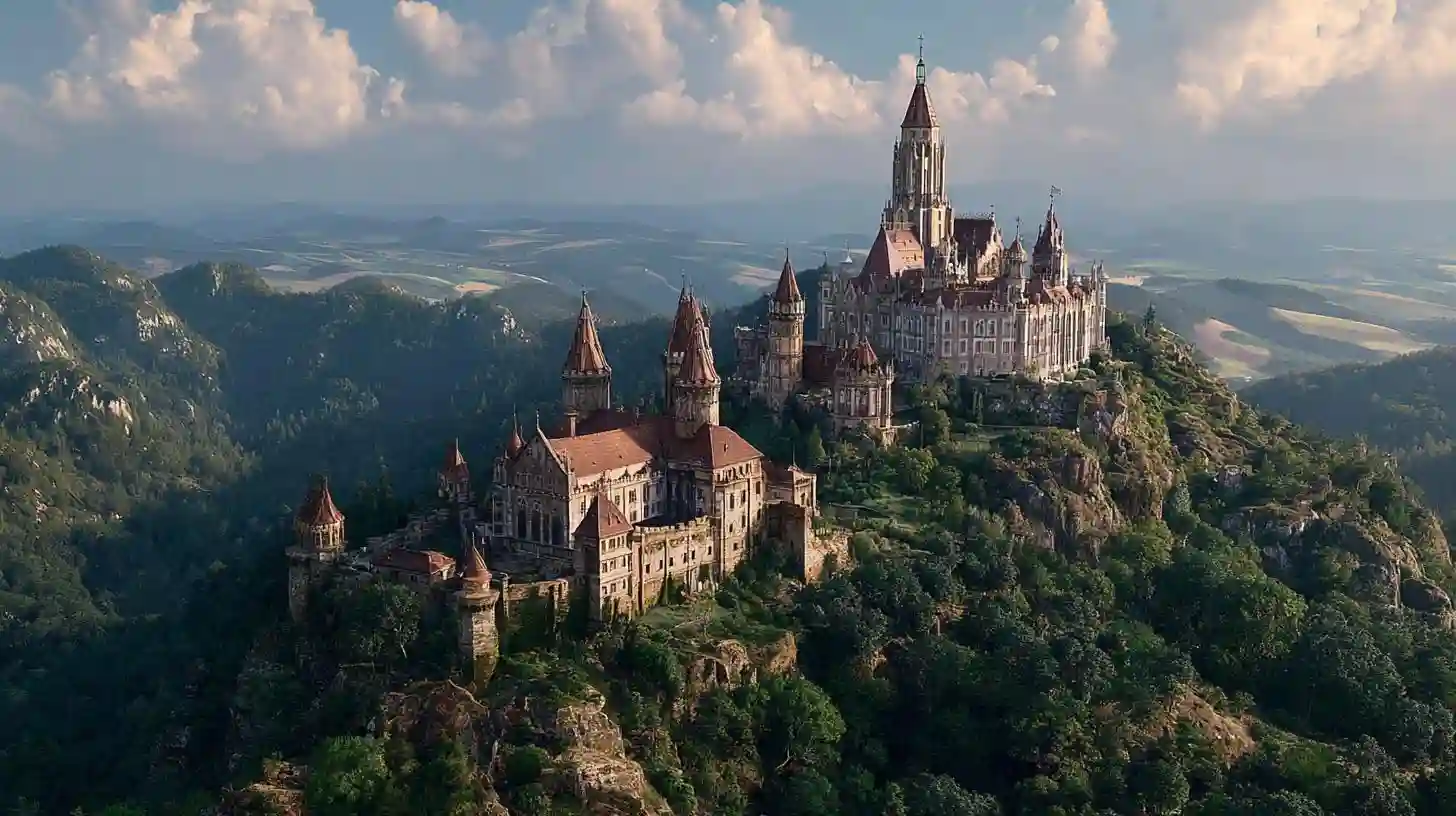
Europe is home to a rich tapestry of castles, each with its own history, charm, and architectural brilliance. These majestic structures are not just stone fortresses but living monuments to the past, showcasing the artistic and architectural grandeur of the regions they inhabit. From the rolling hills of Scotland to the sun-drenched plains of Spain, the castles of Europe reveal the artistic achievements and cultural significance of the centuries in which they were built. The castles tell stories of kings and queens, battles and peace treaties, prosperity and decline. As you travel across Europe, the castles stand like silent sentinels, guarding the land and its history.
One of the most captivating aspects of these castles is their architecture. Built during different periods in history, from the medieval to the Renaissance and Baroque eras, the variety of architectural styles makes them a visual feast. The towering, crenellated walls and defensive battlements of a medieval fortress are designed to withstand sieges, while the grandiose facades and elaborate interiors of Renaissance castles showcase the wealth and power of their royal inhabitants. Each stone, each turret, and each window tells a story of ambition, war, and peace.
The intricate designs of many European castles reveal the artistic tastes of the times. The Gothic style, for example, is known for its pointed arches, ribbed vaults, and flying buttresses, creating an otherworldly sense of height and lightness. The interiors of these castles often feature delicate stained-glass windows that bathe the halls in colorful light, while intricate stone carvings and woodwork tell stories from ancient legends and religious texts. In contrast, the Baroque style, with its emphasis on drama, grandeur, and ornamentation, is evident in the more opulent castles. They boast expansive gardens, gilded furniture, and sweeping staircases that are as much works of art as the buildings themselves.
Among the most stunning castles in Europe is the Neuschwanstein Castle in Germany. This fairy-tale structure, perched on a mountaintop, seems almost otherworldly with its turrets and spires reaching toward the sky. Built in the nineteenth century by King Ludwig II of Bavaria, the castle is a dreamlike blend of medieval architecture and romanticism. Its interior is equally enchanting, with murals depicting Wagnerian operas and a throne room that makes one feel as though they’ve stepped into the pages of a fantasy novel.
In France, the Château de Chambord is another example of architectural magnificence. Built in the Loire Valley during the Renaissance, it is a masterful blend of French medieval forms and classical Renaissance structures. The château’s most striking feature is its roof, which is covered in a labyrinth of turrets, spires, and chimneys, creating a skyline that is both intricate and captivating. Inside, the château is just as impressive, with spacious rooms, expansive staircases, and richly decorated halls that reflect the wealth and sophistication of the French monarchy.
Not all of Europe’s castles are as grand as those in France or Germany, yet many have their own unique allure. The castles of Scotland, for example, may seem more austere, but they possess a certain rugged beauty that fits perfectly within the wild landscapes of the Highlands. Edinburgh Castle, sitting atop a volcanic rock, is a symbol of Scotland’s enduring strength and history. The castle’s medieval design, combined with its strategic location, makes it a formidable fortress. Inside, you can explore centuries of history, including the Scottish Crown Jewels and the Stone of Destiny, which has been used in the coronation of Scottish kings for centuries.
In Spain, the Alcázar of Segovia is another architectural marvel. Originally a fortress, it was later transformed into a royal palace. Its unique shape, resembling the bow of a ship, and its impressive towers and battlements make it one of Spain’s most iconic castles. The interior of the Alcázar is a showcase of Mudejar and Gothic influences, with richly decorated rooms and beautiful courtyards. The castle overlooks the town of Segovia and offers a panoramic view of the surrounding countryside.
Throughout Europe, castles were not just the residences of royalty, but also centers of culture, art, and learning. Many of them housed impressive libraries, grand halls for concerts and performances, and exquisite gardens that were designed to rival the best of Europe’s parks. The gardens of Versailles, for example, are a masterpiece of landscape architecture, with perfectly manicured lawns, fountains, and statues that reflect the opulence of the French monarchy.
As you walk through the halls of these castles, you cannot help but feel the weight of history. These architectural masterpieces are not just relics of a bygone era but are living symbols of the creativity, innovation, and artistry that defined the best of European civilization. Whether you are wandering through the grand halls of Versailles or standing at the foot of the towering walls of Edinburgh Castle, the experience is the same—an overwhelming sense of awe and admiration for the ingenuity of those who built them. Each castle is a testament to the enduring legacy of Europe’s past and a reminder of the incredible artistry and craftsmanship that has shaped the continent for centuries.