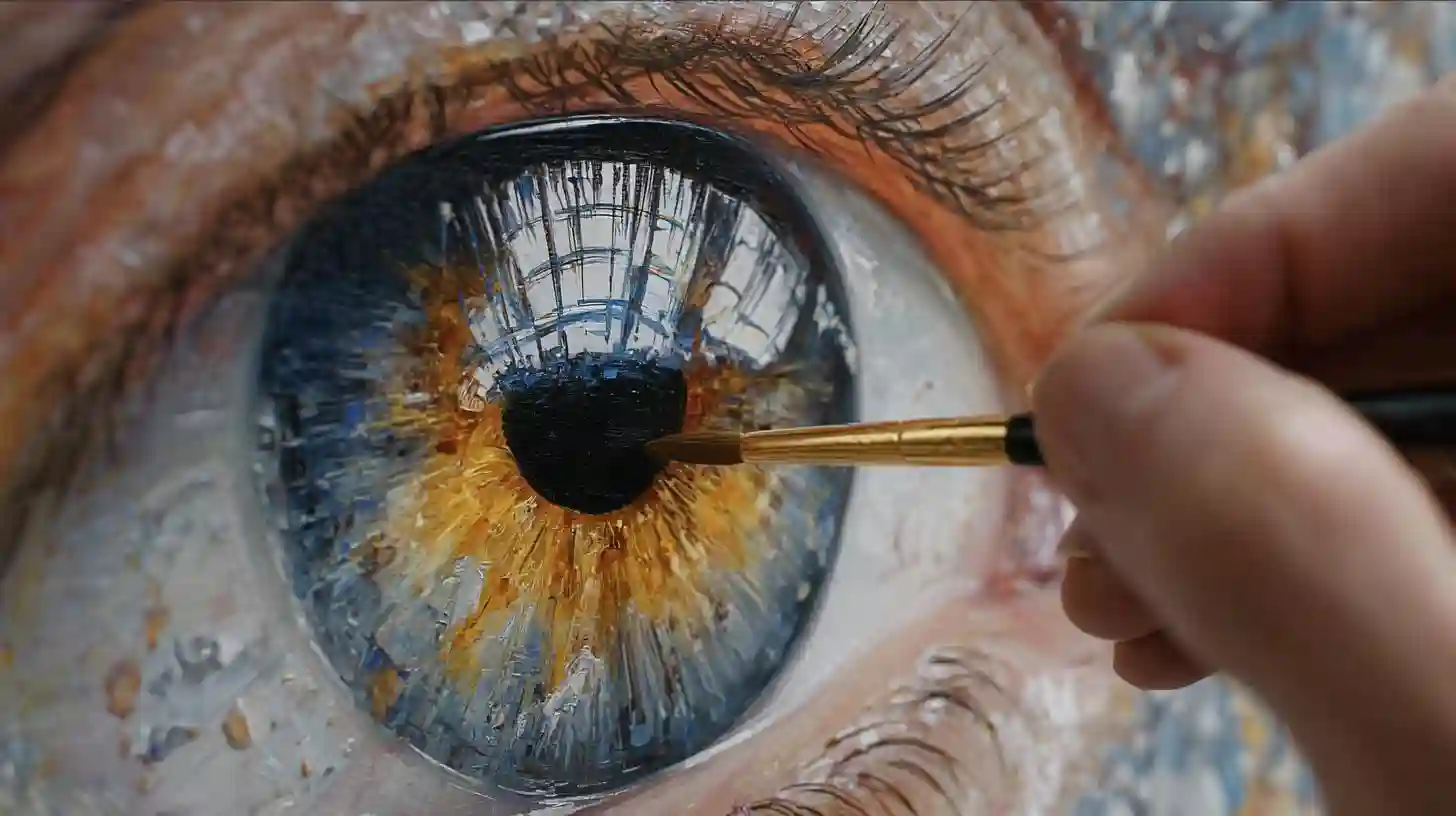
Creating a mural can be an exciting and fulfilling project. Whether you are transforming an entire wall or adding intricate details to a space, the process of painting a mural requires a blend of creativity, patience, and technical skills. To paint a stunning mural, it’s crucial to approach it step by step. From selecting your materials to executing your design, every choice can have a significant impact on the final outcome.
The first step in creating a mural is choosing a space. Consider the size and shape of the wall, the surrounding environment, and how the mural will fit into the overall aesthetic of the area. If the wall has a lot of texture or imperfections, you may want to smooth it out first, as uneven surfaces can affect how the paint adheres and how the mural looks in the end. Once you’ve selected your location, it’s time to prepare the surface. This involves cleaning the wall thoroughly, removing any dust, grime, or old paint that could interfere with the new mural. After cleaning, you may need to apply a primer to ensure that the paint adheres properly.
Before you start painting, it’s essential to plan your design. Some artists prefer to sketch their ideas on paper first, while others like to directly draw on the wall. Either method works, but it’s vital to have a clear vision of what you want to achieve. You can use grid techniques to transfer smaller sketches onto larger surfaces, or you can freehand your design if you're confident in your drawing skills. If you're working with intricate details or large scale designs, projection can be a helpful technique. This involves projecting an image onto the wall, which you can then trace.
Once your design is ready, the next step is selecting your materials. Paint choice is critical when it comes to murals, as different types of paints can behave differently on various surfaces. Acrylic paints are a popular choice due to their versatility, ease of use, and durability. They dry quickly and are available in a wide range of colors, making them ideal for both detailed and large-scale work. Some murals may require specialized paints for outdoor use, such as weather-resistant or UV-protectant paints, especially if they will be exposed to the elements. In addition to paints, you will need a variety of brushes in different sizes and shapes to achieve various textures and effects. Larger brushes are useful for filling in big areas, while finer brushes help with details.
When you start painting, it’s important to work in layers. Begin with the background or the largest elements of your design and gradually build up the smaller details. This allows you to refine your work as you go and helps create a sense of depth. Working from the top of the mural downward can prevent smudging, as gravity will pull the paint down. If you're using multiple colors, it's wise to let each layer dry before adding the next. This not only prevents colors from bleeding into each other but also ensures that your paint adheres properly and doesn't peel off when dry.
Throughout the painting process, don’t rush. Take your time to carefully apply each layer, adding details as needed. Mural work often involves fine brushstrokes and subtle changes in tone, so patience is key. If you find yourself making mistakes or if the paint doesn’t come out as expected, don’t be afraid to make corrections. Acrylic paint is forgiving and can be layered over, so you can always go back and fix any errors. If you need to achieve specific textures or effects, you can use sponges, stencils, or even your hands to create different finishes. Experimenting with different tools and techniques can give your mural a unique, artistic flair.
Lighting plays a crucial role when painting a mural, especially if you're working on a large, detailed project. Ensure that the area is well-lit, as this will help you see the colors and details clearly. If you're painting indoors, make use of natural light or a well-positioned lamp. If you’re painting outdoors, consider the time of day to avoid harsh lighting conditions, which could distort your perception of color. Additionally, taking breaks and stepping back from your work periodically will allow you to view the mural from a distance and catch any areas that might need adjustments.
Finally, after completing your mural, it’s important to protect your work. Applying a protective varnish or sealant will help preserve the mural and ensure its longevity, particularly if it’s exposed to outdoor conditions. The varnish can add a glossy or matte finish, depending on the effect you're looking for. Once the mural is sealed, it’s important to let it dry completely before interacting with it. Depending on where the mural is located, you might also want to consider periodic touch-ups to keep it looking fresh and vibrant.