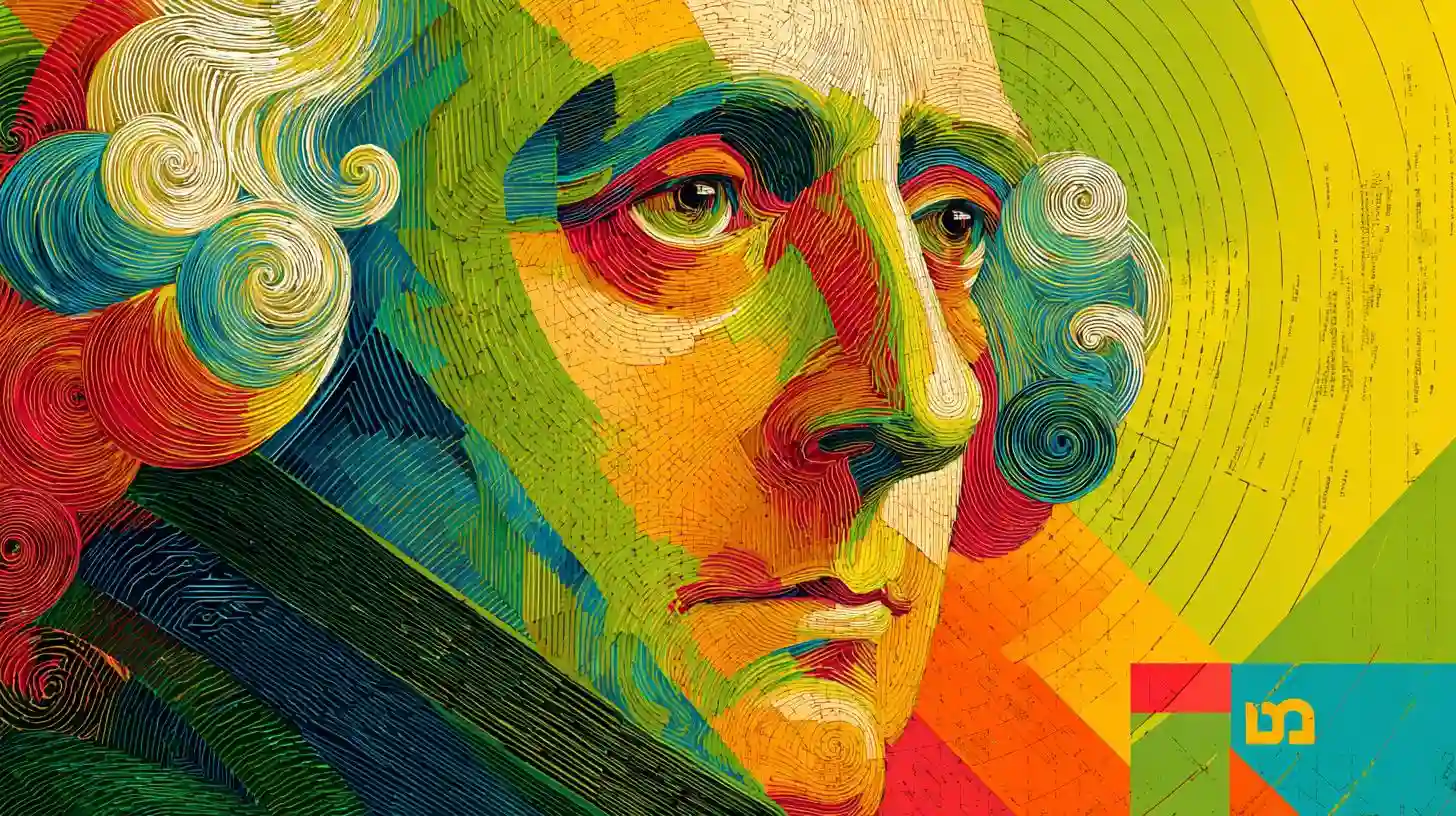
The modern art movement, which emerged at the dawn of the 20th century, brought about a revolution in the way art was viewed and created. This period was marked by a departure from traditional styles and the birth of new artistic expressions that reflected the rapidly changing world. Among the many artists who shaped the landscape of modern art, there are a select few who stand out as true pioneers, whose works continue to influence generations of artists and art lovers alike.
One such figure is Pablo Picasso, whose impact on the art world is immeasurable. His development of Cubism, alongside Georges Braque, broke away from the traditional perspective of painting and opened up new ways of seeing and representing reality. Picasso’s work is marked by constant innovation, from his early Blue and Rose periods to the later complex and fragmented imagery of his Cubist pieces. His ability to reinvent himself throughout his career, constantly exploring new forms and ideas, made him a central figure in the modern art movement.
Another key figure is Henri Matisse, renowned for his use of color and his role in the Fauvist movement. Matisse’s bold, vibrant paintings and his focus on the emotional power of color set him apart from many of his contemporaries. His work was a reaction to the more restrained, academic art that dominated the late 19th century, and he sought to express the joy and vitality of life through his brushstrokes. His cut-out technique, developed in his later years, demonstrated his constant experimentation and willingness to push the boundaries of what art could be.
Marcel Duchamp, an artist known for his avant-garde approach, is another crucial figure in the history of modern art. Duchamp’s work was not only a rejection of traditional art forms but also a challenge to the very definition of what art could be. His concept of the “readymade,” exemplified by works like “Fountain,” a porcelain urinal signed with a pseudonym, questioned the notion of authorship and creativity. Duchamp’s intellectual approach to art, along with his emphasis on the viewer’s interpretation, paved the way for future conceptual artists.
The surrealist movement, which sought to explore the unconscious mind, was largely shaped by Salvador Dalí. Known for his dreamlike imagery and meticulous technique, Dalí’s works often featured bizarre, distorted representations of reality. His paintings, such as “The Persistence of Memory,” with its melting clocks, challenged viewers to question the nature of time and perception. Dalí’s playful yet philosophical approach to art made him one of the most recognized surrealists, and his influence extends beyond the canvas into popular culture.
Frida Kahlo, while often associated with the surrealists, created a deeply personal and emotional body of work that transcended any single movement. Her paintings, often self-portraits, explored themes of pain, identity, and the body. Kahlo’s vivid use of color, symbolism, and Mexican folk art combined to create works that are intensely emotional and deeply rooted in her personal experiences. Her courage in confronting her physical and emotional struggles through art has made her an icon of resilience and self-expression.
Wassily Kandinsky, a Russian painter and theorist, is credited with pioneering abstract art. His work was rooted in his belief that art could evoke emotions through color and form alone, without the need for representation. Kandinsky’s exploration of spirituality and his desire to connect with the deeper dimensions of human experience through abstraction made him one of the most important figures in the development of modern art. His use of color, geometry, and rhythmic composition in works like “Composition VIII” laid the groundwork for future abstract movements.
Jackson Pollock, one of the most famous members of the Abstract Expressionist movement, revolutionized painting with his unique technique of drip painting. Pollock’s works, such as “No. 5, 1948,” are characterized by their chaotic energy, with paint splatters and drips creating intricate webs of color. His approach to painting, which emphasized spontaneity and the physical act of creation, had a profound influence on the development of abstract art in the United States.
The Italian painter and sculptor Giorgio de Chirico was a precursor to the surrealist movement, known for his metaphysical painting style. His eerie, dreamlike cityscapes, with long shadows and enigmatic figures, created a sense of mystery and unease. De Chirico’s work delved into the psychological, exploring themes of isolation, time, and the subconscious, and laid the groundwork for the surrealist exploration of the dream world.
Kazimir Malevich, a Russian artist, is known for founding the Suprematist movement, which emphasized pure abstraction and the supremacy of geometric forms. His most famous work, “Black Square,” broke away from representational art and focused solely on shape and color. Malevich’s exploration of the spiritual and the transcendental in art was groundbreaking, and his work played a major role in the development of non-objective art in the early 20th century.
Finally, the American artist Georgia O’Keeffe, often called the “Mother of American Modernism,” is known for her large-scale, close-up paintings of flowers, bones, and landscapes. O’Keeffe’s works celebrate the beauty of nature and the forms found in the natural world, but her abstracted representations pushed the boundaries of what was considered traditional art. Her innovative use of color and shape, combined with her ability to capture the essence of her subjects, made her one of the most influential artists of her time.
Each of these artists, in their unique ways, contributed to the transformation of the art world. Their willingness to experiment, break conventions, and explore new ways of seeing the world helped shape the course of modern art. The legacy of these pioneers continues to inspire and challenge artists today, reminding us of the power of creativity and the importance of pushing artistic boundaries.