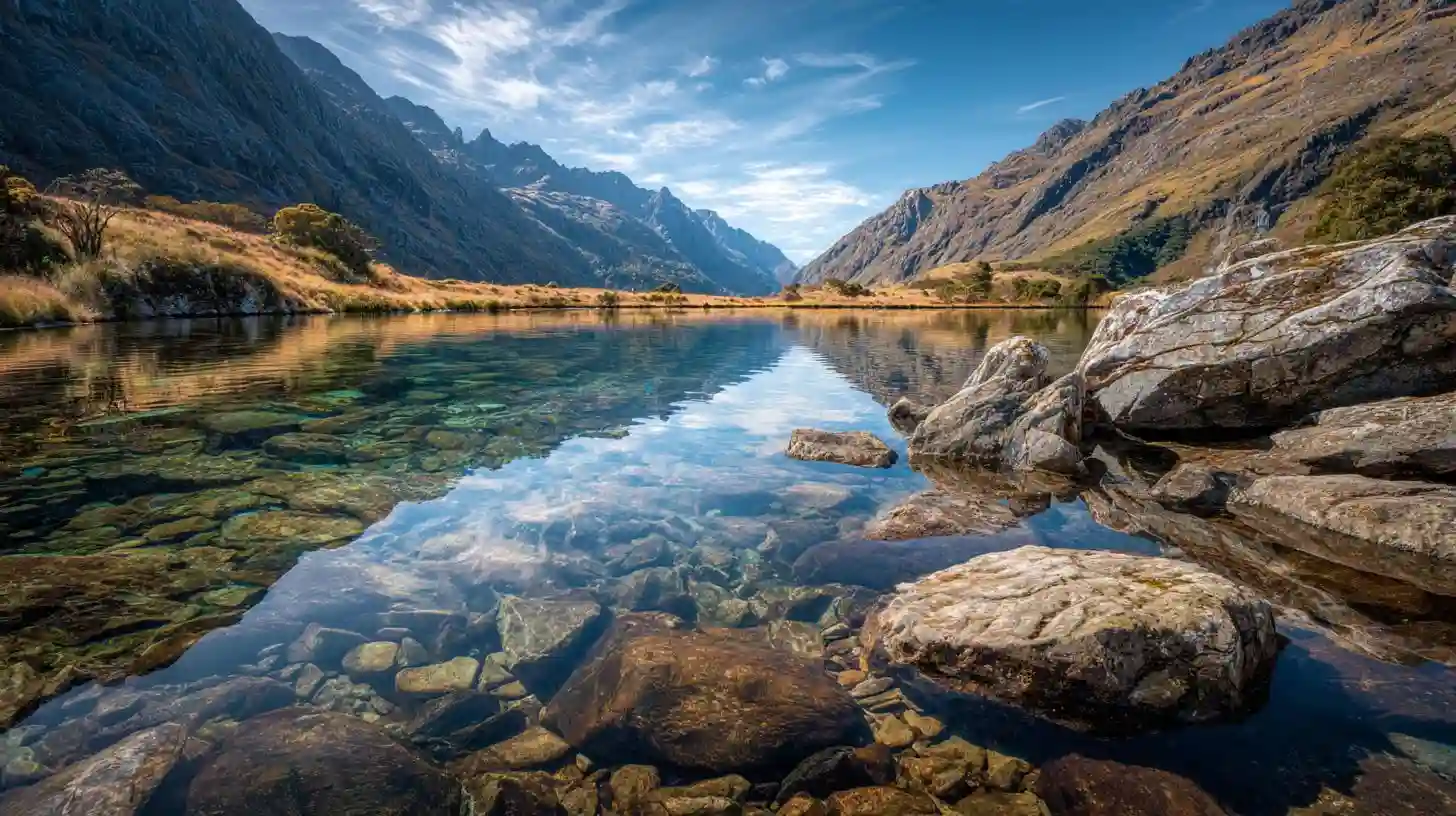
Capturing breathtaking landscape photos requires a combination of technical skill, creativity, and patience. Whether you're shooting majestic mountains, serene lakes, or sweeping desert vistas, the key to getting the perfect shot lies in understanding your environment, your equipment, and the best techniques for bringing your vision to life. To begin, it's essential to focus on the light. The golden hours—just after sunrise and just before sunset—are often considered the best times for landscape photography. During these times, the light is softer and warmer, creating long shadows and highlighting textures in the landscape. The low angle of the sun can also give the scene a sense of depth and dimension that is harder to achieve under harsh midday light.
Another crucial aspect of landscape photography is composition. One of the most widely used compositional techniques is the rule of thirds. By imagining a grid of two vertical and two horizontal lines dividing your frame into nine equal sections, you can place the focal points of your image along these lines or at their intersections. This helps create a balanced and pleasing photograph. However, don't feel confined by the rule of thirds—sometimes breaking it can lead to a more dynamic and interesting composition. Leading lines are another powerful tool in landscape photography. Roads, rivers, and even the curves of a hill can draw the viewer’s eye through the image, helping guide them into the scene. Experimenting with perspective, such as shooting from a high vantage point or getting low to the ground, can also add a fresh dimension to your photos.
The foreground plays a significant role in creating a sense of depth. Including elements in the foreground not only anchors the image but also leads the viewer's eye into the scene. This can be anything from a rock, a tree, or even a patch of grass. When shooting vast landscapes, it’s easy to overlook the importance of these small elements, but they can make a world of difference in how the image feels. Depth of field is another critical factor to consider. In landscape photography, a wide depth of field ensures that the entire scene, from the foreground to the background, remains sharp. This can be achieved by using a smaller aperture, typically between f/8 and f/16. Keep in mind, however, that using an aperture that’s too small can cause diffraction, which reduces image sharpness, so it's always a good idea to experiment with different settings to find the sweet spot for your lens.
A tripod is one of the most important pieces of equipment for landscape photography. A steady tripod ensures that your camera stays perfectly still, preventing any motion blur, especially in long exposure shots. This is especially useful when shooting in low light conditions or when you want to capture the movement of elements like water or clouds. Speaking of long exposures, incorporating them into your landscape shots can create a sense of motion and drama. For example, photographing a waterfall with a long exposure can make the water appear silky smooth, while capturing cloud movement can lend a sense of motion to a static scene. Using a neutral density filter allows you to achieve longer exposures in bright conditions by reducing the amount of light entering the lens.
Post-processing is an essential part of modern landscape photography. While it's important to get the shot right in-camera, editing can enhance colors, contrast, and details to make the image even more captivating. Software like Adobe Lightroom or Photoshop allows you to adjust the exposure, highlights, shadows, and saturation, giving you more control over the final image. Additionally, adjusting the white balance can correct color casts, especially in early morning or evening light. A common technique in landscape editing is the use of graduated filters, which help balance the exposure between the bright sky and darker foreground. This can help bring out details in both areas without overexposing the highlights.
Weather and seasons can have a dramatic effect on the mood and feel of your landscape photographs. A misty morning can give a sense of mystery and moodiness, while a clear, blue sky might evoke feelings of openness and peace. Similarly, shooting the same landscape at different times of the year can provide an entirely new perspective. A snow-covered mountain in winter looks vastly different from the same mountain in the fall, with golden leaves surrounding it. Understanding your environment and the way weather and light conditions change throughout the day and year can give you the edge in capturing unique and stunning images.
Finally, patience and persistence are essential qualities in landscape photography. Nature is constantly changing, and it’s not always easy to predict how a scene will unfold. Sometimes, you may need to wait for the perfect light, a passing cloud, or a change in the weather to capture that once-in-a-lifetime shot. It's also crucial to be prepared for challenges such as adverse weather conditions or difficult terrain. Having the right gear, like weather-sealed cameras or waterproof clothing, can help you stay comfortable and focused on the task at hand.
The journey to capturing stunning landscape photos is one of exploration, creativity, and learning. By understanding the technical aspects of your camera, mastering compositional techniques, and being mindful of the ever-changing natural world, you can elevate your landscape photography to new heights.