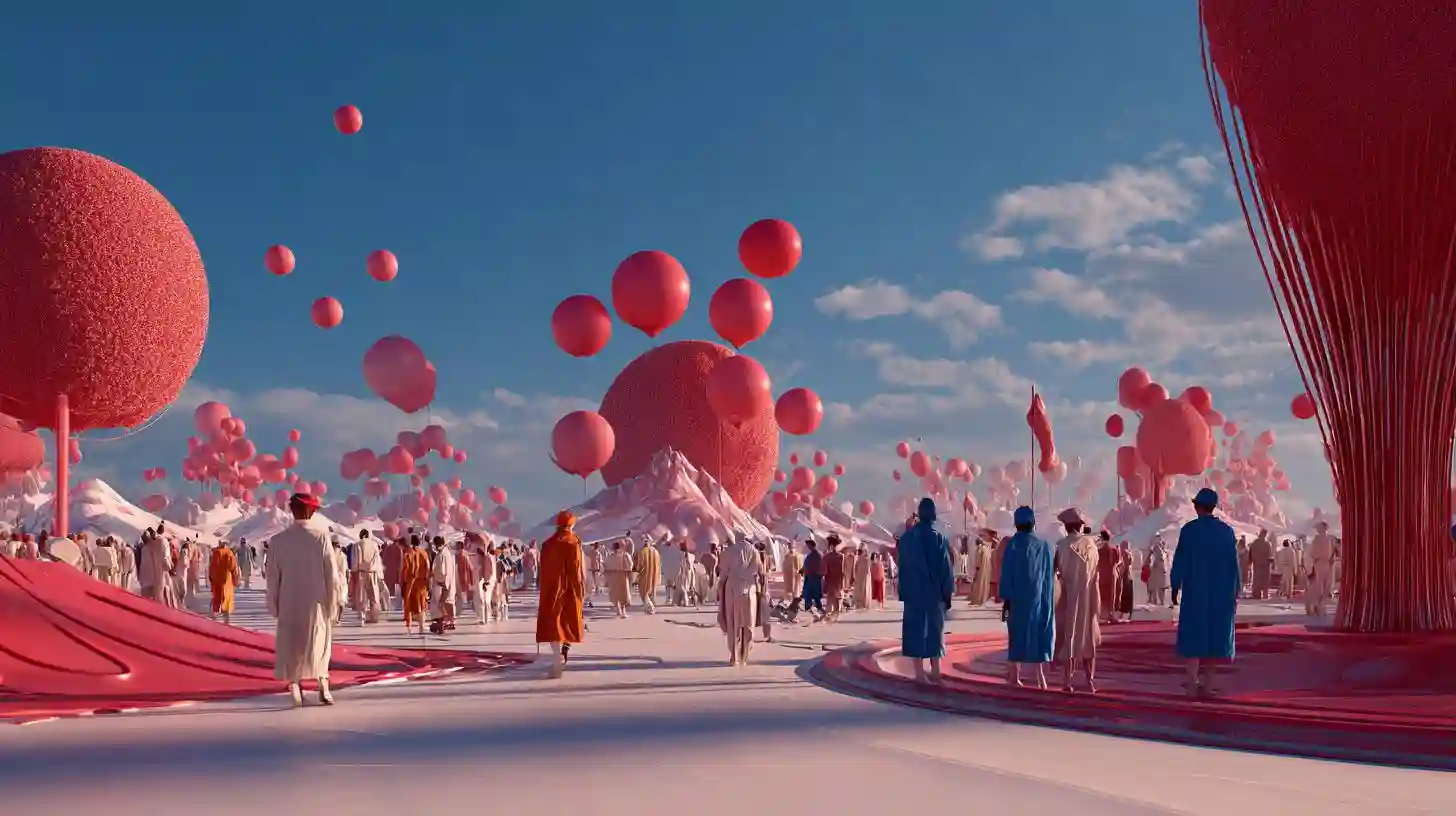
Visual arts encompass a broad range of creative expressions that engage the eyes, evoke emotions, and stir the imagination. Artists around the world have developed countless styles and techniques over centuries, each reflecting cultural, social, and technological changes of their time. Exploring these diverse styles can be an enriching journey into the creative minds of humanity, offering both aesthetic pleasure and deep insights into the evolution of art.
One of the most prominent forms of visual art is painting. From ancient cave paintings to contemporary masterpieces, painting has allowed artists to capture the world around them, express emotions, or explore abstract ideas. The styles within painting are incredibly varied, ranging from the realistic depictions found in Renaissance works to the abstract and conceptual art movements that followed. Realism, for example, emerged in the 19th century as a reaction against the idealized forms of earlier periods. Artists like Gustave Courbet and Jean-François Millet focused on portraying everyday life, emphasizing the dignity of ordinary people and the beauty of nature. On the other hand, the abstract expressionism of the 20th century, with pioneers such as Jackson Pollock and Mark Rothko, sought to break free from traditional representation and instead emphasized emotion and the act of creation itself.
Sculpture, another essential branch of visual arts, involves creating three-dimensional works of art. Throughout history, sculpture has been used to honor gods, commemorate historical figures, or simply explore the human form. The classical sculptures of ancient Greece and Rome, such as the famous marble statues of the Greek gods, displayed a focus on idealized human proportions and anatomical precision. The Renaissance brought a revival of these classical ideals, with artists like Michelangelo producing works like "David," which combined realistic anatomy with an emotional depth that was groundbreaking at the time. In contrast, modern sculpture has embraced more experimental forms, with artists like Pablo Picasso and Henry Moore reshaping the very concept of sculpture by incorporating abstract and geometric elements.
Another fascinating aspect of visual arts is the world of photography. As a relatively young medium compared to painting and sculpture, photography has quickly established itself as an indispensable form of artistic expression. Since its invention in the early 19th century, photography has evolved from simple black-and-white portraits to digital works of art that manipulate images in endless ways. Early photographers, like Ansel Adams, were known for their stunning landscapes, capturing the majestic beauty of nature with incredible detail. In more contemporary times, photographers like Cindy Sherman and Jeff Wall have pushed the boundaries of photography, creating images that question identity, social norms, and the nature of art itself. With the rise of social media, photography has become more accessible, allowing anyone with a smartphone to capture and share their artistic vision with the world.
Printmaking is yet another art form that spans centuries of innovation and creativity. Early printmakers used woodblocks and metal plates to reproduce images, making it possible to mass-produce images for books, newspapers, and other forms of communication. This process allowed for the spread of artistic ideas and played a key role in the democratization of art. The works of artists such as Albrecht Dürer, known for his intricate woodcuts, and Rembrandt, who created stunning etchings, helped to elevate printmaking as a respected art form. In the modern era, printmaking has taken on new forms, such as screen printing, which was popularized by artists like Andy Warhol. Warhol’s iconic Campbell's Soup Cans and portraits of celebrities revolutionized the relationship between mass production and fine art.
In addition to these traditional forms, digital art has emerged as a significant and rapidly growing field. With the advent of computers and digital technology, artists now have access to an entirely new set of tools and techniques. Digital art can range from digital painting and photo manipulation to 3D modeling and virtual reality experiences. This new frontier in visual arts allows for endless possibilities, often blurring the lines between different mediums. For instance, digital illustrations can mimic traditional painting techniques, while 3D art can create immersive worlds that viewers can explore in real-time. The fusion of art and technology has led to exciting developments in fields like game design and animation, where visual arts are used to create entire interactive worlds, characters, and narratives.
Street art, once considered a rebellious and underground movement, has gained significant recognition in the contemporary art world. Artists like Banksy have used public spaces as their canvas, creating powerful social and political messages through their works. Street art can take many forms, from graffiti and murals to stencils and sculptures. This form of art often reflects urban culture and provides commentary on issues such as inequality, environmental degradation, and government control. While it has sometimes been controversial due to its placement in public spaces without permission, street art’s rise in popularity and acceptance by galleries and museums speaks to the changing perception of what constitutes art.
A fascinating fun fact about visual arts is the way some art movements can influence not just other artists, but entire cultures. The Impressionist movement, for example, which emerged in the late 19th century, revolutionized how light, color, and everyday scenes were depicted. Artists like Claude Monet, Edgar Degas, and Pierre-Auguste Renoir broke free from the constraints of academic painting, focusing instead on capturing fleeting moments and the nuances of natural light. This shift influenced not only painting but also photography, cinema, and even the design of architecture in the early 20th century.
The world of visual arts is vast, with each style offering its own unique lens through which we can explore the world around us. Whether through the brushstrokes of a painting, the chisel of a sculptor, the lens of a camera, or the pixels of a digital masterpiece, art allows us to communicate, express ourselves, and challenge the status quo. It is a form of storytelling that transcends language, culture, and time, making it one of humanity's most enduring and powerful forms of expression.