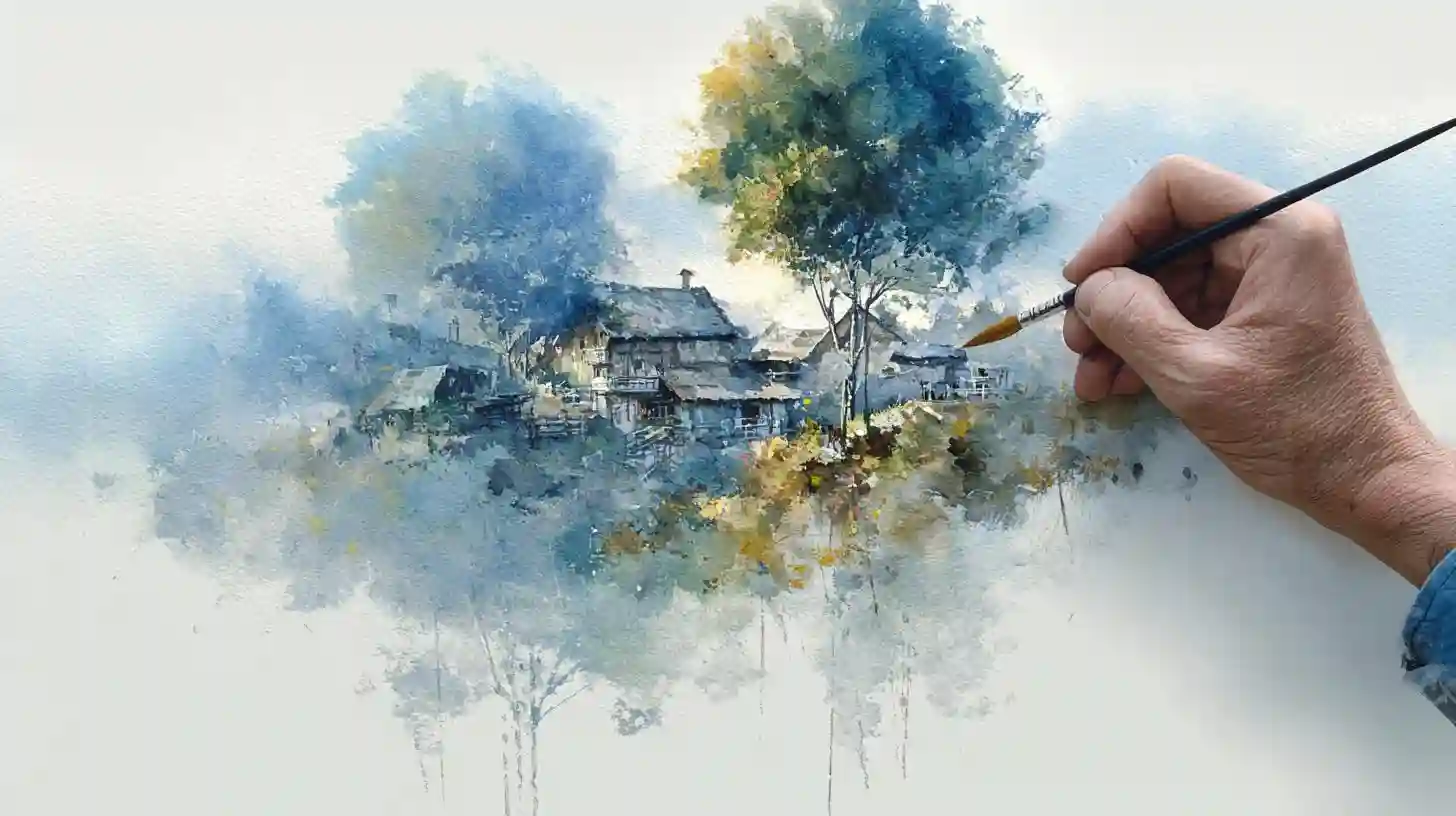
Watercolor painting is a beautiful and versatile medium that has been admired for centuries. Its fluid nature and transparent qualities make it unique among other forms of painting. If you are just starting to explore watercolor painting or seeking to improve your skills, learning the essential techniques from seasoned experts can significantly enhance your approach. The fluidity and spontaneity of watercolor can be challenging, but once you understand the fundamentals, you can create stunning, expressive works of art.
One of the first techniques that artists often emphasize is mastering the use of water. Watercolor is distinct from other paint types because of the relationship between pigment and water. When the right balance is struck, water can create a glowing transparency, but too much can make colors appear diluted and weak. Understanding how much water to use with pigment is key. A slightly drier brush creates a more controlled and defined stroke, while more water adds flow and softness to your washes. It's important to practice how different water-to-pigment ratios affect the results.
Another critical technique in watercolor painting is controlling the washes. A wash is a layer of color applied over a large area, usually with a wet brush. There are two primary types: flat washes and graded washes. A flat wash is achieved when the same color is applied evenly across the paper. It is the perfect technique for creating smooth, uniform backgrounds or skies. A graded wash involves slowly adding more water to the pigment as you work your way down the paper, transitioning from dark to light. Mastering the graded wash allows you to create depth and dimension in your paintings, especially in landscapes or portraits.
The technique of wet-on-wet is often used for creating soft, blended effects. In wet-on-wet, the artist applies wet paint onto wet paper. This method allows the colors to mix and merge in a natural, unpredictable way. The beauty of this technique lies in its organic and fluid appearance, which can be ideal for painting things like clouds, mist, or gentle gradients. However, it requires a level of patience and practice, as it is difficult to control how the pigments spread on wet surfaces.
On the opposite side, wet-on-dry is another essential technique that is often employed when more detail and precision are needed. This technique involves painting wet pigment onto dry paper. Wet-on-dry allows the artist to retain sharp edges and more defined shapes, which is particularly useful for elements like flowers, buildings, or figures. It gives the artist the ability to layer paints more easily, creating rich textures and intricate details without blending.
Texture in watercolor painting can be enhanced by a variety of other techniques. For example, using salt on wet paint can create interesting, unpredictable textures. When salt is sprinkled onto the wet surface, it absorbs some of the paint, creating a unique speckled or granulated effect. Similarly, masking fluid can be used to preserve white areas in a painting. By applying a liquid mask to areas you want to remain white or untouched by paint, you can paint around it, allowing you to preserve the highlights in your work. Once the painting is complete and dry, the mask can be peeled off, revealing the untouched paper underneath.
Another valuable skill to learn is how to build layers. Watercolor paintings often rely on multiple layers of paint to achieve depth and richness in color. The key to successful layering is allowing each layer to dry fully before applying the next. This method prevents the colors from becoming muddy or too blended. A gradual build-up of layers, from light to dark, creates a luminous effect that is a hallmark of watercolor.
Shading and light control are also essential aspects of watercolor. Since watercolor paints are transparent, the paper’s white surface can shine through and create natural highlights. By manipulating the amount of water and pigment, you can control the light and shadow in your painting. This requires a good understanding of how light interacts with your subject matter. Shadows are typically painted with more concentrated pigment, while highlights are preserved by careful management of the water or masking techniques.
Composition is equally important in watercolor painting, as in any other form of art. A well-composed piece draws the viewer’s eye to the focal points and creates a sense of balance and harmony. It is important to plan out the layout of the painting before starting. Consider where the main subject will be placed, the flow of the composition, and how the colors and tones will guide the viewer’s gaze. While spontaneity is a hallmark of watercolor, thoughtful composition ensures that the painting has structure and coherence.
Finally, one of the best ways to learn watercolor techniques is by experimenting and making mistakes. Watercolor is a medium that often surprises artists, and some of the best results come from embracing the unpredictable nature of the paint. By experimenting with different papers, brushes, and techniques, you can discover what works best for your style and subject matter. There is no one "right" way to paint with watercolor, but the more you practice, the more you'll refine your skills and develop your unique approach to this expressive medium.