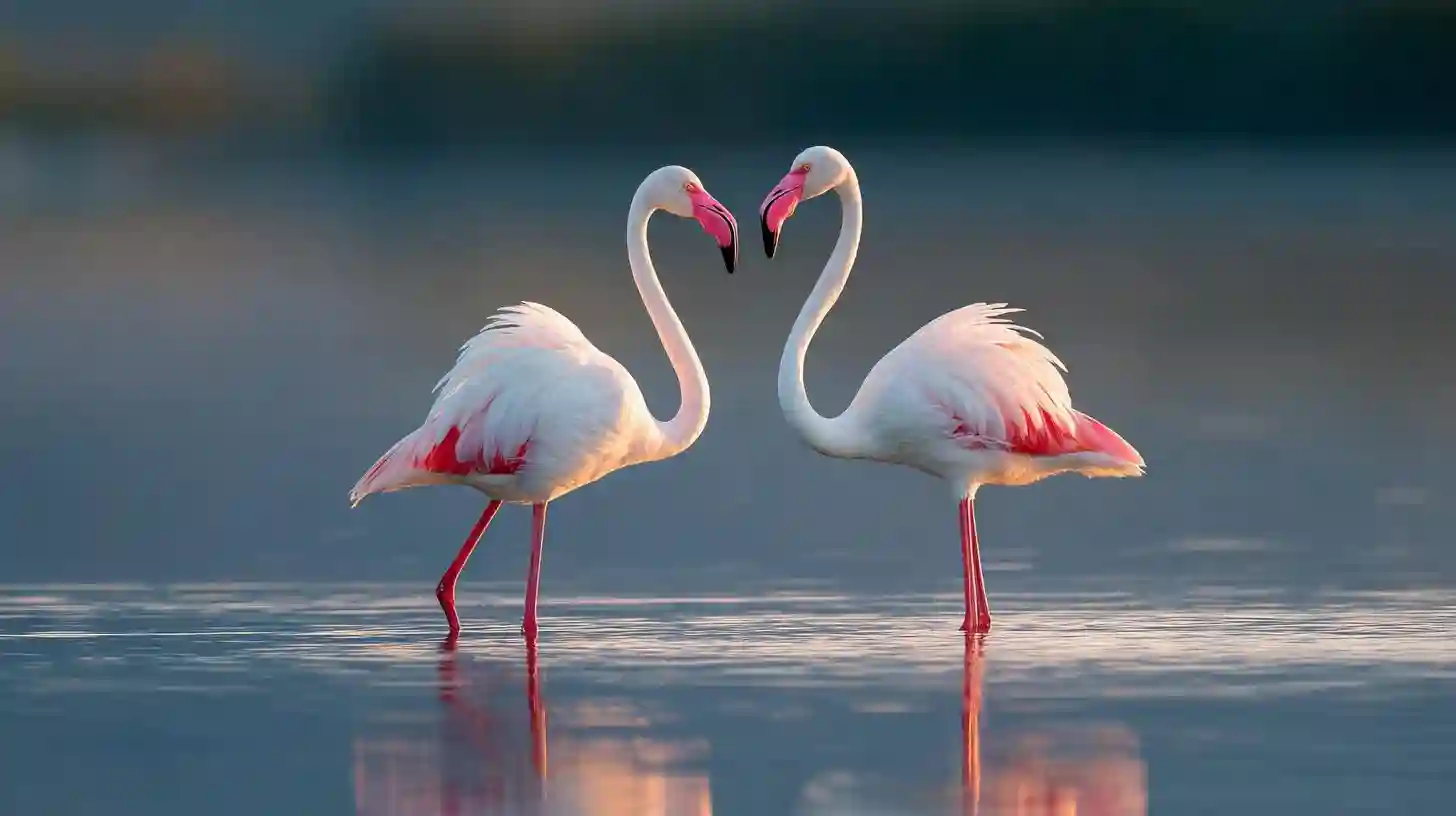
Flamingos have long been regarded as symbols of beauty, grace, and love. Their striking pink plumage, elegant posture, and synchronized movements in large flocks make them stand out among the animal kingdom. Yet, it is not just their physical appearance that has earned them a place in romantic symbolism. The behaviors and rituals exhibited by flamingos during their mating season have captivated human imagination for centuries, leading many to associate these birds with love and romance.
Flamingos are highly social creatures that live in large colonies, often consisting of hundreds or even thousands of individuals. In these colonies, the bonds between mates are strengthened through elaborate courtship displays that are as much about teamwork as they are about individual attraction. What makes these displays particularly significant in the context of love is the synchronization of movements between potential mates. Flamingos engage in coordinated dances that involve a series of graceful head turns, synchronized stomping, and neck stretching. These synchronized movements create a beautiful, fluid expression of unity and connection, which is often seen as a reflection of the harmony between lovers.
One of the most iconic aspects of flamingo courtship is the way in which they form pair bonds. The process is an intricate dance of mutual attraction and cooperation. Male flamingos perform elaborate displays to attract females, showing off their vibrant colors and performing rhythmic movements. The males also engage in mutual preening, which further strengthens the bond between them and their potential mate. This behavior is symbolic of the nurturing side of love, where care and attention to detail are essential for forming a strong connection. The act of preening serves not only as a sign of affection but also as a way to build trust and intimacy.
Flamingos are also known for their monogamous relationships, which is another reason why they are often seen as symbols of love. Once a pair has bonded, they typically stay together for an extended period, sometimes for life. The commitment between flamingo pairs goes beyond mere physical attraction, as they work together to build nests, care for their eggs, and raise their young. This long-term partnership reflects the enduring nature of love, where loyalty, cooperation, and mutual respect are key components of a lasting bond.
In addition to their physical rituals, flamingos have a deep connection to the natural world, which is another reason they are linked to the idea of love. These birds thrive in environments that are tranquil, serene, and beautiful—such as salt flats, lagoons, and coastal wetlands. The habitats they occupy are often seen as idyllic settings, evoking a sense of peace and harmony. This connection to nature adds to the symbolism of flamingos as representations of pure and natural love, untainted by the complexities of human life. The flamingo's graceful and elegant presence in these serene landscapes serves as a reminder of the beauty and simplicity that can be found in true love.
Flamingos also have a deep cultural significance in various societies, often being associated with romantic themes. In many ancient civilizations, flamingos were considered symbols of beauty and love. In Egyptian mythology, for example, the flamingo was linked to the goddess of love and fertility, Hathor. The bird's graceful movements and its ability to form strong, lasting pair bonds made it an ideal representation of love in its most idealized form. Even in modern times, flamingos continue to be used in art, literature, and popular culture as symbols of love, romance, and beauty.
Moreover, flamingos' vibrant pink color, which is a result of the carotenoid pigments in their diet, adds to their allure as symbols of passion and romantic desire. The rich pink hue of their feathers is often associated with the warmth and intensity of love, making them even more fitting as icons of affection. This color, which is not naturally occurring in most birds, gives flamingos a unique and captivating appearance that further elevates their symbolic status.
The symbolic role of flamingos in love and romance is not limited to their behaviors, colors, or cultural significance. It is also rooted in their ability to evoke feelings of tenderness, connection, and beauty. Their ability to form strong, lasting relationships, their graceful and synchronized movements, and their vibrant colors make them the perfect representation of the idealized aspects of love. As creatures that embody the harmony and joy of companionship, flamingos have rightfully earned their place as icons of love and romance in the natural world.