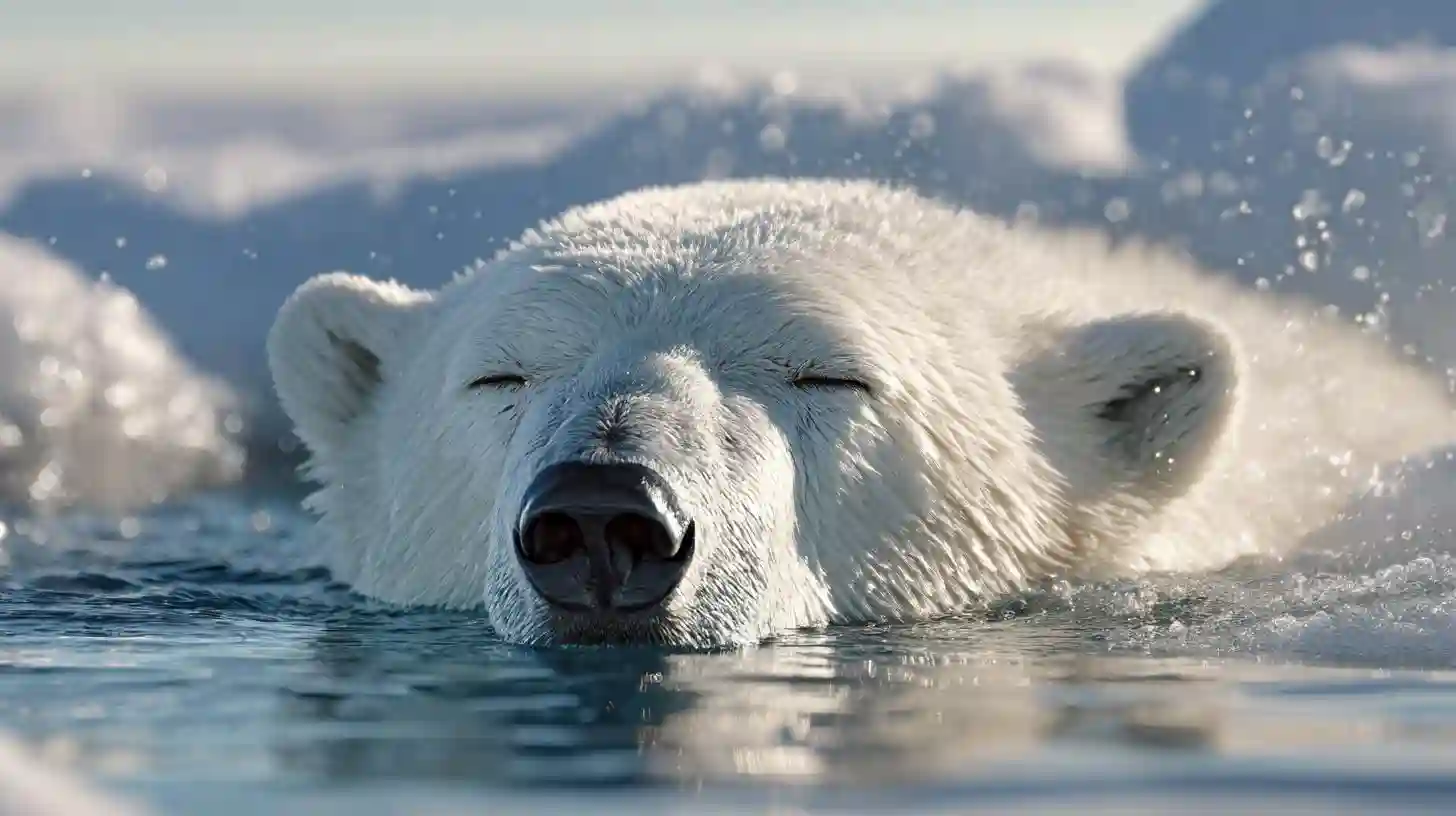
Polar bears are among the most iconic creatures of the Arctic, known for their vast, snowy habitats and remarkable adaptations to the harsh environment. They have evolved to thrive in some of the most extreme conditions on Earth, primarily living within the Arctic Circle where the temperatures can drop to dangerous lows. Their white fur, thick blubber, and large paws all serve as crucial survival tools, enabling them to live in this unforgiving world. These bears are not just predators at the top of the Arctic food chain; they play an essential role in maintaining the balance of the region's ecosystem.
One of the most striking features of polar bears is their specialized adaptations to cold climates. Their fur, which appears white, is actually translucent, and it reflects light, making them blend seamlessly into their snowy surroundings. Underneath this fur, they have a layer of thick fat that provides insulation against freezing temperatures. This fat, which can be up to four inches thick, is also a key energy source during the long months of the Arctic winter when food is scarce. Additionally, polar bears have large paws that help distribute their weight evenly across the ice, preventing them from sinking into the snow. Their paws also feature fur on the soles, providing traction on the slippery ice, and they possess sharp claws to grasp onto the ice and prey.
Polar bears are primarily carnivorous, and their diet mainly consists of seals, particularly ringed seals and bearded seals. They are excellent hunters, relying on their keen sense of smell to detect prey, sometimes from miles away. Polar bears hunt on the sea ice, often waiting by breathing holes in the ice for seals to surface for air. Their hunting methods, however, are becoming increasingly difficult as climate change causes the Arctic sea ice to melt at an alarming rate. As the ice recedes, polar bears are forced to travel greater distances in search of food, which not only depletes their energy reserves but also reduces their ability to find sufficient prey.
The melting of sea ice also has broader implications for the entire Arctic ecosystem. As top predators, polar bears help regulate the populations of seals and other marine mammals, ensuring that the ecosystem remains balanced. If polar bear numbers were to decline significantly, it could result in overpopulation of certain species, which would then disrupt the food web and harm other animals dependent on these resources. In essence, polar bears are a keystone species, meaning their presence and health are indicators of the overall well-being of the Arctic environment.
In addition to their role as apex predators, polar bears have cultural significance for many indigenous peoples of the Arctic. For thousands of years, these communities have coexisted with polar bears, respecting their strength and their place in the natural world. Many Arctic cultures have stories, myths, and rituals surrounding polar bears, seeing them as symbols of power, endurance, and survival. These cultural connections highlight the deep bond between humans and the natural world, especially in regions where survival often depends on understanding and respecting the animals that share the land.
However, despite their remarkable adaptations, polar bears are facing increasing threats due to climate change. The loss of sea ice is perhaps the most significant challenge they face, as it is the platform they use to hunt, breed, and travel. Without the ice, polar bears are forced to move closer to shore, where food is scarcer, and they may encounter more human populations. This brings about potential conflicts and increases the risk of starvation. As the ice melts, the summer months become particularly difficult for polar bears as they are left stranded on smaller and more fragmented ice floes, making it harder for them to find food and stay safe.
Conservation efforts to protect polar bears are critical, but they face many challenges. International agreements such as the Agreement on the Conservation of Polar Bears aim to safeguard these animals, but their success is directly tied to efforts to mitigate climate change. Reducing greenhouse gas emissions is the most effective way to slow the loss of sea ice and preserve the Arctic ecosystem. However, even with these efforts, the future of polar bears remains uncertain, and the need for increased awareness and action has never been more urgent.
Polar bears are not only a symbol of the wild Arctic but also an indicator of the health of our planet. Their fate is intricately linked to the changes happening in the environment, and if we fail to address the challenges they face, we risk losing a species that plays an irreplaceable role in the ecosystem. The preservation of polar bears is not just about saving one species; it is about protecting an entire ecosystem that is inextricably linked to the well-being of the planet itself.