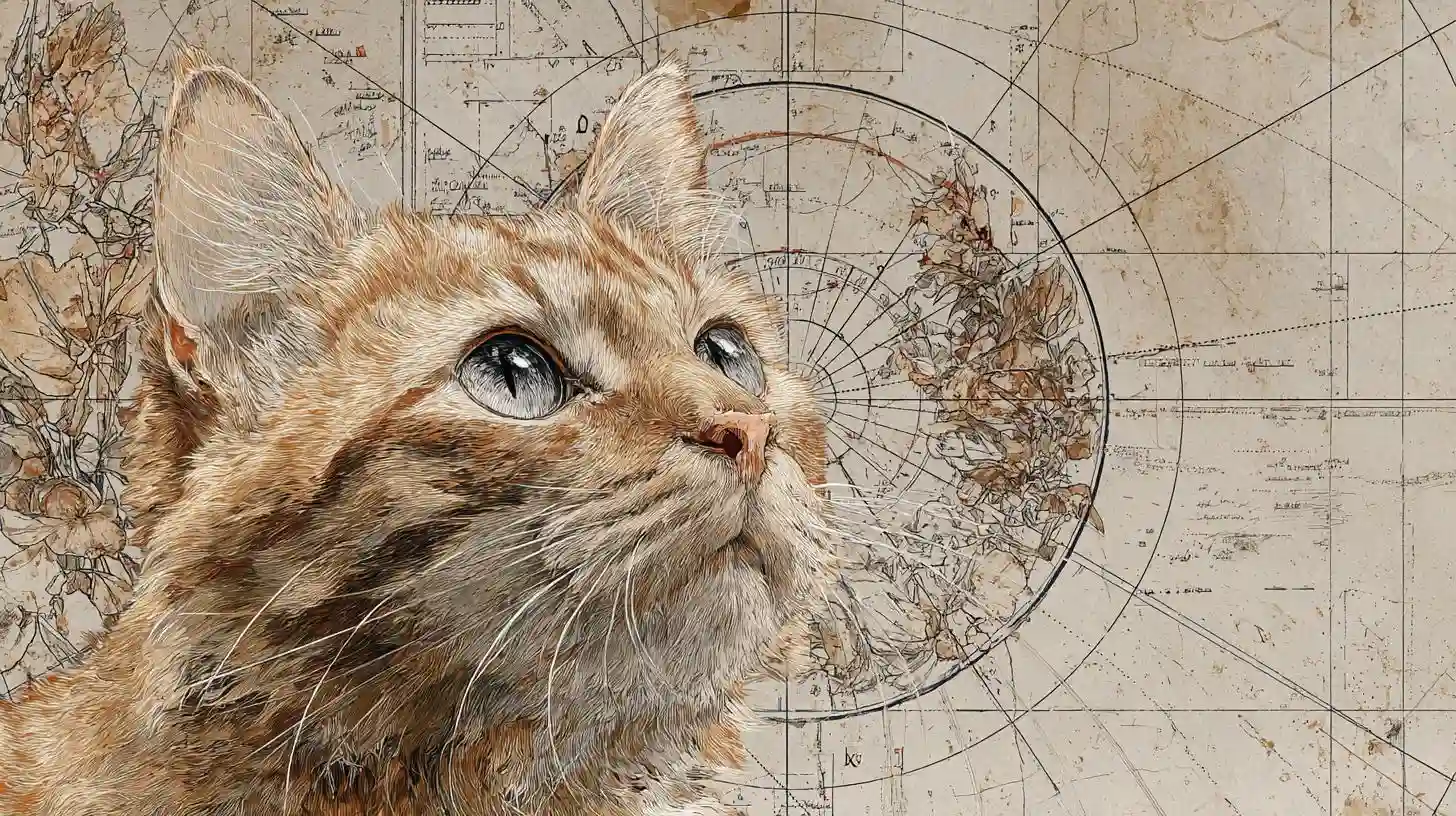
Cats have long held a special place in the world of art, a presence that stretches back to ancient civilizations and continues to inspire modern artists today. From the earliest cave paintings to contemporary masterpieces, the depiction of cats in art reflects not only the cultural and symbolic importance of these animals but also the evolving relationship between humans and the feline world. Ancient Egyptian art, for instance, is renowned for its reverence toward cats. Cats were sacred to the goddess Bastet, who symbolized home, fertility, and protection. Egyptian tombs often featured paintings of cats lying gracefully beside their owners, a representation of the feline’s role as both a spiritual protector and a cherished companion. The Egyptians’ love and respect for cats were so profound that they went so far as to mummify them, ensuring that these animals would accompany their owners into the afterlife. The presence of cats in Egyptian art speaks to a deep reverence that influenced the entire region and set the stage for how cats would be viewed in artistic traditions for centuries to come. Moving from ancient Egypt to Greece and Rome, the depiction of cats became less overtly religious but still carried significant cultural weight. Roman mosaics and frescoes occasionally featured cats in domestic scenes, emphasizing their role as companions to human life. While these depictions were less focused on spirituality, they still hinted at the value placed on cats in daily life. Cats were seen as natural hunters, and their presence in homes likely provided both a practical benefit and an aesthetic one, representing a harmonious relationship between humans and animals. As Western art moved into the Middle Ages, the representation of cats began to shift in a more complex direction. In this period, cats were sometimes linked to superstitions and darker elements of folklore. They were often associated with witches, demons, and the supernatural, particularly in the context of Christian symbolism. This period marked a sharp contrast to the reverence they received in ancient cultures. Nonetheless, some medieval manuscripts still featured cats, though their appearances were often tied to their roles in controlling pests rather than any symbolic or spiritual significance. The Renaissance, with its focus on humanism and the natural world, brought about a renewed appreciation for animals, and cats began to be painted with more care and attention to detail. Artists such as Leonardo da Vinci sketched numerous studies of animals, including cats, recognizing their elegance and complexity. The shift in attitude towards cats during the Renaissance reflects broader changes in the way artists approached the natural world and the creatures that inhabited it. Moving into the 19th and 20th centuries, the role of cats in art expanded even further. The rise of Romanticism saw cats being painted in intimate, personal settings, often portraying the bond between humans and their feline companions. Artists like Édouard Manet and Pierre-Auguste Renoir captured cats in domestic environments, emphasizing their serene beauty and quiet elegance. These depictions often focused on the intimate nature of the relationship between cat and owner, reflecting a growing sense of comfort and affection in the portrayal of pets. In the 20th century, as art movements like Surrealism and Abstract Expressionism took hold, the cat continued to inspire a diverse range of artistic expressions. Artists such as Pablo Picasso and Henri Matisse, who were known for their experimentation with form and color, often included cats in their works. For Picasso, the cat symbolized both sensuality and independence, while Matisse’s bright and vibrant renderings of cats reflected his exploration of color and form. In modern times, the influence of cats in art has only increased, with contemporary artists using them as symbols of mystery, elegance, and freedom. Cats appear frequently in popular culture and modern visual art, whether in graphic design, street art, or photography. The internet, with its love of memes and viral content, has contributed to a resurgence of interest in the feline form, and many artists now incorporate cats into their works as a way to explore themes of individuality and identity. Cats have evolved from sacred creatures to beloved companions to symbols of independence and mystery, and their role in art reflects this multifaceted journey. From ancient tombs to the digital art of today, cats continue to captivate and inspire artists around the world. The lasting presence of cats in art history highlights their enduring influence on the human imagination, representing a unique and powerful link between the animal kingdom and the creative world. Their elegance, grace, and mysterious allure ensure that they will remain a central figure in artistic expression for generations to come.