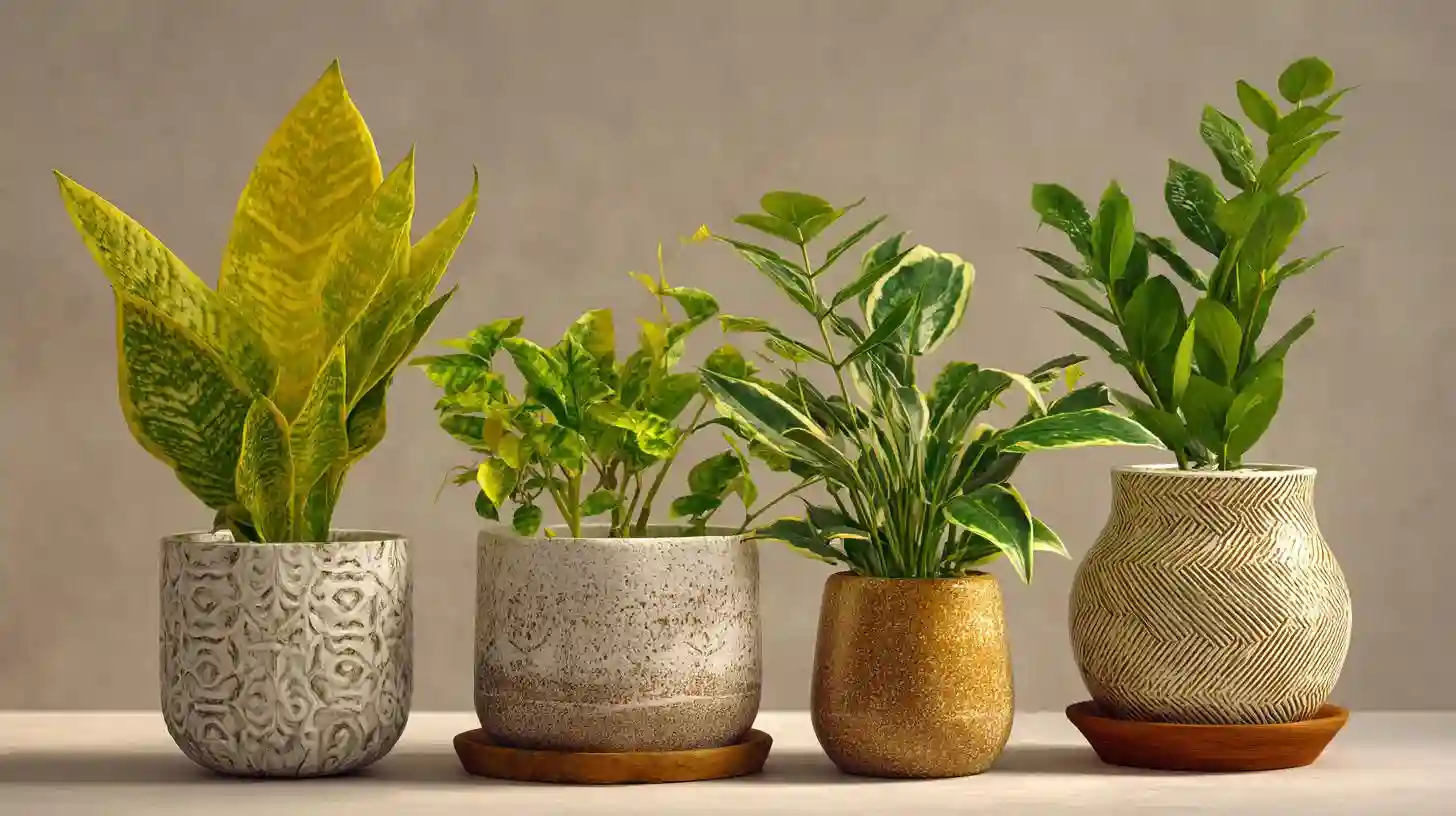
Potting and caring for indoor plants blends practical know how with a careful eye for detail, because every plant responds to its own light, water, soil, and home climate in a slightly different way and expert tips emerge from watching those responses closely and adapting the routine accordingly. Choosing the right container matters a great deal; a pot should offer a stable base, a drainage hole to prevent waterlogged roots, and a size that allows some room for growth without burying the plant’s crown in soil. When a plant is ready for a new home, gently easing it from its old pot, loosening compacted roots, and placing it in fresh medium helps establish a healthy start in the new container, while filling around the root ball with a well draining soil mix made from a light blend of organic matter and mineral aerators that preserve air pockets will support steady root development and prevent soggy zones that invite root rot. The ideal medium often includes components that retain moisture just enough to keep roots hydrated between watering and at the same time provide ample drainage, and it is wise to avoid heavy garden soil that clumps and compacts in an indoor setting, instead favoring a tailored potting mix suited to the plant type and indoor environment. After potting, give plants a solid drink so water percolates through the mix and out of the drainage hole, then pause to allow the surface to dry slightly before watering again, because frequent shallow watering can encourage fungus gnats and shallow roots, while overwatering can lead to root decay and dull, drooping foliage. Water quality matters as well; letting tap water sit to dissipate chlorine or using rainwater or filtered water can reduce the accumulation of minerals that can build up in the soil and stress sensitive varieties, and always aim to water at the root zone rather than the leaves to minimize leaf burn and encourage robust root growth.
Light is another essential ingredient in the indoor plant equation, with the best outcomes arising from bright, indirect light that imitates the gentle glow of a plant’s native understory or open shade. Observe how each plant responds to its location, and do not assume that a spot labeled as high light will always stay generous; if leaves pale or growth slows, consider moving the plant closer to a window with filtered sun or providing a sheer curtain to diffuse direct rays that can scorch delicate foliage. Rotating plants periodically helps ensure even growth and prevents one side from leaning toward the brightest light, and grouping plants with similar light needs can create microclimates that support vigorous growth without overexposing any individual specimen. Temperature stability is a quiet backbone of indoor plant health, so choose a room where drafts, heating vents, and sudden temperature swings are minimized, as abrupt changes stress many species and can trigger leaf drop or slowed metabolism, while moderate warmth in the daytime and cooler nights tend to encourage steady vigor for a broad range of common houseplants.
Humidity often plays a critical supporting role, especially for tropical friends that love a moist atmosphere; in dry rooms, increasing ambient humidity around the plants by placing them on a tray of pebbles with water beneath the pot, grouping plants together, or using a gentle humidifier can make a meaningful difference, and even simple misting can be beneficial for some foliage varieties, though excessive misting can promote mold on leaf surfaces if air circulation is poor, so balance is key and observation will guide adjustments. Fertilization should be thoughtful and measured, with a balanced, water soluble formulation delivered during the active growing season at a light rate, avoiding overdose that leads to burned tips and salt buildup, and it is prudent to pause feeding when growth slows or during periods of dormancy to give plants a rest and preserve their svelte, healthy look for the next growth surge. Regular inspection forms the backbone of pest prevention and early intervention; a quick glance at leaves, stems, and the undersides of foliage for any signs of scale, aphids, spider mites, or unusual stippling allows for prompt action, and a gentle wipe with a damp cloth, an alcohol swab for small pests, or a targeted rinse can clear many problems at their outset while preserving beneficial organisms in the soil. When issues arise, diagnosing whether they come from watering habits, lighting, or pests helps tailor a response that doesn’t overcorrect and create new imbalances, and keeping air moving around a plant, whether by a small fan or by simply avoiding stagnant corners, reduces the risk of fungal diseases and helps leaves dry evenly after watering.
Repotting remains a routine that varies with plant type and root vigor, and signs such as roots circling the surface, soil breaking down into a crumbly mass that drains poorly, or roots pushing through drainage holes indicate that a larger home is ready, while selecting fresh potting mix and a slightly larger container supports renewed growth and resilience. After transplanting, resume a conservative watering schedule and monitor how quickly the plant takes up moisture, adjusting to the plant’s pace rather than adhering to a rigid timetable, and take care to refresh the topsoil surface with a light mulch of organic matter or decorative mulch that helps conserve moisture while keeping weed growth at bay. Cleanliness matters too; wash your hands before handling plants, sterilize pruning tools to prevent the spread of disease, and remove yellowed or damaged leaves so plants allocate energy to healthy tissue rather than wasted effort sustaining decline. Patience and attentiveness turn routine care into an art, and as you learn the rhythms of your collection you will refine placement, soil choices, and watering instincts to fit each plant’s personal mood and the changing seasons, cultivating a living space that feels calm, vibrant, and inviting for both people and the leafy companions that brighten the indoors. With mindful care and a steady eye for adaptation, a thoughtfully tended indoor garden will thrive across the year.