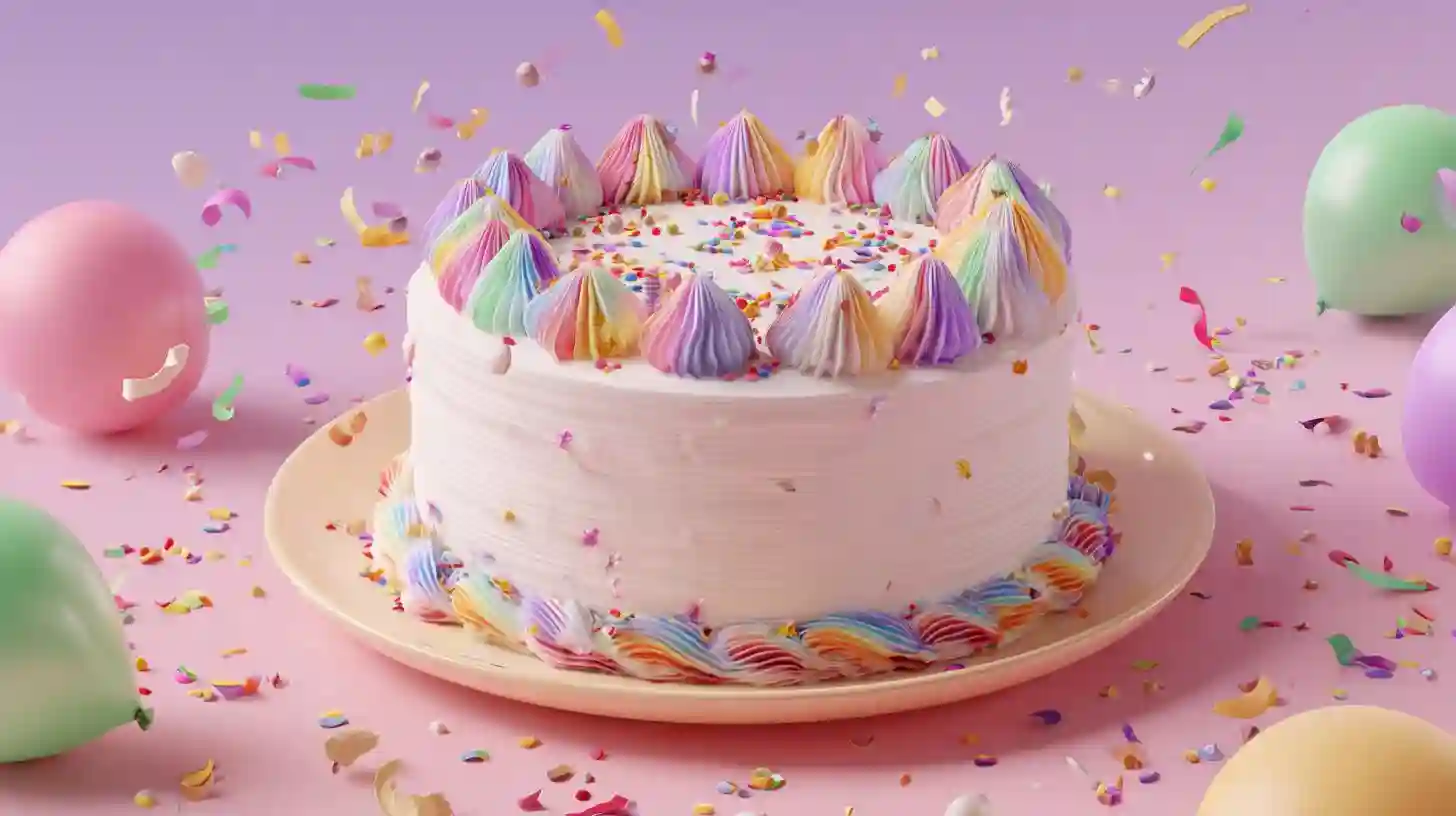
Celebrating birthdays is a tradition deeply ingrained in cultures around the world. While it may seem like a simple occasion marked by cake, candles, and well-wishes, the origins and cultural significance of birthdays stretch far beyond just a reason to gather with friends and family. Birthdays are a reflection of the human need to acknowledge life’s milestones, celebrate existence, and mark the passage of time in a meaningful way.
The tradition of celebrating birthdays can be traced back to ancient civilizations, with the earliest documented celebrations occurring in Egypt. The ancient Egyptians believed that pharaohs were gods on earth, and as such, their birth dates were seen as sacred events. However, they did not celebrate the birth of common people in the same way. It wasn’t until later, in ancient Greece, that the concept of a birthday celebration for ordinary people began to take shape. The Greeks, inspired by the Egyptians, would offer cakes and prayers to honor the gods and their loved ones. These cakes were often made round to symbolize the moon, a celestial body associated with many deities, and were lit with candles to make them glow, representing the divine light.
In ancient Rome, birthday celebrations gained further popularity, especially among the aristocracy. Romans would throw lavish banquets and provide gifts to the individual whose birthday was being celebrated. They also developed a custom of honoring one's birth day with offerings to gods, asking for blessings, health, and prosperity in the coming year. Over time, these celebrations became more widespread, and birthdays were eventually recognized as important days in a person’s life, especially when they reached significant milestones, such as coming of age.
As Christianity spread throughout Europe, early Christians rejected birthday celebrations, considering them to be a pagan practice. The idea was that only Jesus Christ should be honored, and that the celebration of one’s own life was self-centered and improper. However, over time, the Christian faith softened its stance, and birthdays were again acknowledged, though still with some reservations. In fact, the most widely celebrated birthday today—Christmas—is the commemoration of the birth of Jesus Christ, a day that is a direct link to the birth celebration tradition.
In the modern era, birthdays have evolved into a more secular, universal celebration. The introduction of birthday parties, complete with decorations, gifts, and a cake, became commonplace by the late nineteenth and early twentieth centuries. In particular, birthday parties for children gained popularity in Western societies, where the focus shifted to creating joy and making memories for young people. The emphasis on celebrating the individual has become especially prominent in recent decades, with social media playing a significant role in marking the occasion. It is now common for people to share their birthday celebrations online, receiving virtual greetings from friends, family, and even acquaintances from around the world.
Culturally, the way we celebrate birthdays varies significantly from country to country, yet the underlying theme of recognizing the passage of time and expressing good wishes remains universal. In many cultures, birthdays are seen as an opportunity for personal reflection. In some Eastern traditions, such as Chinese culture, reaching a particular age signifies wisdom and honor, and thus, birthday celebrations are imbued with deep respect for the individual’s journey through life. For example, in Chinese culture, a child’s first birthday is a particularly significant event, symbolizing the survival and prosperity of the child, as infant mortality rates were once high. Similarly, in Korea, the celebration of a person’s first birthday is also very important, with a special ceremony called “doljanchi” that includes traditional foods and rituals meant to bring good fortune.
In contrast, many Western cultures focus on the idea of fun and enjoyment when celebrating birthdays. Parties, gifts, and cakes are central to the occasion, with many people looking forward to these annual events as a time to feel special and loved. In the United States, for example, the birthday party has become an integral part of childhood, where the excitement of the day is often accompanied by games, entertainment, and birthday presents. These celebrations often reflect the individual’s preferences, creating a personalized experience that can be shared with close friends and family members.
Birthdays serve as a marker of the passage of time, offering a chance to celebrate the journey of life. They allow individuals to feel valued, appreciated, and loved by those around them. In societies that place importance on individualism, birthdays offer an opportunity for personal recognition. For others, birthdays are a communal event, bringing people together to share in the joy of life itself. Regardless of the specific customs or traditions, the core idea behind birthday celebrations remains the same: they are an acknowledgment of the unique journey each person embarks upon, a recognition of growth, and a celebration of being alive.