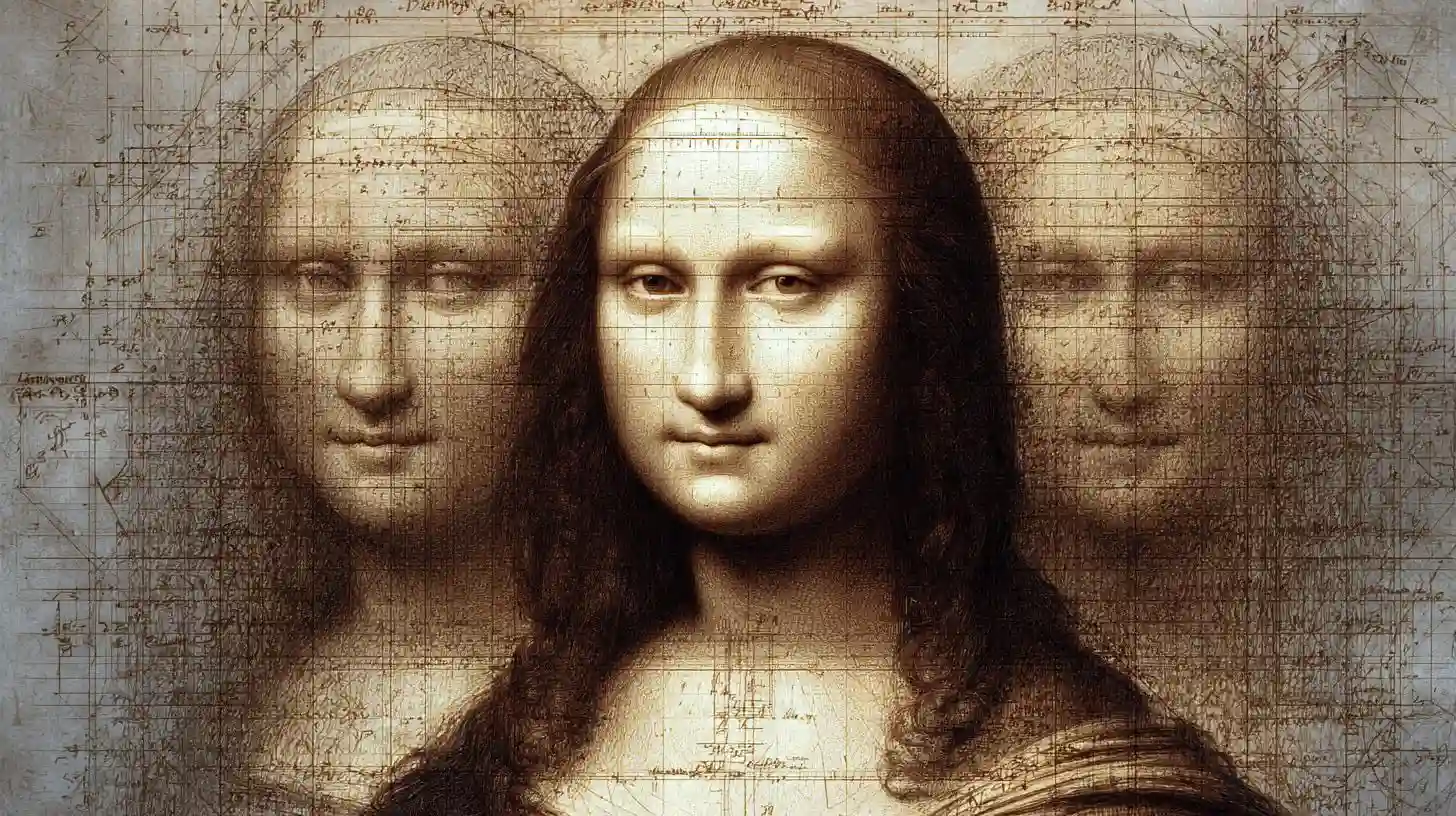
Leonardo da Vinci's Mona Lisa stands as one of the most famous works of art in the world, a masterpiece that has fascinated viewers for centuries. Its enduring allure transcends time and culture, drawing millions of visitors to the Louvre Museum in Paris every year. What is it about this painting that continues to captivate the world and maintain its status as an icon of both art history and popular culture? The Mona Lisa's power lies in a combination of factors, from its enigmatic expression to its groundbreaking artistic techniques, each contributing to the mystery and timeless appeal that surrounds the painting.
At the heart of the Mona Lisa's mystique is her expression. The subject's smile has long been a subject of intrigue. It is neither fully joyous nor entirely melancholic, but rather seems to shift and change depending on the viewer's perspective. Some describe it as enigmatic, suggesting a hint of playfulness or knowingness, while others interpret it as a more somber or melancholic gesture. This ambiguity is further heightened by the way the smile seems to evolve when observed from different angles. This elusive expression defies simple interpretation, leaving room for endless speculation and philosophical pondering. For centuries, art critics, historians, and even scientists have attempted to unravel the exact nature of the Mona Lisa’s smile, yet the answer remains elusive. This mystery invites the viewer to engage with the painting in a personal way, leading each observer to interpret the smile according to their own emotions and experiences. It is this sense of mystery, coupled with the painting's lifelike quality, that makes it a powerful psychological puzzle, one that invites constant reflection and reinterpretation.
Another compelling aspect of the Mona Lisa is its innovative use of sfumato, a technique pioneered by da Vinci himself. Sfumato refers to the subtle blending of colors and tones to create soft transitions between light and shadow, eliminating harsh lines and giving the subject an almost ethereal quality. The effect is particularly evident in the face and hands of the Mona Lisa, where the soft contours and shadows seem to breathe life into the figure. This technique, which was revolutionary for its time, contributed to the painting's uncanny realism. The smooth transitions and soft shading give the impression that the figure could step off the canvas at any moment, creating an almost lifelike presence that engages viewers on a visceral level. The skill with which da Vinci applied sfumato elevates the Mona Lisa beyond the realm of traditional portraiture and sets it apart from many other works of art from the Renaissance period.
In addition to its technical brilliance, the Mona Lisa's composition plays a crucial role in its enduring appeal. The subject is positioned in a three-quarter view, allowing her to occupy the space of the painting in a way that feels both intimate and commanding. Her gaze, which seems to follow the viewer around the room, adds to the sense of connection between the painting and its audience. The background, a dreamlike landscape of winding roads, distant mountains, and tranquil waters, contrasts with the serenity of the figure in the foreground. The way the landscape fades into mist creates a sense of mystery and ambiguity, much like the figure herself. This delicate balance between the figure and the environment invites the viewer to contemplate the relationship between the individual and the natural world, further deepening the layers of meaning within the painting.
The Mona Lisa’s legacy extends beyond its technical and aesthetic qualities. Over the years, the painting has become a symbol of art itself, representing the pinnacle of human achievement in both creative and intellectual realms. The painting’s fame has only grown since it was stolen from the Louvre in the early twentieth century, a heist that captured global attention and cemented the Mona Lisa's status as a cultural phenomenon. The painting's theft turned it into a symbol of both loss and recovery, further intensifying the fascination with the work. It became a subject of countless reproductions, adaptations, and references across media, from literature to film, becoming inextricably linked with the idea of art as a universal treasure.
What also sets the Mona Lisa apart is its ability to adapt to the times. While many works of art may be appreciated for their historical or artistic value, the Mona Lisa has maintained its relevance by becoming part of contemporary culture. Her image is instantly recognizable, appearing on everything from advertisements to tattoos. The painting’s influence extends into the world of popular culture, where it is frequently referenced, parodied, and reimagined. This level of recognition ensures that the Mona Lisa remains at the forefront of the global cultural conversation, while also demonstrating the enduring power of great art to transcend its original context and take on new meanings in the present day.
The Mona Lisa's enduring appeal also lies in the way it has become more than just a painting. It has evolved into a symbol of art itself, a representation of mystery, beauty, and intellectual curiosity. The fascination with the painting seems to grow with each passing year, as new generations of viewers find their own connections to the work. Whether through its psychological depth, technical mastery, or cultural significance, the Mona Lisa continues to captivate audiences and invite endless exploration. It is a work of art that not only represents the zenith of Renaissance achievement but also speaks to universal themes that resonate across time and place, ensuring its place as one of the most enduring and celebrated works in the history of art.