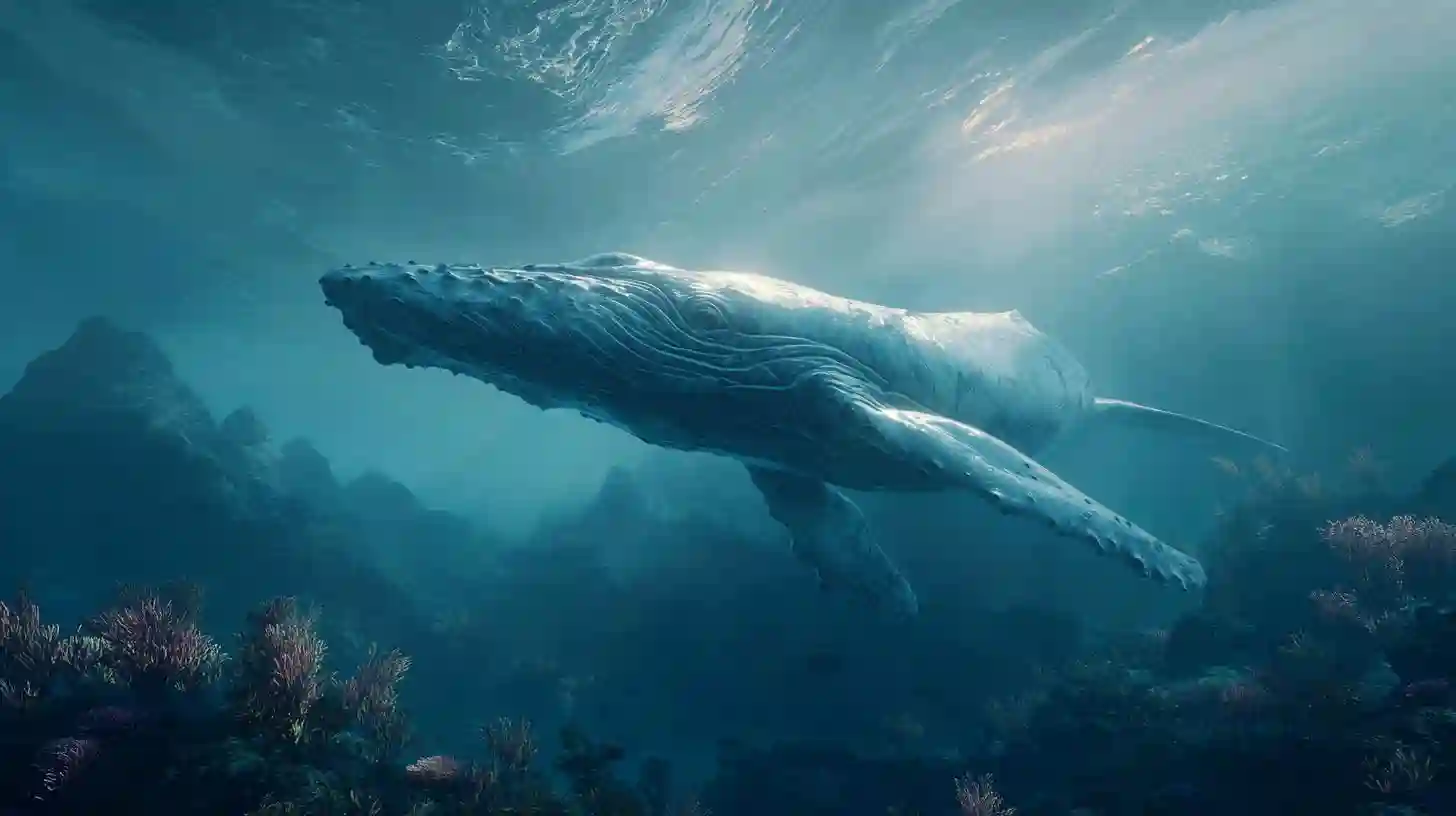
Whale falls are one of nature’s most fascinating ecological phenomena, where the carcass of a deceased whale sinks to the ocean floor and becomes a microcosm of life and death, sparking a unique ecosystem that is completely dependent on this single event. When a whale dies and its body descends to the seabed, it provides an immense amount of organic matter to the deep-sea environment, a region often lacking in food sources. This influx of nutrients triggers a series of biological processes that support an entire community of creatures, creating a dramatic shift in the local ecosystem. The process begins almost immediately after the whale hits the ocean floor, with scavengers such as sharks, hagfish, and various species of fish that quickly take advantage of the large carcass. These scavengers break down the whale’s flesh, contributing to the recycling of nutrients that are vital to the survival of deep-sea organisms.
As the initial scavengers devour the soft tissues, a more specialized group of organisms begins to colonize the carcass. These include deep-sea species like bone-eating worms and bacteria that can consume the fats, oils, and other more resilient parts of the whale, such as its bones. These bacteria, specifically, thrive on the high levels of hydrocarbons found in the whale's remains, and they are critical in breaking down the organic matter into forms that other organisms can utilize. Over time, the bones of the whale become mineralized, and the whale fall gradually turns into a habitat for an entire ecosystem that thrives on the nutrients provided by the decaying whale. In this way, whale falls become an oasis in the vast, nutrient-scarce ocean depths. The communities around whale falls can persist for years, with different stages of colonization occurring as the whale decays and its remains slowly break down into smaller components.
The organisms that rely on whale falls are often highly specialized and exhibit unique adaptations. For example, the bone-eating worms, Osedax, have evolved specialized root-like structures that penetrate the bones to feed on the fat stored within them. These worms have a mutualistic relationship with bacteria living within their tissues, which help them digest the bones. This symbiotic system allows these worms to exploit a food source that most other animals could never access. In addition, many species that live around whale falls, including crustaceans, mollusks, and various species of worms, rely on the nutrients provided by the decaying whale to sustain themselves in an otherwise barren environment. This reliance on whale falls is so pronounced that these communities can be considered "whale-fall specialists," with entire populations built around the cyclical event of a whale’s death.
The ecological importance of whale falls extends beyond the immediate area where the carcass rests. The nutrients released by the decomposing whale have the potential to affect the surrounding ocean floor, providing a wider range of sustenance to the surrounding marine organisms. Some of the nutrients from the whale fall, such as nitrogen and phosphorous, can leach into the surrounding sediments and water, promoting the growth of bacteria and other microorganisms that form the base of the food web in these deep-sea environments. This nutrient release can impact the overall biodiversity of the surrounding ecosystem, potentially supporting a variety of species that otherwise would not be able to survive in the nutrient-poor conditions of the deep ocean.
Moreover, whale falls represent an important link in the broader marine nutrient cycle. By providing a rich source of organic material to deep-sea organisms, whale falls contribute to the recycling of carbon and other essential elements in the ocean. This process not only sustains the species that directly feed on the whale remains but also influences the overall health of the deep-sea environment by supporting the intricate web of life that exists in these regions. In many ways, whale falls are nature's recycling centers, taking a once-living organism and turning it into the foundation for an entirely new, thriving ecosystem. This transformation highlights the interconnectedness of marine ecosystems, where even the death of a giant creature like a whale can give rise to an array of life forms and contribute to the resilience of the ocean's biodiversity.
In the end, whale falls are a testament to the remarkable adaptability of life in the ocean and the intricate processes that govern the health of marine ecosystems. They provide insight into the profound ecological relationships that exist in the deep sea, where even in the most unlikely places, life finds a way to flourish and thrive. Through the decomposition of a whale, an entire community of organisms is supported, and the surrounding ocean floor becomes enriched with vital nutrients, all of which contribute to a greater understanding of the dynamic and interdependent nature of life beneath the waves.