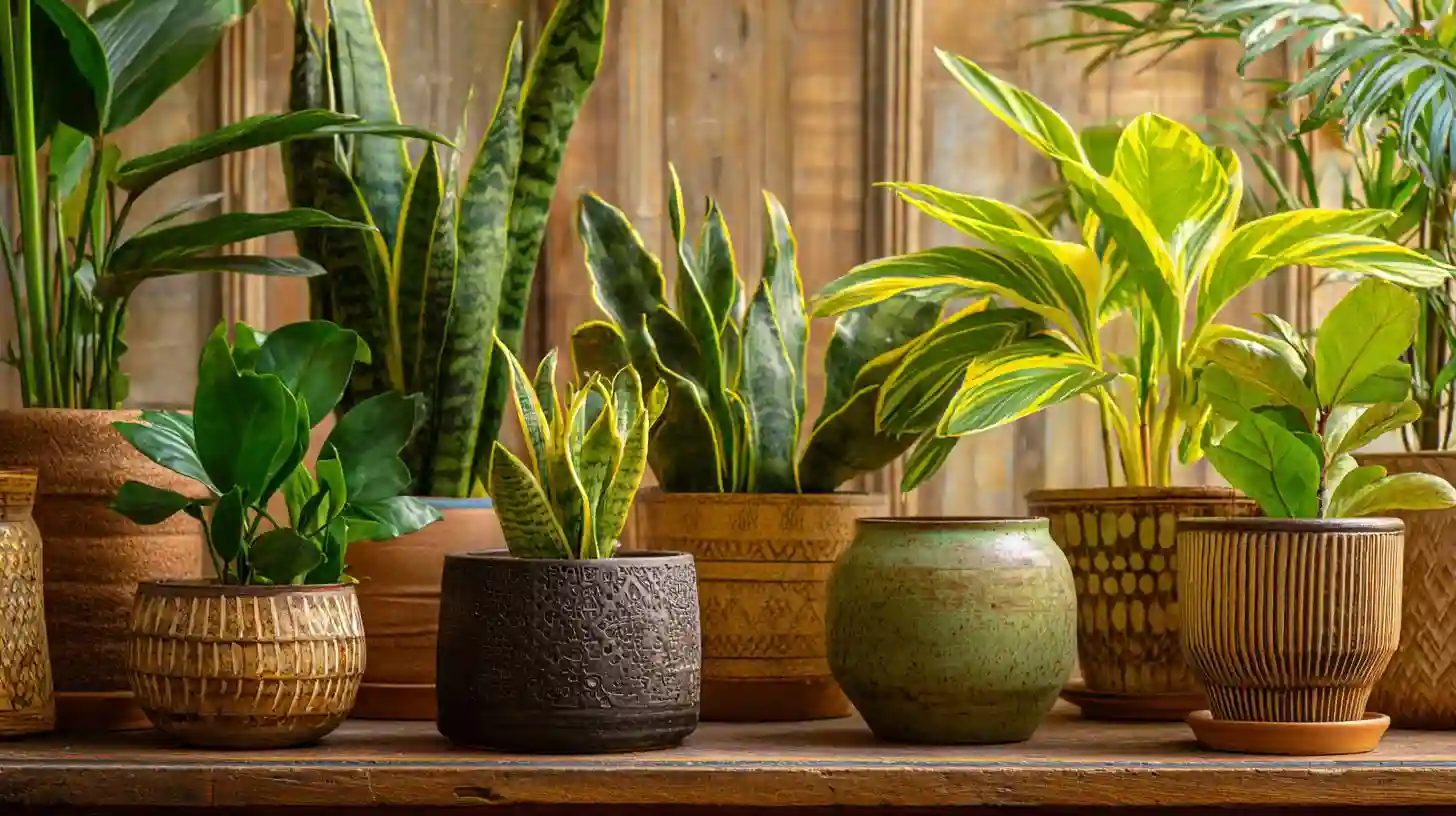
When it comes to bringing a bit of nature into your home, indoor plants are an excellent choice. Not only do they add aesthetic value, but they also improve air quality and bring a sense of calm. However, growing indoor plants requires attention to detail, and there are specific steps and techniques you can follow to ensure your plants thrive. One of the most critical steps in successful plant care is knowing how to pot and maintain your plants.
Choosing the right pot is the first step in ensuring your plant has a healthy environment to grow in. A good pot must have drainage holes to prevent water from accumulating at the bottom, which can lead to root rot. The pot size should be just slightly larger than the root ball of the plant. If the pot is too large, the excess soil can retain too much moisture, leading to overwatering. On the other hand, if the pot is too small, the plant may become root-bound, which restricts its growth.
When selecting a pot, it's essential to consider the material. Pots made of terracotta or clay are porous, allowing air and moisture to move through, which helps prevent overwatering. However, these materials may dry out quickly and require more frequent watering. Plastic pots, while not as breathable, retain moisture better and are ideal for plants that prefer consistent soil moisture.
Before placing your plant in its new pot, make sure the bottom is covered with a layer of small stones or a piece of mesh to allow water to drain freely. This will prevent the soil from clogging the drainage holes. Once the drainage layer is in place, fill the bottom of the pot with some fresh, well-draining potting mix. Choose a mix that suits the specific needs of your plant. For example, cacti and succulents require a gritty, well-drained mix, while tropical plants thrive in a moisture-retentive yet well-drained soil.
When you are ready to pot the plant, gently remove it from its original container. If the plant is root-bound, carefully loosen the roots with your fingers or a small tool to encourage them to spread out. Place the plant in the center of the pot and add soil around it, making sure the top of the root ball is level with the top of the pot. Gently press the soil down to eliminate any air pockets, but avoid compacting it too tightly, as this can hinder root growth.
Watering your indoor plants correctly is one of the most critical aspects of plant care. Overwatering is a common mistake and can lead to the decline of your plants. To determine when to water, check the moisture level of the soil by sticking your finger about an inch into it. If the soil feels dry at this depth, it’s time to water. For most indoor plants, it is better to let the soil dry out slightly between waterings than to keep it constantly moist.
Make sure to water thoroughly, allowing the water to drain from the bottom of the pot. This ensures that the roots receive an adequate amount of moisture. However, never let the plant sit in standing water, as this can cause the roots to rot. If you’re unsure about the watering needs of your plant, it’s always better to under-water than overwater, as many plants are more tolerant of drought than of soggy soil.
Another important factor in caring for indoor plants is providing the right amount of light. Most indoor plants prefer bright, indirect light. Direct sunlight can scorch the leaves of many plants, especially those with delicate foliage. On the other hand, insufficient light can cause plants to become leggy and weak. It’s a good idea to place your plants near a window, but avoid direct sunlight during the hottest part of the day.
Some plants, like succulents and cacti, can tolerate more sunlight, while others, like ferns and peace lilies, prefer lower light conditions. If you find that your plant isn’t thriving in its current location, try moving it to a different spot with more or less light. If natural light is insufficient, consider supplementing with grow lights, especially during the darker winter months.
Regularly check for pests as well. Indoor plants are susceptible to common pests such as aphids, spider mites, and mealybugs. If you notice any signs of pests, such as discolored or damaged leaves, take action immediately. You can gently wipe down the leaves with a damp cloth or use insecticidal soap to treat the infestation. Be sure to inspect the undersides of the leaves and the soil for any hidden pests.
Fertilizing your plants is another crucial aspect of plant care. Most indoor plants benefit from regular feeding during the growing season, which typically occurs in the spring and summer. A balanced, water-soluble fertilizer can help provide essential nutrients for healthy growth. However, it’s important not to over-fertilize, as this can lead to nutrient imbalances and even damage the plant. Follow the instructions on the fertilizer packaging and avoid fertilizing during the dormant months, typically fall and winter.
Repotting is a necessary part of plant care, as plants eventually outgrow their pots. Signs that it’s time to repot include roots emerging from the drainage holes or the plant becoming top-heavy. When repotting, choose a pot that is only slightly larger than the current one to avoid water retention issues. Gently remove the plant from its current pot, prune any damaged or excessively long roots, and place it in the new pot with fresh soil.
Finally, keep an eye on the overall health of your indoor plants. Yellowing leaves, slow growth, or stunted development can indicate a problem, such as poor drainage, insufficient light, or pest infestations. By monitoring your plant’s progress and adjusting care techniques as needed, you can ensure that your indoor plants thrive for years to come.