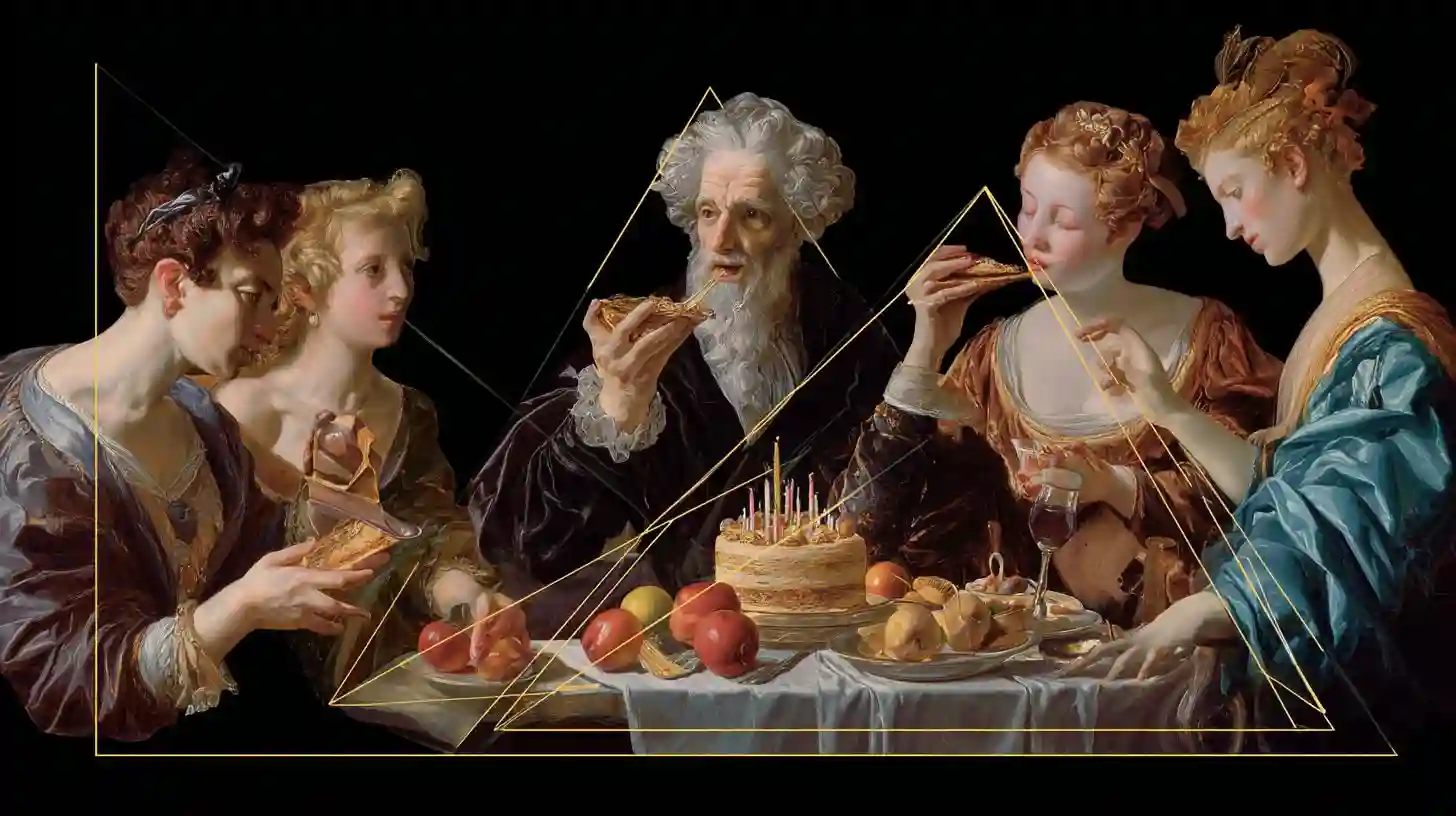
Celebrating birthdays has become a universal tradition, yet few stop to wonder why we observe this special occasion. The origins of birthday celebrations are deeply rooted in history, influenced by cultural practices, beliefs, and rituals that have evolved over centuries. Understanding why birthdays are celebrated requires looking at various aspects: the historical significance, the cultural relevance, and the personal meaning they hold today.
In ancient times, birthdays were not always celebrated. In fact, many early civilizations did not mark the passage of time with the same sense of personal celebration that we have today. The earliest recorded birthday celebrations can be traced back to ancient Egypt, where the pharaoh's birth was seen as a significant event. However, these celebrations were not for the common people; they were reserved for the royal family and often involved grand ceremonies and offerings to the gods. The concept of celebrating the birth of an individual, especially in the way we do now, was reserved for those in power, and the festivities were meant to honor their importance and divine right to rule.
It wasn’t until the ancient Greeks and Romans that birthdays started to be more widely recognized, although the celebrations were still limited to important figures. For the Greeks, birthdays were seen as a time to pay homage to the gods and goddesses, particularly to the goddess Artemis, whose birthday was marked with moon-shaped cakes, a precursor to the birthday cake tradition we know today. The Romans took this further, creating the practice of celebrating one's birthday with friends and family. They would hold feasts, give gifts, and host parties, all in an effort to mark the passage of another year in a person's life.
One of the most significant shifts in the cultural celebration of birthdays came with the rise of Christianity. Early Christians did not observe birthdays as they were seen as a pagan practice. In fact, the celebration of Jesus' birth, Christmas, was one of the few recognized occasions. It wasn’t until later centuries that the practice of celebrating birthdays among Christians began to gain traction. With the rise of Christianity in the West, the focus shifted to the concept of individual life and soul. The idea that every person’s life had divine meaning became a key factor in the eventual adoption of birthday celebrations across Europe.
The tradition of birthday parties continued to grow and spread as the influence of European culture reached other parts of the world. By the 18th and 19th centuries, birthdays became widely celebrated in Western societies, especially among the middle and upper classes. Birthdays were no longer just for the elite; the common people began to take part in this celebration of life. However, it wasn’t until the Victorian era that the modern-day birthday party, with its cake, candles, and singing, came into being. The birthday cake, often decorated with candles to symbolize light and life, became a staple of the tradition. The practice of making a wish before blowing out the candles is said to come from ancient superstitions, where blowing out candles would send a prayer to the gods.
In many cultures, birthdays are not just about marking the passage of time but also about celebrating the individual. In some societies, reaching a certain age signifies maturity, wisdom, or coming-of-age milestones. For example, in certain Latin American cultures, a girl's fifteenth birthday is celebrated as a significant milestone, called a quinceañera, marking her transition into womanhood. Similarly, in Jewish culture, a boy’s bar mitzvah and a girl’s bat mitzvah are important events, celebrating their coming of age and the assumption of religious responsibilities. These traditions reflect a deep cultural respect for growth, transition, and the milestones of life, emphasizing that birthdays are not only a personal celebration but also a reflection of societal values and expectations.
The modern celebration of birthdays has taken on a more personal and sometimes extravagant form. In many places today, birthdays are seen as an opportunity for individuals to feel special, loved, and appreciated. It has become a moment to reflect on personal achievements, surrounded by friends and family. Birthdays often come with the expectation of gifts, cake, and perhaps even a party, as these elements have become embedded in the modern understanding of a birthday celebration. The age of social media has also introduced new dynamics, as people now share their birthday celebrations online, leading to a global acknowledgment of one's special day.
While the origins of birthday celebrations are steeped in ancient traditions and religious beliefs, the way we celebrate today has evolved to become a highly personalized and widely embraced occasion. From the grandeur of ancient royal ceremonies to the quiet moments of reflection in modern life, birthdays offer a chance to honor one's existence and to connect with others in a meaningful way. What began as a ceremonial observance of life’s passage has become a global tradition that celebrates the uniqueness of each individual, reminding us of the importance of marking the moments that make life worth living.