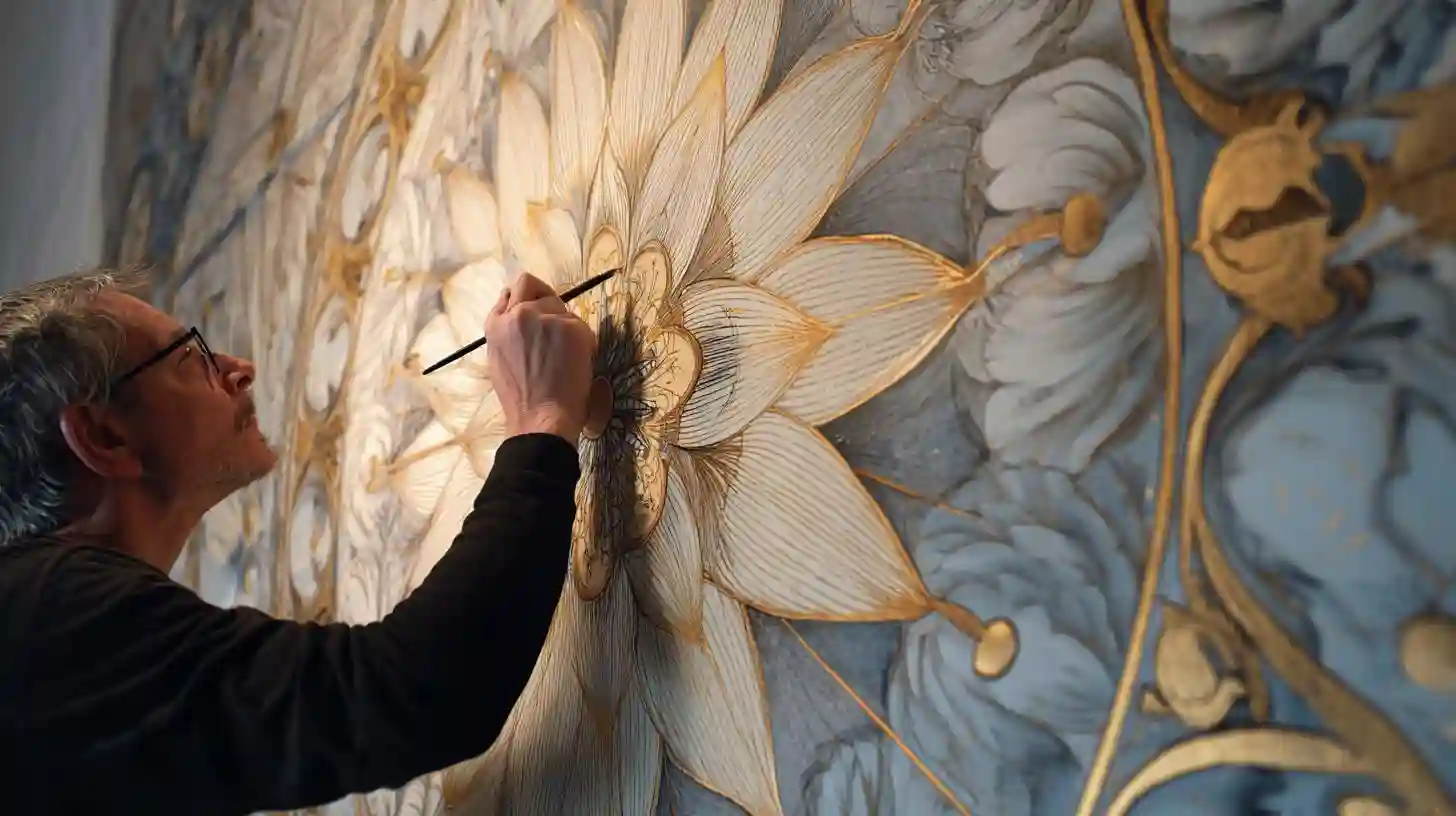
Creating a mural is an art form that has been around for centuries, from the ancient frescoes of Pompeii to modern-day street art. A mural has the ability to transform a blank wall into a masterpiece, bringing color, life, and meaning to a space. If you're considering creating your own mural, there are several key steps and expert tips that will guide you through the process, from preparation to finishing touches.
First, it's important to select the right wall. The size and texture of the wall will play a significant role in determining the kind of mural you can create. A smooth wall is ideal for detailed work, while a rough or textured surface might require a different approach. Make sure to inspect the wall for any imperfections that may need repairing, as these could affect the final result.
Once you’ve chosen your wall, it’s time to plan your design. This is where the fun begins, as murals offer endless possibilities. Whether you're going for something abstract, a landscape, or a portrait, it's essential to have a clear vision before you begin. Some artists prefer to sketch their designs directly on the wall, while others may use a projector to outline their artwork. Using a projector allows for more precise placement of elements, especially for larger murals, ensuring that proportions are accurate and that your design fits the space perfectly.
After your design is ready, the next step is priming the wall. This step is crucial for ensuring that the paint adheres well and lasts for a long time. Apply a coat of primer that’s suited to the type of wall you’re working on. For example, if you’re painting on a porous surface, a heavy-duty primer will help to seal the wall and prevent the paint from being absorbed unevenly. Allow the primer to dry completely before you begin painting.
When it comes to choosing paints, it's important to pick high-quality, durable paint that can withstand the elements if your mural is outdoors. Acrylic paint is often a favorite among muralists because of its versatility, fast-drying time, and vibrant colors. It’s also resistant to fading and can be easily applied on a variety of surfaces. For larger murals, you may want to invest in a range of brushes, rollers, and spray paint to achieve different textures and effects. Having the right tools for the job makes a big difference in the overall outcome.
One of the most effective techniques for painting large murals is to start with the background. This allows you to establish a solid foundation and work your way toward more intricate details. It’s best to block in large areas of color first, using broad strokes and a roller to cover wide sections quickly. As you move forward, begin adding layers of detail and texture. Take your time with each layer, allowing the paint to dry before moving on to the next. This prevents colors from blending together and allows for better control over your work.
To ensure your mural looks professional, consider the lighting and perspective. The light in the room or the area outside can dramatically change the way the colors appear. Test your mural under different lighting conditions to make sure it looks great at all times of day. Pay attention to the perspective as well, particularly if you're painting something with depth, like a landscape or a building. The way objects are arranged in relation to each other will affect the viewer’s perception of the mural, so it’s essential to get this right.
As you move toward finishing the mural, don’t forget the protective layer. Once the paint is completely dry, apply a clear, UV-resistant varnish or sealant. This step will protect the mural from dirt, weather, and fading, ensuring that it remains vibrant for years to come. Be sure to select a finish that matches the look you're going for. If you want a matte finish, opt for a varnish that doesn’t add shine. For those who prefer a glossy look, choose a high-gloss sealant to enhance the colors and details.
Throughout the painting process, remember that patience is key. Mural painting requires a great deal of time, attention to detail, and a steady hand. Don’t rush, and take breaks when needed to step back and evaluate your work from different angles. It's easy to get lost in the process, but taking a moment to see your progress from a fresh perspective can help you make adjustments and ensure that the mural comes out just as you envisioned.
Ultimately, painting a mural is a rewarding experience that allows you to express your creativity in a grand way. By following these expert tips and dedicating yourself to the project, you can create a mural that not only enhances the space around you but also showcases your artistic skills. Whether it’s for a personal project or part of a larger community effort, a well-executed mural has the power to transform an environment, bringing beauty and inspiration to all who encounter it.