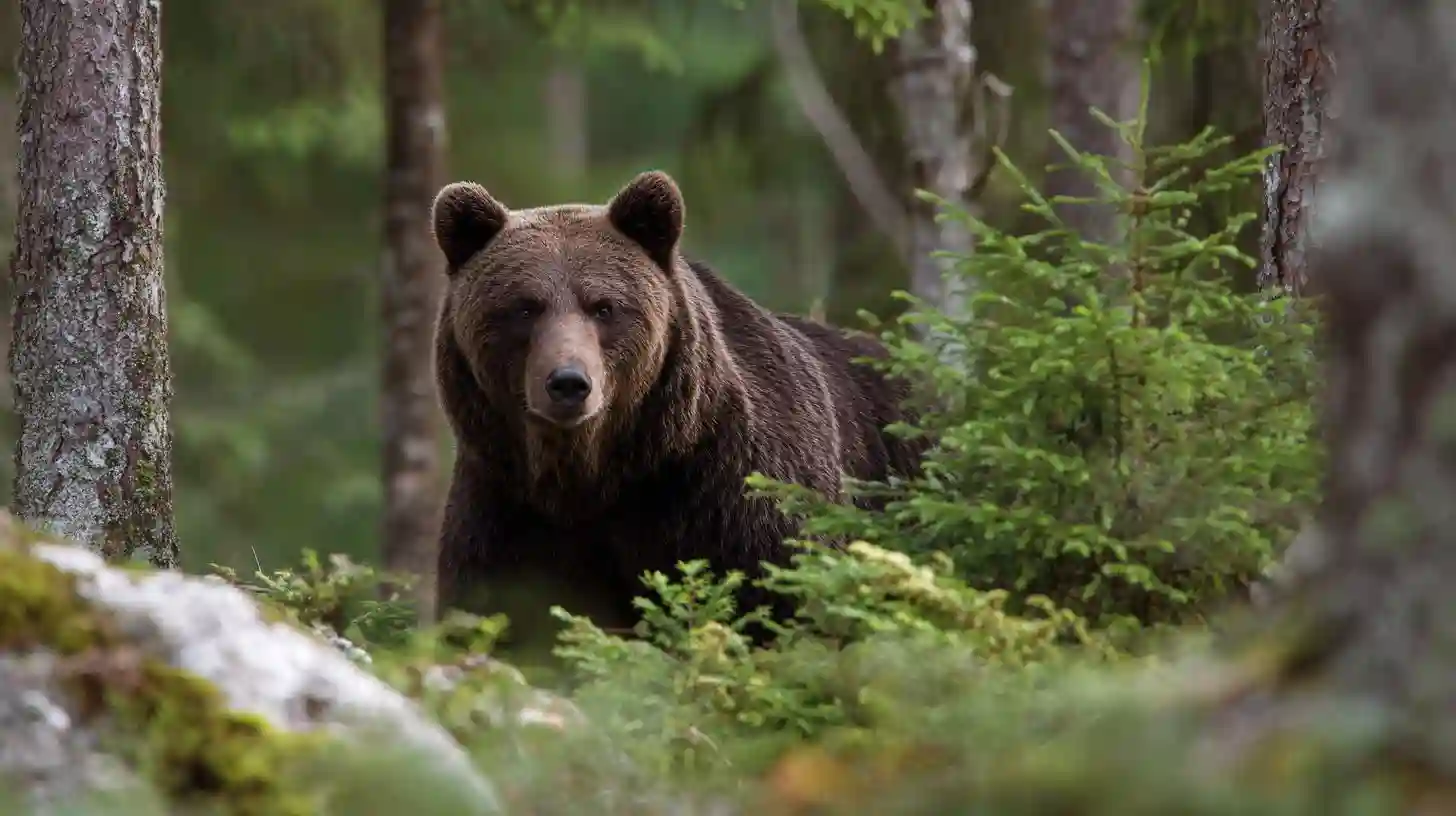
Brown bears, often seen as the undisputed rulers of the forest, play a pivotal role in maintaining the delicate balance of their ecosystems. Their size, strength, and adaptability allow them to dominate the landscapes they inhabit, and their actions, from hunting to foraging, have far-reaching impacts on the environment and other species. The presence of brown bears can directly influence the abundance of various plants and animals, as well as contribute to nutrient cycling in ways that might not be immediately obvious.
One of the most important ways brown bears shape their environment is through their role as apex predators. As they hunt for food, they help regulate populations of herbivores and smaller carnivores, preventing any one species from becoming too dominant. This, in turn, ensures that the plant life in their habitat is not overgrazed or depleted, allowing for a greater diversity of plant species to thrive. By keeping these populations in check, brown bears indirectly promote the health and diversity of the entire ecosystem, making sure no single species outcompetes the others for resources.
The diet of brown bears is highly varied, consisting of everything from berries and nuts to fish and mammals. This omnivorous nature allows them to have an extensive impact on the food web. For example, brown bears are known to feast on salmon during spawning seasons, and as they do so, they transfer essential nutrients from the ocean to the forest floor. These nutrients are then utilized by plants and other organisms, thus creating a nutrient-rich environment that sustains many species. This process of nutrient redistribution is crucial for maintaining the vitality of forest ecosystems, making brown bears essential contributors to ecosystem health.
In addition to their role as predators and nutrient distributors, brown bears are also significant in terms of their behavior, which helps shape the physical structure of their environment. Their foraging habits can lead to the destruction of certain plant species, creating openings for other plants to grow. For instance, as bears dig for roots or rip apart decaying trees in search of insects, they clear the ground and promote the growth of new vegetation. This natural disturbance can help maintain a healthy level of biodiversity, ensuring that no one species dominates the landscape.
Brown bears also interact with their environment in ways that benefit other animals. Their dens, often located in hollow trees or burrows, provide shelter for smaller mammals and birds. In the winter months, when bears hibernate, their dens serve as a refuge for various other creatures seeking protection from the cold. Moreover, the carcasses of animals they leave behind after a meal are a source of food for scavengers such as wolves, foxes, and even ravens. The presence of brown bears, therefore, creates a cascade of benefits throughout the food chain, supporting a wide array of life forms that might otherwise struggle to survive.
The impact of brown bears extends far beyond the immediate vicinity of their habitat. As large and powerful creatures, they are capable of migrating long distances, spreading seeds and influencing plant distribution across vast areas. This movement helps maintain genetic diversity in plant species, as seeds are carried from one area to another, allowing for the growth of new populations in different locations. The bears' migratory habits help to keep the forest ecosystem dynamic and adaptable to changing conditions, which is essential for the long-term survival of both plants and animals.
In many regions, brown bears are also considered keystone species, meaning that their presence and activities have a disproportionate effect on the structure and function of the ecosystem. Without brown bears, many of the species they interact with could suffer dramatic population declines or even face extinction. The role they play in maintaining the balance of their habitat is irreplaceable, and their absence could lead to a breakdown in the intricate web of life that supports the forest.
As humans continue to encroach on natural habitats and disrupt ecosystems, it becomes even more critical to recognize the importance of brown bears in preserving biodiversity and ecological balance. The dominance of brown bears in the forest is not just a result of their physical strength, but also a reflection of the crucial role they play in maintaining the intricate balance of life in the wilderness. Their presence ensures that forests remain vibrant, diverse, and healthy, providing a thriving environment for a wide range of species, both large and small.