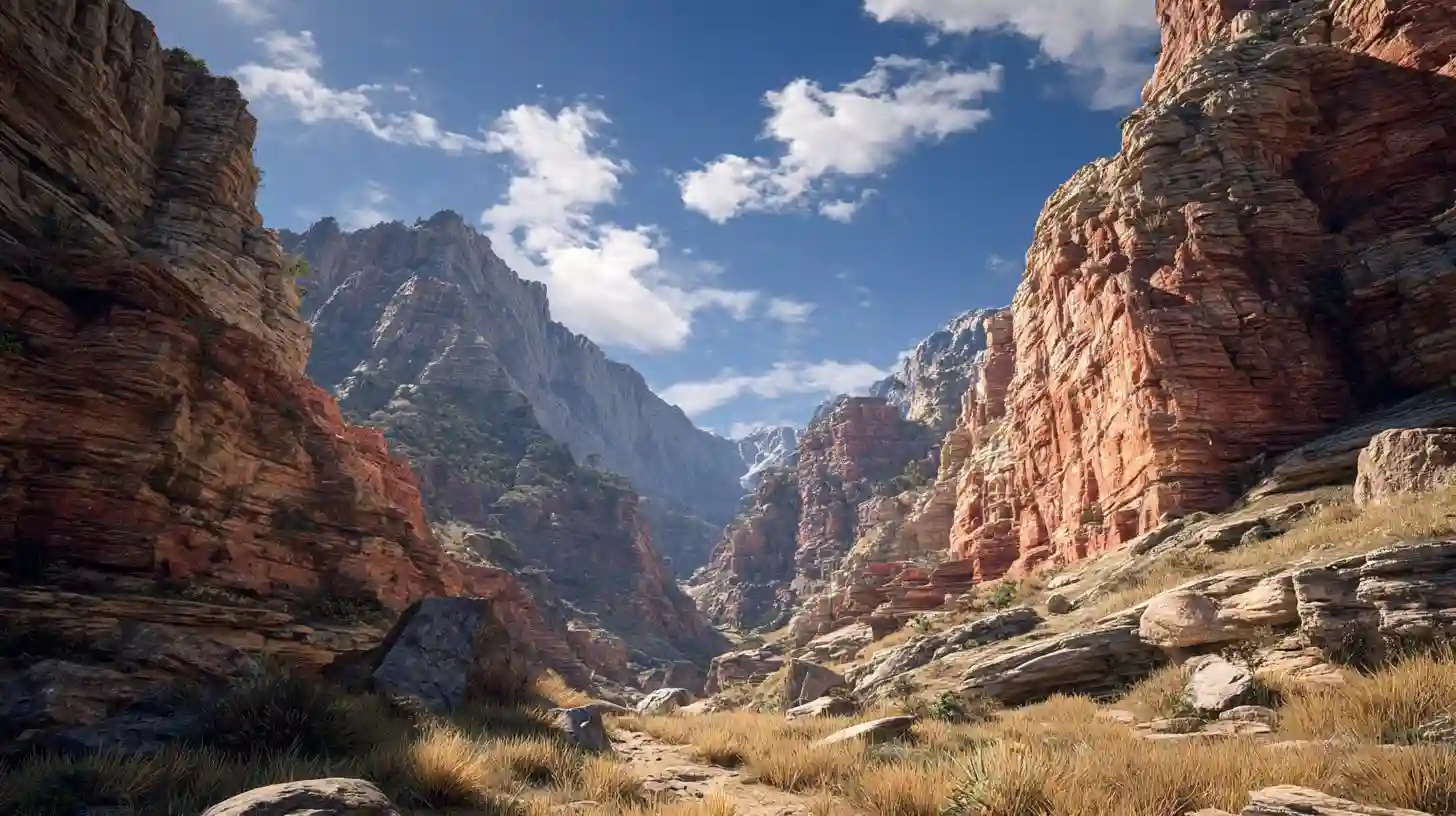
Recent studies and observations by environmental experts have highlighted several critical threats facing canyon ecosystems. These natural landscapes, often home to diverse wildlife and unique vegetation, are being subjected to pressures that threaten their delicate balance. One of the primary concerns is the ongoing degradation of water quality. Canyons, particularly those in arid regions, rely heavily on the availability of clean water from nearby rivers and streams. As human activity increases, so does the introduction of pollutants into these water sources. Agricultural runoff, industrial waste, and even urban expansion are contributing to this problem. The pollutants are altering the chemical composition of the water, harming aquatic life, and disrupting the entire ecosystem. Many species of fish, amphibians, and invertebrates, which are essential to the food chain in these canyons, are being pushed to the brink of extinction due to the deteriorating water quality. Without immediate intervention, these organisms will continue to suffer, and the entire canyon ecosystem will experience a severe decline.
Another significant threat to canyon ecosystems is the overgrazing of vegetation by invasive species and livestock. In many parts of the world, cattle and other livestock have been introduced into areas where they were not originally found. These animals often graze on native plants, leaving little for the native herbivores that rely on them for food. Furthermore, invasive plant species have taken root in some canyons, outcompeting native plants and altering the landscape. These plants are often hardier than native species, but they do not provide the same nutritional benefits for local wildlife. As a result, native herbivores find themselves without enough food, and the plant life that sustains the entire ecosystem begins to disappear. In addition, the loss of vegetation leads to increased erosion, as the soil becomes more vulnerable to the forces of wind and water. This erosion not only depletes the canyon's nutrient-rich topsoil but also contributes to the silting of nearby rivers, further exacerbating the water quality problems.
Climate change is another looming threat that could alter the dynamics of canyon ecosystems in profound ways. Rising temperatures, changing precipitation patterns, and more extreme weather events are all expected to disrupt these fragile environments. Higher temperatures can increase evaporation rates, leading to lower water levels in rivers and streams that flow through canyons. This in turn affects the plants and animals that depend on these water sources for survival. The change in precipitation patterns can lead to longer droughts, further stressing the ecosystem. On the flip side, extreme weather events like flash floods, which are becoming more common due to climate change, can cause significant physical damage to canyon landscapes. These floods can wash away entire sections of canyon walls, destroy habitats, and lead to the loss of plant and animal species. The combination of these factors makes canyon ecosystems more vulnerable than ever to the unpredictable changes that climate change brings.
Human encroachment into canyon areas has also played a major role in their degradation. As urbanization spreads and the demand for natural resources increases, many canyons are being used for mining, logging, and even tourism. Mining operations can disrupt the land structure, polluting rivers and creating long-term environmental damage. Logging can remove essential vegetation, further contributing to soil erosion and the loss of biodiversity. Tourism, while beneficial for local economies, can have a negative impact on canyon ecosystems if not properly managed. Excessive foot traffic, waste, and the development of infrastructure can disrupt the natural environment. In some cases, entire areas are being altered to make way for new roads or resorts, leaving little room for the ecosystem to recover.
The combined effect of these threats creates a cycle of degradation that is difficult to reverse. The loss of native plant species, the destruction of animal habitats, and the deterioration of water quality all contribute to the overall weakening of the canyon ecosystem. Without urgent action, experts warn that some canyon ecosystems could collapse entirely, with irreversible consequences for the biodiversity they support. It is critical that we take steps to mitigate these threats and protect these natural wonders for future generations. Sustainable practices in agriculture, forestry, and tourism must be adopted, and policies aimed at improving water quality and curbing pollution need to be implemented. Additionally, conservation efforts should be prioritized, with the protection of these ecosystems being placed at the forefront of environmental policy. The health of canyon ecosystems is inextricably linked to the well-being of countless species, including humans, and it is up to us to ensure their survival in the face of mounting challenges.