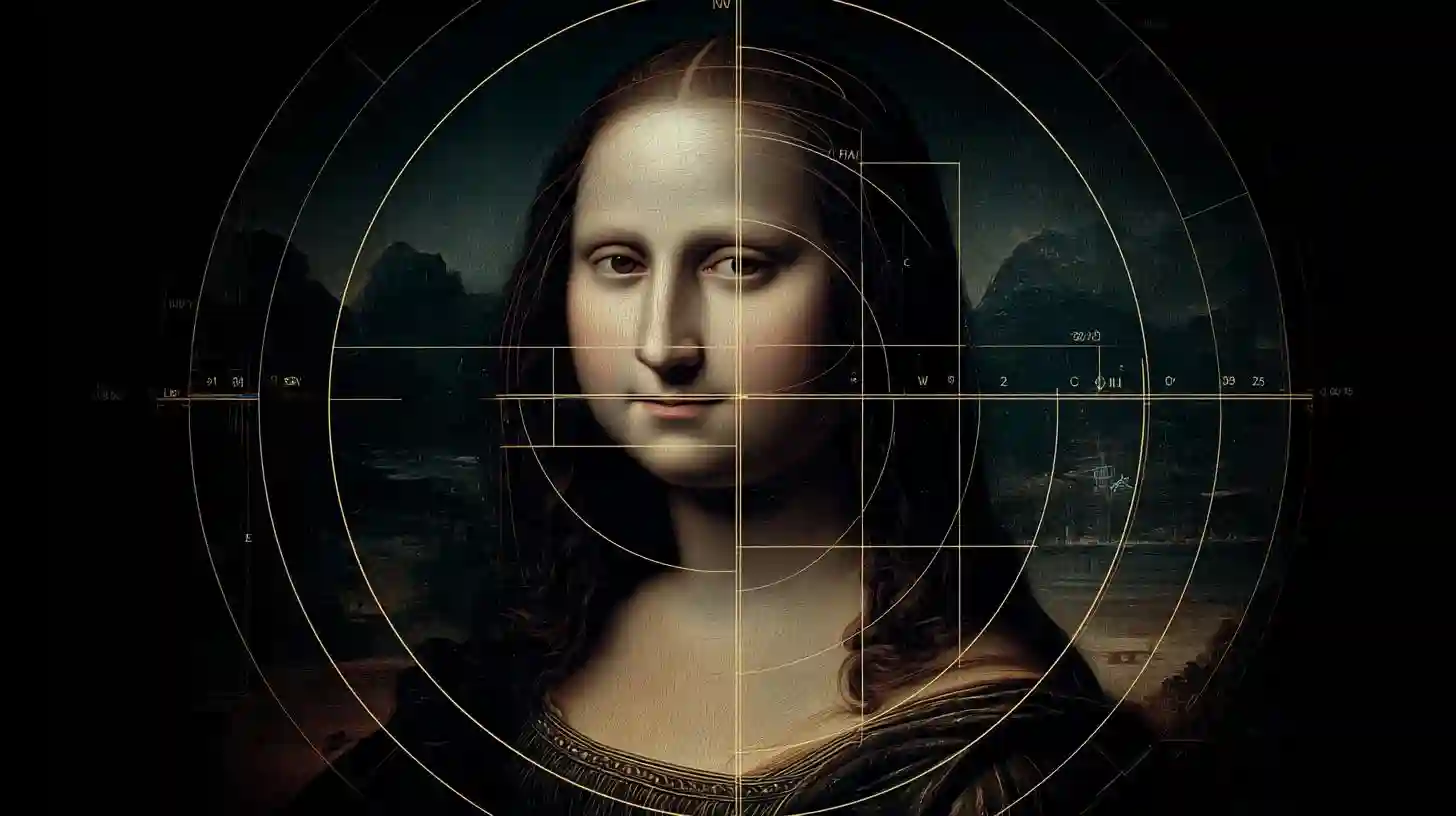
Leonardo da Vinci's Mona Lisa has mesmerized audiences for centuries, becoming one of the most iconic and widely recognized works of art in the world. Its enduring popularity is not just due to its artistic mastery, but also the mysteries surrounding it. The painting, housed in the Louvre Museum in Paris, has attracted millions of visitors from all over the globe. The fascination with Mona Lisa lies not only in its aesthetic beauty but also in the layers of complexity embedded in its creation, its enigmatic subject, and its significance within the history of art.
The first aspect that captures the attention of viewers is the technical brilliance of the painting. Da Vinci, known for his scientific approach to art, utilized revolutionary techniques in the Mona Lisa that were ahead of his time. The use of sfumato, a technique that blends colors and tones seamlessly, is one of the hallmarks of this painting. This technique allows for a soft transition between colors, especially in the face of the subject, creating a lifelike quality that is almost ethereal. The delicate modeling of the skin and the subtle gradation of light and shadow give the Mona Lisa an almost three-dimensional presence. Da Vinci’s deep understanding of anatomy is also evident in the portrayal of the face, particularly in the way he captures the human expression, which remains a subject of fascination for art historians and critics alike.
Another key factor that contributes to the painting's captivating nature is the mysterious expression of the subject. Mona Lisa’s smile has been a source of intrigue for centuries. Some viewers see it as serene and subtle, while others perceive it as elusive or even cryptic. The ambiguity of her smile has sparked numerous theories about her emotions and identity. Some believe that the slight upward curve of her lips indicates a moment of joy, while others suggest it reflects sadness or contemplation. The ambiguity of her expression invites the viewer to project their own emotions onto the painting, allowing for a deeply personal experience with the artwork.
Equally fascinating is the identity of the woman depicted in the painting. For many years, it was believed that the subject was Lisa Gherardini, a Florentine woman who was the wife of a wealthy merchant. This theory has been widely accepted, although there have been other suggestions throughout history. Some have speculated that the painting represents an idealized version of a woman, while others have even proposed that the figure is a self-portrait of da Vinci. The uncertainty surrounding the true identity of the Mona Lisa adds an element of mystery, encouraging ongoing debate among scholars and art enthusiasts alike.
The background of the Mona Lisa also plays a significant role in its allure. The landscape behind the subject is rendered in a way that gives it an almost dreamlike quality. The winding roads, distant mountains, and winding rivers seem to exist in a world beyond the confines of the canvas. The unusual juxtaposition of the serene figure with the dramatic and otherworldly landscape has led some to interpret the background as a representation of the human mind, filled with mystery and uncertainty. Others view it as a metaphor for the inner emotions of the subject, emphasizing the connection between the individual and the larger universe.
Mona Lisa’s captivating nature is also rooted in its journey through history. The painting has experienced a series of dramatic events that have only fueled its mystique. Perhaps most notably, the Mona Lisa was stolen from the Louvre in the early twentieth century, only to be recovered two years later. This theft brought international attention to the artwork, and its return to the museum only solidified its status as a cultural treasure. Additionally, the painting has been the subject of countless parodies and references in popular culture, further embedding it into the collective consciousness of society.
What makes the Mona Lisa so timeless is that it continues to inspire and provoke thought long after its creation. Each generation brings new interpretations and insights into the painting, ensuring its relevance in the contemporary world. Whether viewed as a masterpiece of artistic technique, a study in human emotion, or a symbol of enduring mystery, the Mona Lisa's ability to captivate the viewer remains unparalleled. It is a work of art that defies simple categorization, inviting endless exploration and contemplation. Through its enigmatic beauty and historical significance, the Mona Lisa remains one of the most profound and influential works ever created, forever holding the attention of those who gaze upon it.