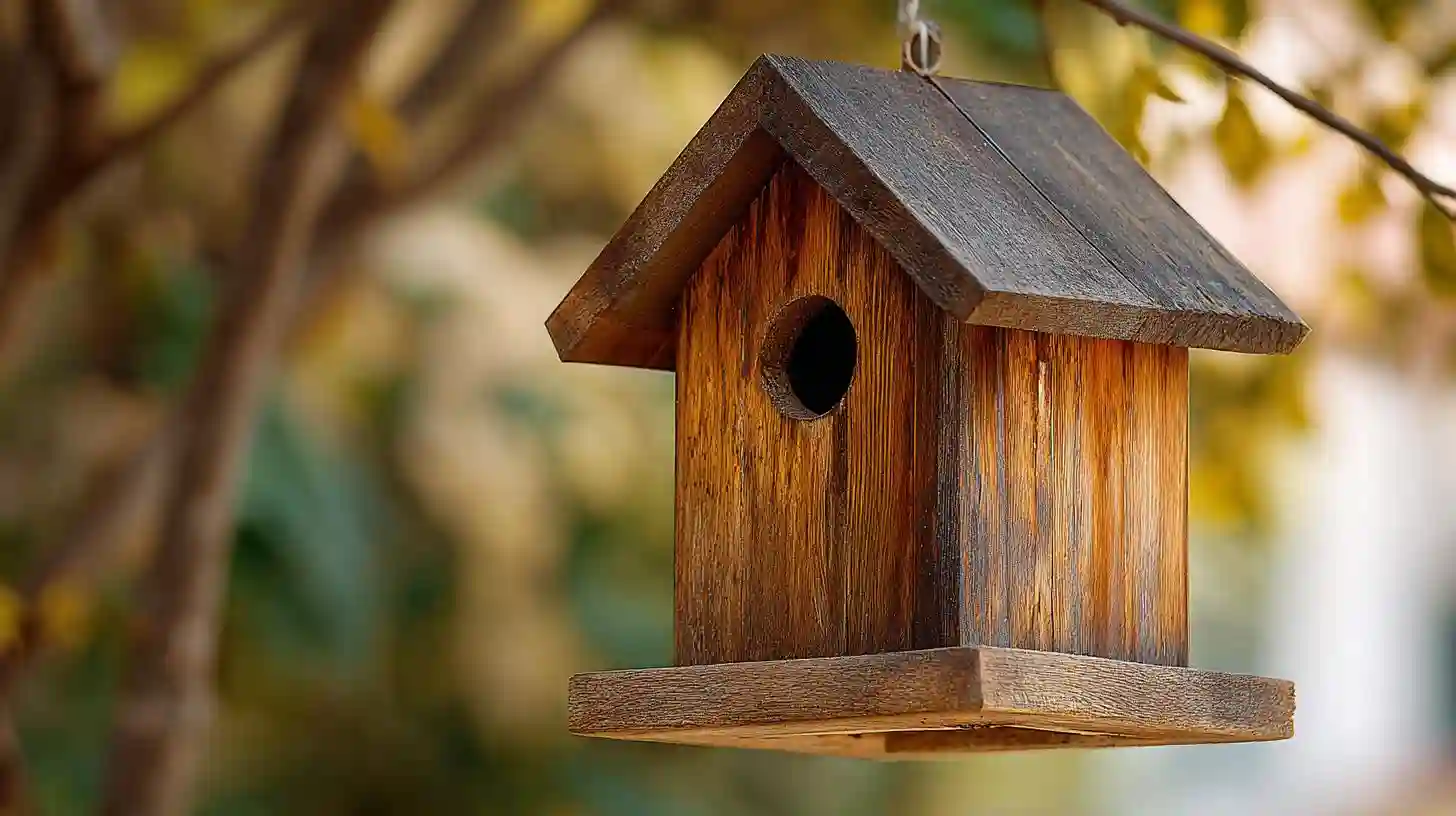
Creating a birdhouse that provides a safe and welcoming environment for birds begins with selecting the right materials. Natural, untreated wood is ideal because it ensures that birds are not exposed to harmful chemicals, and it also offers insulation to protect them from extreme temperatures. Cedar and pine are popular choices due to their durability and resistance to decay, while plywood can be used for some parts but should be avoided for the entire structure. Avoid using pressure-treated wood, as it can be toxic to birds over time. The size and shape of the birdhouse are essential factors, as different species have specific preferences for entry holes and interior space. A small opening will help keep predators out, while a roomy interior provides enough space for nesting and raising young birds. Ensuring proper ventilation and drainage is crucial for maintaining a healthy environment. Small holes or slots near the top allow air to circulate, preventing the interior from becoming too hot during the summer, and drainage holes in the bottom let rainwater escape, keeping the nest dry.
The location of the birdhouse significantly influences whether birds will take up residence. Choose a site that is sheltered from strong winds and direct afternoon sun, ideally near trees or shrubs that provide natural cover. Placing the birdhouse at an appropriate height helps protect birds from ground predators, with many species preferring elevated positions on poles, posts, or tree trunks. Ensure the mounting method is stable and secure, as a birdhouse that sways or tilts can disturb nesting birds. Avoid locations too close to human activity or areas where pets such as cats can reach easily, because excessive disturbance may discourage birds from using the birdhouse. Orientation is also important; facing the entrance away from prevailing winds helps maintain a comfortable temperature inside and prevents rain from entering directly.
Designing the interior of the birdhouse requires attention to details that promote comfort and safety. A rough surface on the interior walls allows fledglings to grip and climb more easily, while smooth surfaces can make it difficult for young birds to leave the nest. Avoid placing perches near the entrance, as these can make it easier for predators to access the nest. The depth and width of the house should match the species you hope to attract, as too deep or too shallow a space can make birds feel unsafe. Including a removable panel or hinged side facilitates easy cleaning after the breeding season, preventing the accumulation of parasites and old nesting materials. This maintenance not only keeps the birdhouse hygienic but also increases the chances of birds returning year after year.
Painting or sealing the exterior of the birdhouse requires caution, as strong chemicals can be harmful to birds. A light coat of water-based, non-toxic paint or stain on the outside only, leaving the interior untreated, can protect the wood from weathering while keeping the house safe. Natural colors that blend into the surroundings help the birdhouse remain inconspicuous to both birds and predators. Avoid bright or shiny colors that may draw unwanted attention or scare timid species. Overhanging roofs and slanted designs help prevent rainwater from pooling, which protects the structure and keeps the interior dry.
Observing and monitoring the birdhouse is an ongoing process that can provide valuable insights into bird behavior and nesting patterns. Installing a birdhouse camera or simply checking from a distance allows you to see which species are visiting without causing disruption. Make sure to clean the house between nesting seasons, removing old materials and inspecting for damage. Repair any cracks or loose boards, and replace worn components to ensure the birdhouse remains safe and durable. By paying attention to materials, design, placement, and maintenance, you can create a birdhouse that serves as a reliable sanctuary for birds, encouraging them to nest and thrive in your garden or backyard.