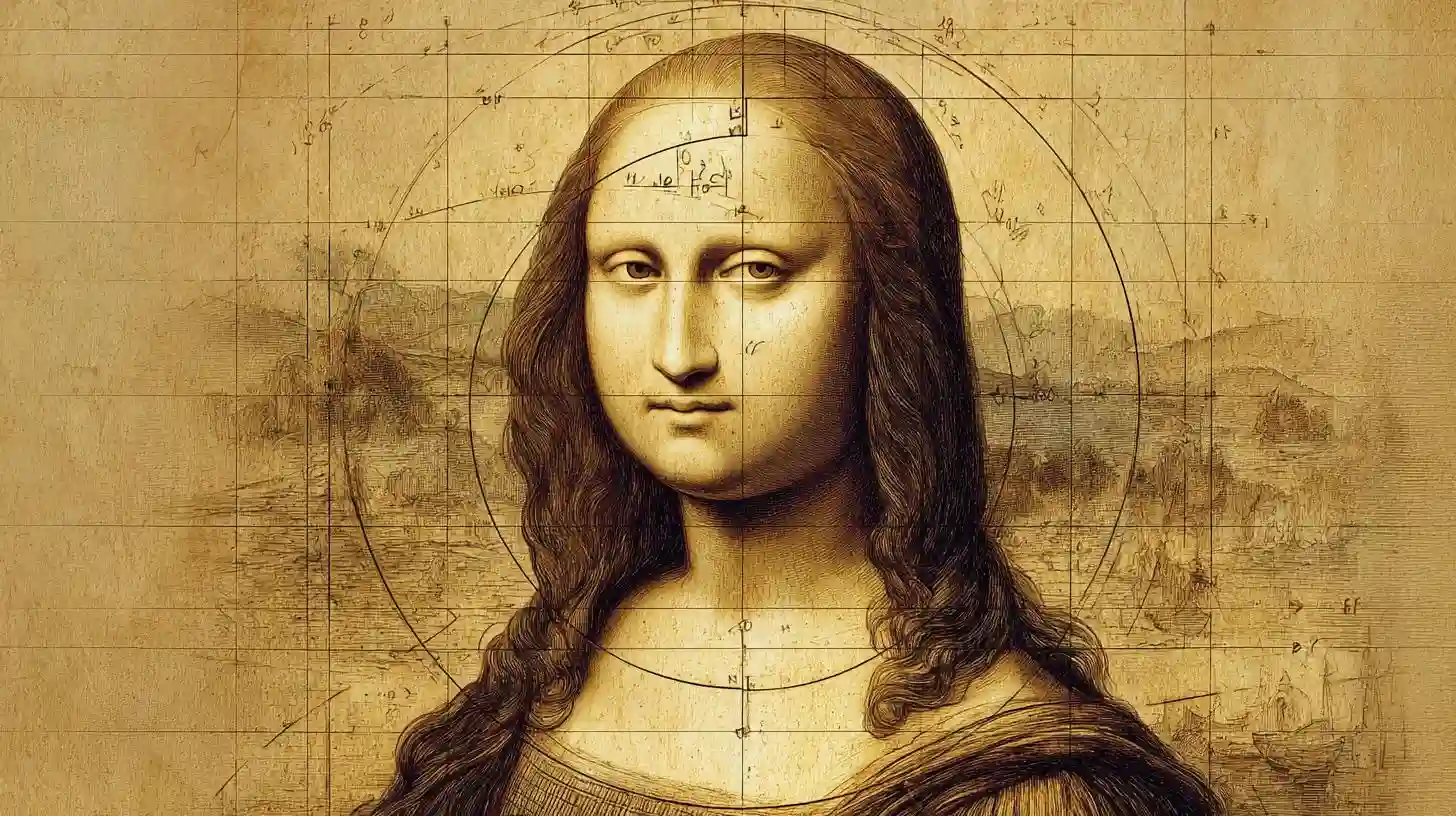
Leonardo da Vinci's Mona Lisa has endured as one of the most iconic and enigmatic works of art in the world. Despite being created over five centuries ago, it continues to captivate people from all walks of life, sparking debates, admiration, and intrigue. There are numerous reasons why this portrait holds such a special place in the history of art and in the hearts of those who encounter it. From its technical mastery to the mysterious allure of the subject's smile, the Mona Lisa remains a timeless treasure that resonates with both art enthusiasts and casual viewers alike.
At the core of the Mona Lisa's allure is Leonardo da Vinci's unparalleled skill in capturing the human form and emotion. His mastery of sfumato, a technique that uses subtle gradations of light and shadow to create soft transitions between colors and tones, allowed him to give the figure a lifelike presence that seems almost to breathe. The gentle blending of the face and the use of light to model the contours of the figure creates an illusion of depth, making the woman in the painting appear both real and ethereal. This level of realism was groundbreaking for the time, and it drew attention to Leonardo’s extraordinary ability to replicate nature in a way that had never been seen before.
The gaze of the Mona Lisa is another aspect that continues to stir fascination. Her eyes seem to follow the viewer no matter where they stand, a phenomenon that has sparked endless interpretations and theories. Some suggest that the positioning of her eyes is a deliberate part of da Vinci's composition, adding to the sense of mystery surrounding the figure. This effect is not just a physical trait but also an emotional one, as the subject's gaze creates a connection between the artwork and its viewer. The ambiguity of her expression, along with the sense that she is looking directly at the viewer, gives the portrait an almost hypnotic quality.
Perhaps the most discussed feature of the Mona Lisa is her smile. It is subtle, elusive, and appears to change depending on where the viewer focuses their attention. Some perceive it as a slight, serene smile, while others see it as a more playful or even enigmatic grin. This ambiguity in her expression has led to countless interpretations about the emotions and thoughts behind her smile. Scholars and psychologists alike have speculated about the Mona Lisa’s state of mind, with some suggesting that the smile may convey a sense of contentment, mystery, or even sadness. This uncertainty only adds to the painting’s intrigue, as it invites the viewer to project their own feelings and interpretations onto the figure.
The identity of the woman in the portrait has also been the subject of much speculation. While it is widely accepted that she is Lisa Gherardini, a Florentine woman, some theories suggest that she may represent an idealized version of womanhood, or even that the portrait could be a self-portrait of Leonardo himself in female form. These theories have fueled the painting’s mystique and continue to inspire curiosity about the true nature of the subject. The debate over her identity remains a central part of the Mona Lisa’s enduring popularity, as it encourages viewers to look deeper into the work and consider the layers of meaning that may lie beneath the surface.
Another factor in the Mona Lisa's lasting appeal is its history. The painting has survived theft, wars, and various periods of neglect, yet it has remained one of the most recognized and celebrated works of art in the world. Its time in the Louvre Museum, particularly after its return following its theft in the early twentieth century, has only cemented its status as a cultural and artistic symbol. The Mona Lisa’s journey through history adds a layer of mystique to its already enigmatic presence, as each new chapter in its story enriches its legacy.
The global fascination with the Mona Lisa also lies in its status as a cultural icon. Over the years, it has been reproduced, parodied, and referenced in countless forms of media, from advertisements to pop culture. Its image has become synonymous with art itself, a symbol of the pursuit of beauty and creativity. This widespread recognition has ensured that the Mona Lisa remains a part of the collective consciousness, not just as a painting but as an emblem of artistic achievement.
What truly sets the Mona Lisa apart is the way it continues to resonate with people on a personal level. Its simplicity and depth invite viewers to see themselves reflected in the artwork, whether through its enigmatic smile, the directness of the gaze, or the timeless beauty of the composition. Each person who stands before the painting may experience a different emotion or interpretation, making it an endlessly fascinating piece of art that transcends time, place, and culture. Leonardo da Vinci’s genius in creating this masterpiece, along with the mystery that surrounds it, ensures that the Mona Lisa will remain a source of inspiration and intrigue for generations to come.