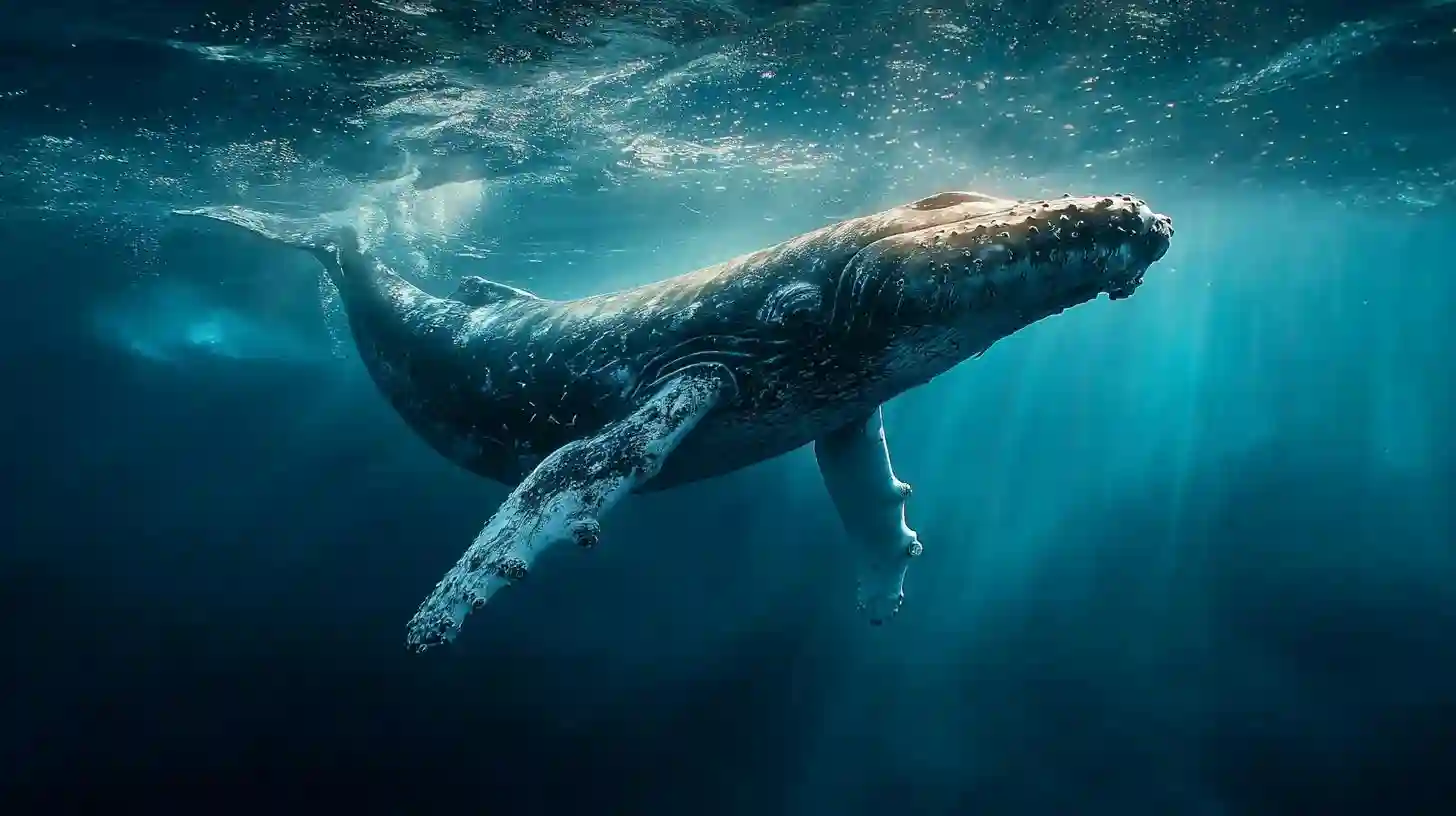
The animal kingdom is full of wonder and intrigue, with countless species possessing abilities that defy human understanding. From the depths of the ocean to the heights of the sky, these creatures have evolved remarkable traits that allow them to survive, thrive, and sometimes even perform feats that appear to be straight out of a science fiction novel. Some of these abilities serve as crucial survival mechanisms, while others offer insights into the extraordinary potential of life on Earth. One of the most awe-inspiring examples of this is the ability of certain animals to regenerate body parts. The axolotl, for example, is capable of regrowing entire limbs, spinal cord tissue, and even parts of its heart and brain. This remarkable skill has fascinated scientists for decades, as it offers hope for potential advances in human medicine. Research into how axolotls and other regenerative animals manage this feat could one day lead to breakthroughs in healing and tissue regeneration for people with severe injuries or degenerative diseases. Another phenomenon that has captured the imagination of researchers is the ability of some animals to sense changes in the environment in ways that humans cannot. The migratory patterns of birds, for instance, are often attributed to an innate ability to sense the Earth's magnetic field. This navigation skill, known as magnetoreception, allows birds to fly across vast distances, sometimes thousands of miles, without getting lost. While humans use compasses and GPS, these animals rely on a sense of direction that is far beyond our understanding. Similarly, sharks possess a sense called electroreception, which allows them to detect the electrical fields emitted by other animals. This ability is incredibly useful for hunting prey in murky waters where visibility is limited. Sharks can "see" the movements of prey through tiny electrical signals, which they detect with special sensors called ampullae of Lorenzini. This sensory adaptation is so refined that sharks can even sense the heartbeats of other animals. In the world of mammals, the extraordinary abilities of bats often go overlooked. Bats are the only mammals capable of sustained flight, and they also possess a sophisticated form of echolocation. This allows them to navigate in complete darkness and locate prey with astonishing accuracy. By emitting high-frequency sound waves and listening for the echoes that bounce back, bats create a detailed mental map of their surroundings. This echolocation ability is so advanced that it enables them to detect objects as small as a single insect, even when they are miles away. Some animals have evolved a natural defense mechanism that is both fascinating and deadly. The bombardier beetle, for instance, produces a chemical reaction in its abdomen that results in a boiling, toxic spray. When threatened, the beetle rapidly expels this substance in a fine spray at its attacker, deterring predators with its noxious fumes and extreme heat. This ability to defend itself through chemistry has been honed over millions of years, making the bombardier beetle one of nature's most formidable defenders. In the ocean, the cuttlefish stands out for its ability to change its appearance in an instant. By manipulating specialized skin cells called chromatophores, cuttlefish can adjust their color, pattern, and texture to blend seamlessly into their surroundings. This ability to camouflage is so precise that cuttlefish can even mimic the texture of the environment, such as the rough surface of a rock or the smoothness of sand. This skill not only helps them evade predators but also allows them to hunt more effectively by ambushing their prey. Perhaps one of the most mind-boggling abilities in the animal kingdom is the ability of certain species to communicate across vast distances using sound. Whales, for example, produce songs that can travel across entire ocean basins. These songs are not only a means of communication but may also play a role in mating rituals or territorial disputes. The vastness of the ocean allows these sounds to travel for hundreds or even thousands of miles, providing a unique form of communication that is unlike anything humans experience. In the insect world, ants demonstrate a form of social intelligence that is nothing short of impressive. These tiny creatures work together in large colonies to build intricate nests, gather food, and defend their queen. Their ability to communicate and cooperate in such large numbers is facilitated by the release of chemical signals called pheromones. These pheromones enable ants to work together seamlessly, with each individual contributing to the success of the colony. In some ways, the collective intelligence of an ant colony mirrors that of a single superorganism, as each ant works in harmony with the others to achieve shared goals. The animal kingdom, with all its strange and beautiful abilities, continually challenges our understanding of what is possible in the natural world. While we are limited by the constraints of our own biology, the extraordinary feats of these creatures serve as a reminder that the potential for wonder and discovery is boundless. These abilities have evolved over millions of years, finely tuned by the pressures of survival, and continue to inspire awe in those who take the time to observe them. Whether through regeneration, navigation, or communication, animals are constantly revealing the depth of nature’s mysteries and the incredible adaptations that allow life to flourish in even the most extreme environments.