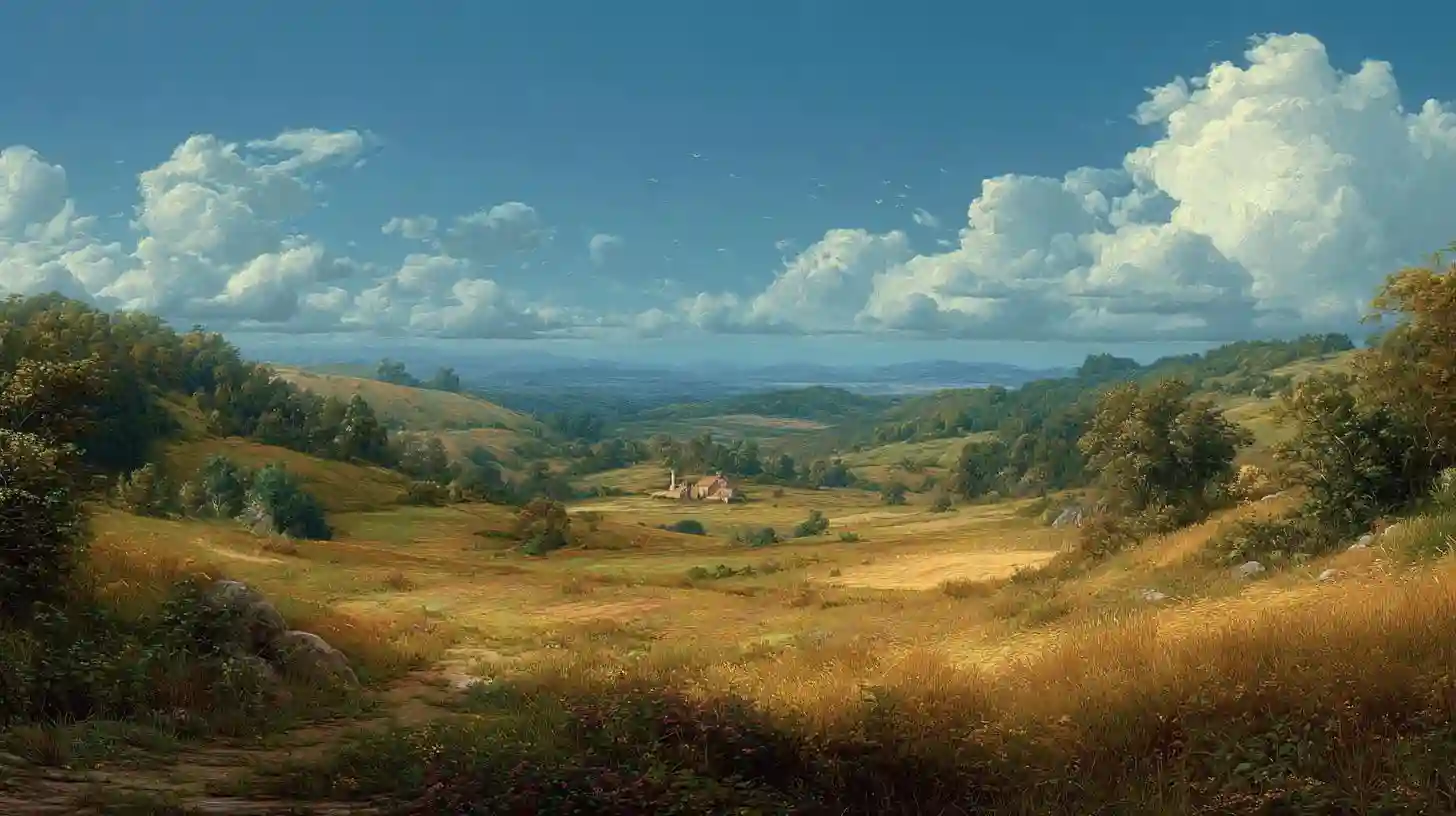
Pastoral poetry and painting have long been celebrated for their serene beauty, vivid imagery, and a sense of wistful longing. These forms of art transport their audiences to idyllic scenes where nature, far removed from the chaos of urban life, reigns supreme. Often associated with a rural, idealized landscape, pastoral works evoke a feeling of simplicity and purity, yet they carry a depth of emotional expression and thought that is anything but simple.
Pastoral poetry traces its origins to ancient Greece and Rome, where poets like Theocritus and Virgil shaped the genre through their depictions of shepherds and rural life. The early works were not just about rural settings; they were rich with metaphor and symbolism, portraying nature as a source of spiritual renewal and moral reflection. In Theocritus' "Idylls," the rural world is a place where humans and nature live in harmony, offering a contrast to the political and social tensions of city life. These early pastoral poems often featured conversations between shepherds or dialogues between humans and the divine, reflecting a deep connection with nature that was also a reflection of a simpler, more harmonious time.
As pastoral poetry evolved through the centuries, it maintained this central theme of nature's beauty, but began to absorb more layers of meaning. During the Renaissance, for instance, poets like Edmund Spenser and John Milton infused their works with classical influences while also introducing Christian elements. Milton’s “L’Allegro” and “Il Penseroso” exemplify this blend, offering a vision of nature that is simultaneously a celebration of the physical world and an expression of spiritual longing. In these works, the pastoral world becomes more than just a retreat from the harsh realities of life; it becomes a place where inner conflicts, personal desires, and moral dilemmas are played out against the backdrop of nature’s tranquility.
Similarly, pastoral painting has its roots in ancient and classical traditions, but its prominence grew during the Renaissance and Baroque periods. Early pastoral paintings were often inspired by the same classical ideals found in poetry, with artists like Giorgione and Titian creating lush, idealized landscapes populated by figures engaged in leisurely activities. These works highlighted the peaceful coexistence between humans and nature, suggesting a world of harmony, calm, and contemplation.
The classical tradition of pastoral painting reached its zenith in the works of French artists in the seventeenth century. The influence of Nicolas Poussin and Claude Lorrain, two of the most celebrated painters of the era, was crucial in shaping the genre. Their landscapes, though highly stylized, were infused with a sense of tranquility and divine order. The figures in their paintings often seem to be lost in thought or caught in moments of peaceful repose, emphasizing a connection to nature that transcends the ordinary. The landscapes themselves, meticulously composed with gentle rolling hills, flowing rivers, and distant mountains, provided a visual representation of the idealized world the poets had been writing about for centuries.
In the English tradition, the Golden Age of pastoral painting unfolded during the eighteenth century. Artists such as Thomas Gainsborough and Joshua Reynolds brought a new dimension to the genre, blending the pastoral ideal with the emerging Romantic sensibilities. Gainsborough’s portraits of country life, often featuring idyllic landscapes as backdrops, conveyed a sense of nostalgia and longing for a simpler, more pastoral existence. These works not only celebrated the beauty of nature but also suggested a more personal connection to the land and its inhabitants. The natural world became not only a setting but a reflection of the inner life of its human subjects.
Though often associated with an idealized vision of rural life, both pastoral poetry and painting carry a sense of yearning. This longing can be interpreted in different ways. For some, it is a desire to escape the complexities and challenges of modern life, to retreat to a simpler existence where nature offers solace and clarity. For others, it is a more profound yearning for connection—to nature, to a past time, or to a more authentic form of existence. Regardless of its interpretation, this sense of longing is a central element of the pastoral tradition, lending these works their emotional depth and timeless appeal.
In modern times, the pastoral ideal has become something of an escape from the pressures and disconnections of contemporary existence. Whether it’s the allure of unspoiled nature or the longing for a more innocent and carefree world, the pastoral remains a powerful symbol in art and literature. Yet even today, these works invite us to reflect on the complexities of life. The beauty of the natural world may seem simple and straightforward, but it is also capable of provoking deep thought and stirring emotions. Pastoral poetry and painting, though often associated with an idealized view of life, continue to offer a poignant reminder of the ways in which we seek meaning and connection in the world around us.