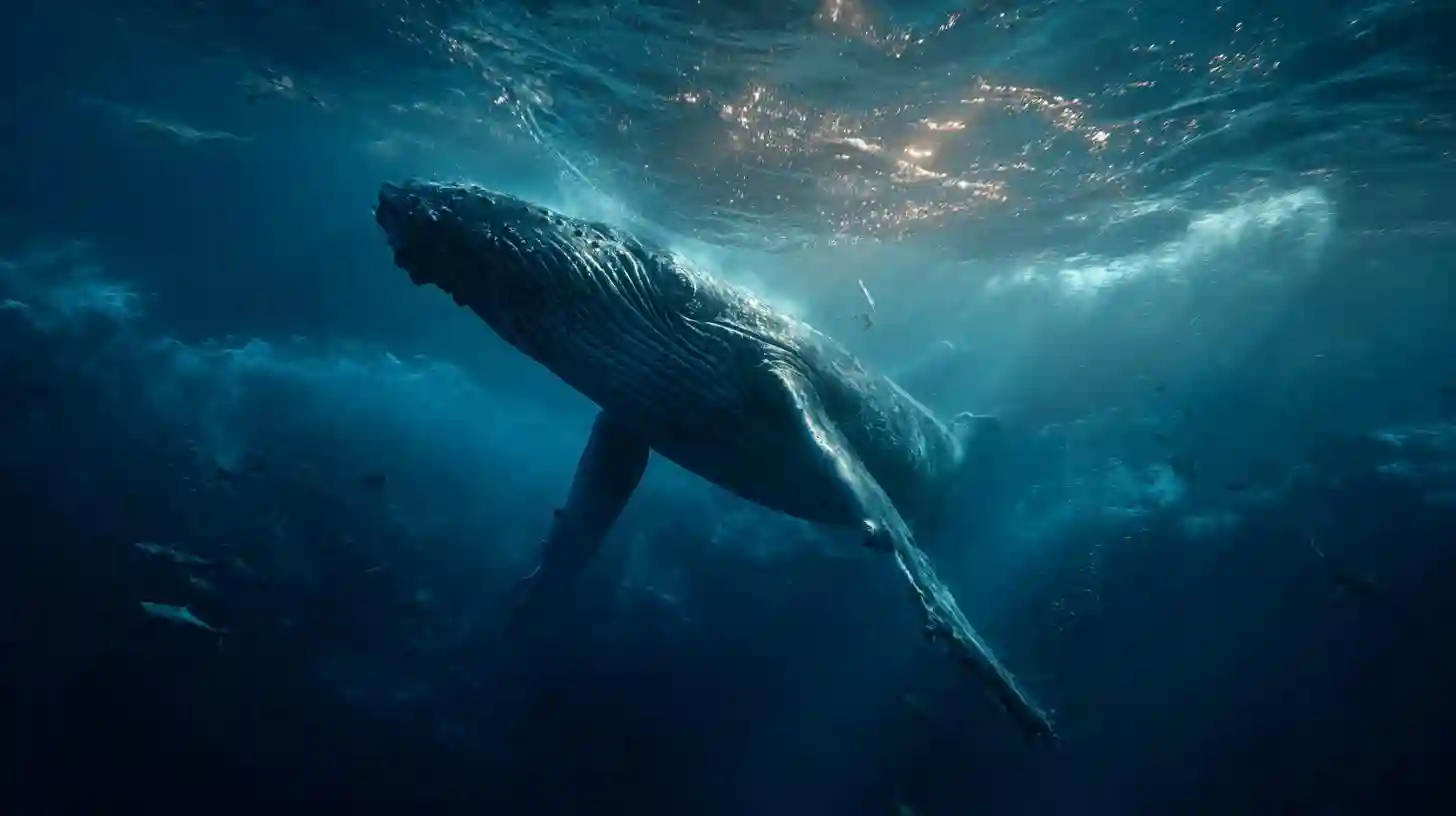
Whale falls are among the most dramatic events in ocean life, a drifting beacon of energy that reshapes the dark abyss around it. From the moment the body sinks to the seafloor, a cascade of ecological processes unfolds that can sustain a microcosm of life for extended periods, long enough to leave a lasting imprint on the surrounding community. The initial phase is a swift arrival of scavengers that forage through soft tissues, teeth, blubber, and viscera, drawing life from the whale with a hunger that ripples through the benthic realm. These visitors include large crustaceans, gastropods, and opportunistic predators that forage along the carcass like a moving island, carving pathways through the seafloor and opening niches for others. As the soft tissues diminish, the carcass becomes a structured habitat that offers shelter, substrate, and a concentrated patch of resources in a largely textural landscape of mud and rock. The next stage sees enrichment through the remains that remain embedded within the sands and on the bones themselves, attracting a different assemblage of organisms that specialize in detrital input and suspended material. Benthic invertebrates, small crustaceans, and a host of polychaetes arrive to feed on the influx of remains and the organic particles that disseminate into the surrounding habitat. The community evolves toward a more complex web as microbes colonize the interior and exterior surfaces, forming mats and films that set the stage for chemical transformations in the water and sediment. These microbial communities are not passive observers but active engines that convert the whale’s energy into chemical forms that can be used by other life above the threshold where light reaches and where photosynthesis can no longer sustain primary production. Among the most remarkable players are the bones themselves, which become a resource for bone-eating organisms that bore into and feed on the dense calcium structures. These specialists create microhabitats within the bones, enlarging cavities and altering the physical structure of the carcass over time, a process that feeds back into the broader community by exposing fresh surfaces for colonization and creating new micro-niches for small dwellers. The interplay of biological activity and geochemical processes gives rise to a sequence of functional communities tied to the changing conditions around the carcass. Hydrogen sulfide produced by anaerobic bacteria beneath the bones can fuel chemosynthetic microbial networks, supporting communities that rely on chemical energy rather than sunlight. In this way, whale falls give birth to a localized food web anchored by chemolithoautotrophy, a striking demonstration of life thriving in darkness through alternative energy pathways. The ecological significance of whale falls extends beyond the immediate site; they act as ephemeral oases that increase habitat complexity and create opportunities for species to establish, persist, or disperse in regions where resources are otherwise sparse. The temporary abundance of organic matter can promote biodiversity by subsidizing populations that would not otherwise encounter a steady supply of nourishment, and the diverse vertical structure of the fall fosters multiple layers of interaction, from scavenger forays at the outer reaches to intimate microhabitats within bone and sediment. Over time, the decay process integrates the carcass with the surrounding sediment and water, releasing nutrients that can influence the chemical milieu of the nearby seabed and inspire shifts in community composition that echo through adjacent habitats. Whale falls also serve as natural laboratories for scientists seeking to understand deep-sea ecology, ocean chemistry, and the resilience of life under extreme energy limitation. By examining how different organisms colonize, compete, and cooperate within these stages, researchers gain insights into evolutionary strategies, symbiotic relationships, and the limits of adaptation in the deep ocean. The legacy of a whale fall is thus not merely the memory of a single event but a record of how energy pulses move through an environment that often seems static and austere. In the end, these fallen giants remind us that life is braided through time by the impulses of energy, material, and space, capable of seeding entire communities from a single, drifting presence and leaving behind a tapestry of interactions that enrich the oceanic world long after the last piece has vanished.