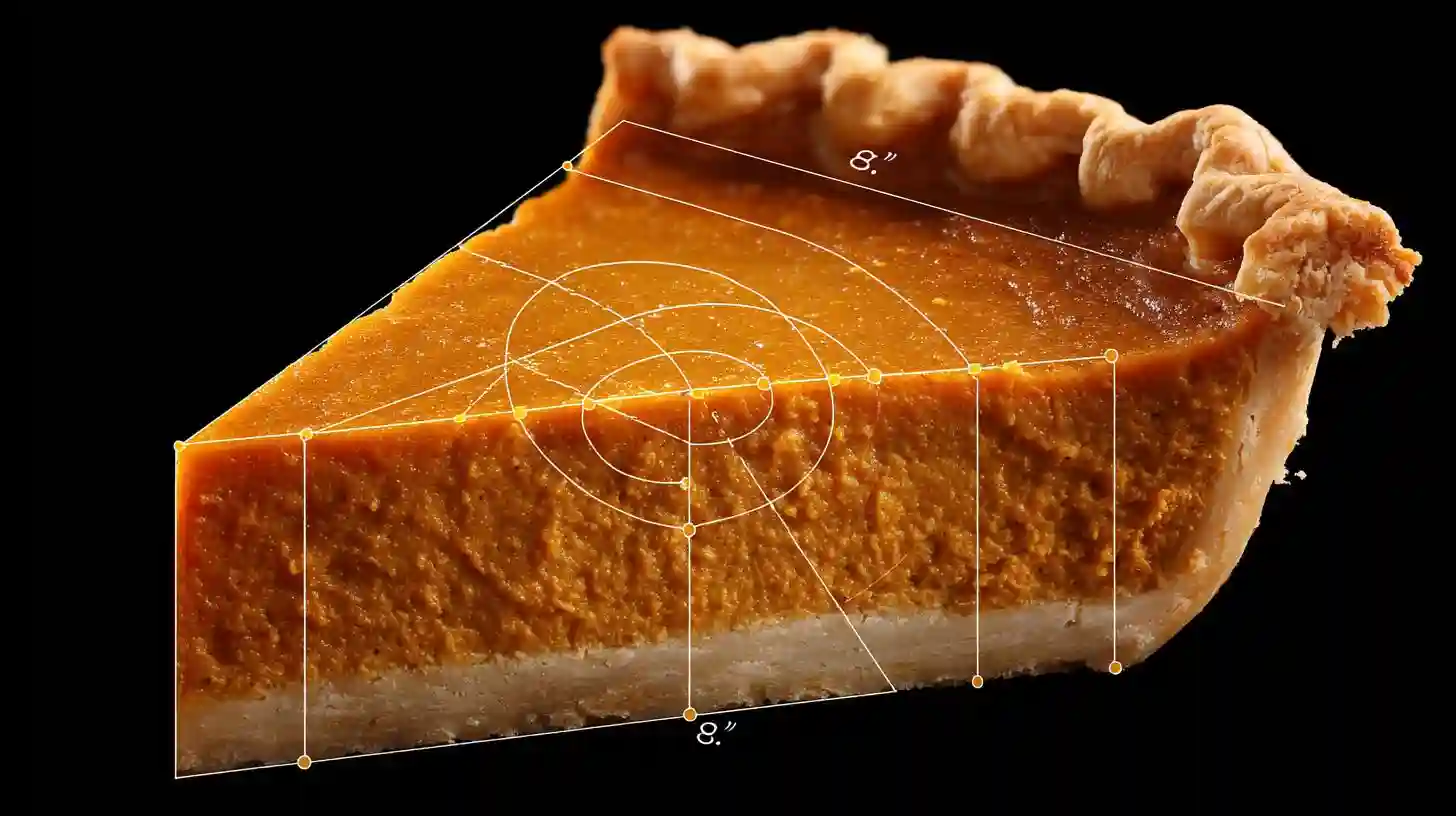
Understanding the common issue of a sweet potato pie that falls apart begins with recognizing that this dessert lives in a delicate balance of moisture, binding, and heat. A pie should feel like a cohesive whole, with the filling holding together as it is sliced and plated, yet many home bakers encounter a result that sheds its structure the moment a slice is lifted. Pressure points in the process can create a filling that seems to separate from the crust or crumble under gentle handling. By exploring where things can go wrong and how to adjust at each stage, it becomes possible to transform a fragile bake into a pie that glides through a clean break and presents a neat, creamy interior.
A frequent culprit is moisture. Sweet potatoes themselves are moist, and when they are mashed and blended into filling that mixture can retain more liquid than the custard needs. If the puree carries excess water, the filling may sag and fail to set firmly, which makes slicing messy and can cause the filling to feel loose or watery. The remedy begins with attention to how the potatoes are prepared. After cooking, the potatoes should be mashed until smooth and then coaxed toward dryness by pressing the mash through a sieve or squeezing it gently in a clean towel. The goal is a rich, dense puree that contributes body rather than pool of liquid. Straining the mixture lightly before combining it with the other components can make a noticeable difference. In some kitchens cooks let the puree rest briefly to allow any steam to vanish, which reduces the chance of steam pockets disrupting the final texture.
The binding agents in the filling play a pivotal part in whether the pie holds together. Eggs are the natural binder that unlocks a custard like structure when heated. If there are too few binding agents or if they are not integrated with the other ingredients in the right way, the filling can feel weak and prone to separation once cooled. The method of mixing matters as well. Whisking the eggs with sugar and then gradually blending in the warm or cooled potato mixture helps create a smooth, cohesive batter rather than a stratified one that can separate on baking. Temperature matters in this area; adding very hot liquid to eggs can cause curdling and an unstable texture. To avoid this, some bakers temper the eggs by introducing the warm potato mixture in slow, steady streams while whisking, then combine everything gently. Using a rich dairy component such as cream or evaporated milk contributes to creaminess and helps set the bound structure without creating a watery final product. If dairy is too thin or if it comes together too quickly with the eggs, a pie can seem featherweight and unstable. Room temperature ingredients blend more evenly, reducing the risk of lumps and seams that can act as weak points in the pie.
The crust is the sturdy frame that supports a well behaving filling. A crust that is under baked may not provide enough structure to cradle a thick filling, causing the edges to give way or the entire pie to appear unsteady when sliced. Conversely, a crust that is overly brittle from being overworked or baked too long can crack and crumble under the weight of the filling. The best approach is to pre bake the crust enough to set a light crust that still remains tender beneath the filling, and to consider docking the dough to prevent excessive puffing. Some bakers prefer a blind bake with weights or dried beans to keep the bottom flat and the crust from shrinking away from the dish. The goal is a crust that offers support without becoming soggy from steam and moisture migrating from the filling. When the crust finishes, a gentle cooling allows the bottom to firm up and hold the filling in place once the pie is cut.
The timing and method of baking and cooling influence how well the pie sets. If the filling is not allowed to set fully, it can seem pliable or loose, and a rough lift of a slice may pull the filling away from the crust. A steady bake that firms the edges while leaving the center slightly jiggly is often ideal, followed by a thorough but not overly aggressive cooling period. Cooling helps the filling finish setting as it reaches ambient temperature; a gentle rest at room temperature before chilling gives the custard a chance to tighten and harmonize with the crust. Finally, refrigerating the whole pie allows the texture to become cohesive and the flavors to settle. A slice that slices cleanly after a proper rest is a sign that the balance among moisture, binder, and heat has been achieved.
There are practical habits that can prevent future falls from happening. Start with choosing potatoes that are dense and dry when cooked, and ensure you drain and dry the mash thoroughly. Embrace the binding power of eggs and the creaminess of a substantial dairy component, and blend them with care to avoid curdling. Respect the crust by giving it a proper bake and by preventing sogginess through pre baked development or blind baking as needed. Finally, give the pie time to rest after baking and ahead of serving so the filling can settle into a unified, slice friendly texture. With patience and attention to moisture balance, binding, and crust structure, the familiar problem of a pie that falls apart fades, leaving behind a dessert that slices cleanly and holds together with a rich, satisfying yield on the plate. A well crafted sweet potato pie becomes more than a treat; it becomes a quiet testament to the art of balance in a humble dish.