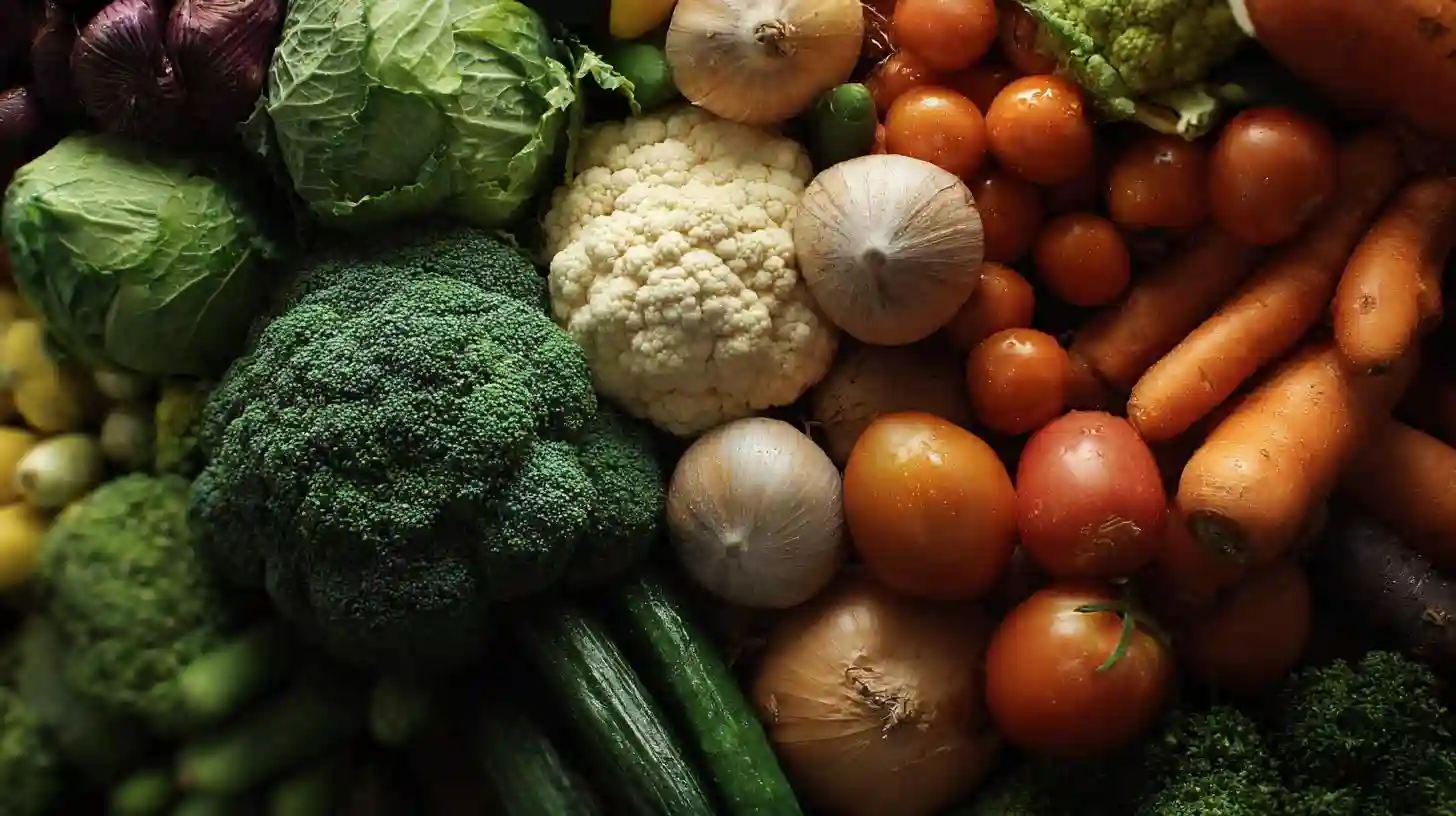
Are Organic Vegetables More Nutritious Than Regular Vegetables? Experts Weigh In. In discussions about nutrition people often ask whether how produce is grown changes its nutrient makeup. Scientists who study nutrition emphasize that the density of nutrients in vegetables depends on many interrelated factors including the plant variety, the soil it grows in, the climate during formation, harvest timing, and how quickly it reaches the table. When researchers compare organic and conventional farming, they frequently find differences that are not universal across crops or seasons. In some vegetables, organic growing conditions correlate with slightly higher levels of selected antioxidants or beneficial phytochemicals, while in other crops the measurements align with conventional counterparts. The practical takeaway is a nuanced landscape in which farming practices can nudge nutrient profiles in a direction, yet this effect is not predictable across all crops or growing conditions. Organic farming emphasizes soil health, composting, crop rotation, and avoidance of synthetic pesticides and fertilizers. Those practices can influence the microbial ecosystem in the soil and the way nutrients are absorbed by plants, which in turn can affect the plant’s defensive chemistry and the production of compounds that people associate with health benefits. Yet it is important to recognize that nutrient content per serving is the result of many moving parts, and the same vegetable grown with conventional inputs can reach similar or higher levels of some nutrients when conditions favor it. This variability means that making a blanket claim about organic superiority for nutrition is not supported by the current body of evidence. For consumers this translates into a message about both choice and balance. If avoiding pesticide residues is a priority, organic options can reduce exposure, although conventional produce is typically subject to safety standards that limit residue to very low levels and can be perfectly acceptable when washed and prepared properly. If environmental impact or soil stewardship matters to a person’s values, organic farming offers an approach that aims to preserve soil organic matter, conserve water, and promote biodiversity, which can be part of a broader plan for sustainable food systems. Another dimension that experts highlight is freshness and storage, which influence nutrient retention almost as much as farming practice does. Produce that is harvested at peak ripeness and kept at cool, stable temperatures retains vitamins and phytochemicals better than produce that travels long distances or sits on shelves for extended periods. In the real world many households buy a mix of organic and conventional vegetables and combine them in a varied diet that emphasizes color, texture, and flavor, and in doing so they naturally maximize the spectrum of compounds that support health. Nutrition researchers also remind us that the most reliable path to nutritious eating is not tied to any label but to a varied diet built around a wide array of plant foods, with goals of frequent intake, diverse species, and mindful preparation methods that minimize nutrient loss. For some listeners the debate is less about superiority and more about context: what crops are grown where, how they are grown, and how much a person can afford to incorporate into daily meals. The consensus among many experts is that quality vegetables, whether organic or conventional in origin, contribute valuable nutrients and bioactive substances that support growth, immune function, and long term wellness when they are part of a balanced diet. They encourage people to seek out fresh produce when possible, to include a spectrum of vegetables on plates, and to pay attention to cooking styles that preserve nutrient content, such as gentle heating for delicate greens and preserving moisture during cooking for heartier varieties. Ultimately the dialogue among researchers, clinicians, farmers, and consumers points toward a redirection of attention from a label to the broader picture of dietary patterns, agricultural practices, and lifelong habits. It is not a verdict that declares any system categorically superior, but a nuanced assessment that helps people navigate choices in a food landscape that is complex, variable, and shaped by a multitude of everyday decisions about what to eat, how it is grown, and how it is prepared.