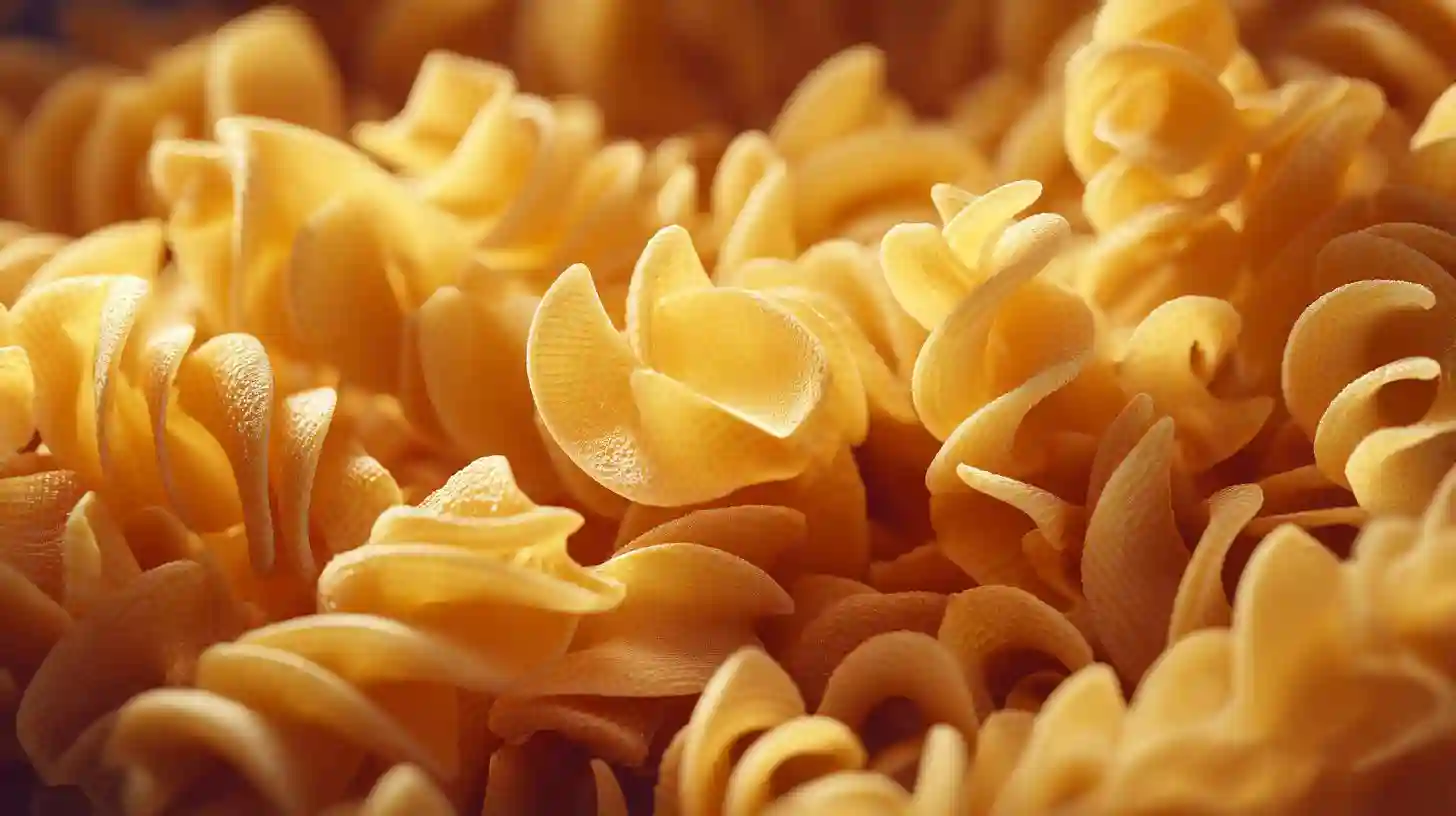
When it comes to cooking pasta, achieving the perfect dish may seem straightforward, but there are nuances that can elevate your culinary experience. First and foremost, the quality of the pasta is critical. Opt for durum wheat semolina pasta, as it has a firmer texture that holds up well during cooking. Fresh pasta, while delicious, cooks significantly faster than dried varieties, so pay close attention to cooking times for each type.
Choosing the right pot is also an important factor. Use a large pot with ample water for cooking pasta. When the pot is overcrowded, the pasta can stick together and cook unevenly. A good rule of thumb is to use around four to six quarts of water for every pound of pasta. This ensures that the pasta has enough space to move around freely while it cooks, enhancing its texture in the process.
Salt is a vital ingredient and should not be overlooked. Adding salt to the boiling water before introducing the pasta is essential for seasoning. This will infuse the pasta with flavor as it cooks. The water should taste somewhat like the sea, so don’t be afraid to be generous. Start with a tablespoon of salt per quart of water. Once the salt has dissolved and the water is at a rolling boil, it's time to add the pasta.
Stir the pasta gently after adding it to the pot to prevent it from sticking. This initial stir is crucial. As the pasta cooks, continue to stir occasionally, particularly in the first few minutes, to further ensure even cooking and to keep it from clumping. It’s important not to rinse the pasta once it has been cooked. Rinsing removes the starch that helps sauce adhere to the noodles, resulting in a less flavorful dish.
To achieve al dente perfection, closely monitor the pasta as it nears the end of its cooking time. "Al dente" means the pasta is firm to the bite, a texture most Italians prefer. Always refer to the package instructions for the recommended cooking time, but start tasting the pasta a minute or two earlier. This will help you develop a sense of when it's perfectly cooked based on your preference.
When the pasta is al dente, it's time to drain it. Avoid pouring the pasta into a colander without saving some of that precious cooking water. This starchy liquid can salvage a dry sauce or act as a binder when mixing the pasta with other ingredients. Reserve a cup of the cooking water before you drain the pasta.
Once drained, add the pasta directly to the sauce or pan where you plan to finish the dish. This unorthodox method allows for better integration between the pasta and the sauce. Carefully mix, using tongs or a large fork, and incorporate a bit of the reserved pasta water if the sauce seems too thick or if you want to achieve a creamier texture. This is a common trick used in Italian cuisine, allowing the pasta to absorb the flavors while creating a cohesive dish.
Fresh herbs can make a world of difference in enhancing the final dish. A handful of freshly chopped basil, parsley, or oregano adds brightness and freshness that dried herbs simply cannot replicate. Incorporate herbs at the last moment of cooking to preserve their vibrant color and flavor.
For those with a penchant for experimentation, consider exploring various sauces and add-ins. From classic marinara to creamy Alfredo or even a simple garlic and olive oil mixture, the options are nearly limitless. For a little kick, you can add red pepper flakes or a splash of lemon juice to elevate the flavor profile. Pairing pasta with vegetables, proteins, or a sprinkle of cheese can also enhance the meal, transforming it into a well-rounded offering.
In the world of pasta, the balance between ingredients plays a crucial role. Whether you prefer a light butter sauce, a rich ragù, or something completely unique, the ultimate pasta dish is a reflection of both personal taste and culinary techniques. The beauty of pasta lies in its versatility, making it a beloved staple across many cultures. Embrace the techniques discussed here, and you will not only improve your cooking skills but also elevate your enjoyment of this beloved food.