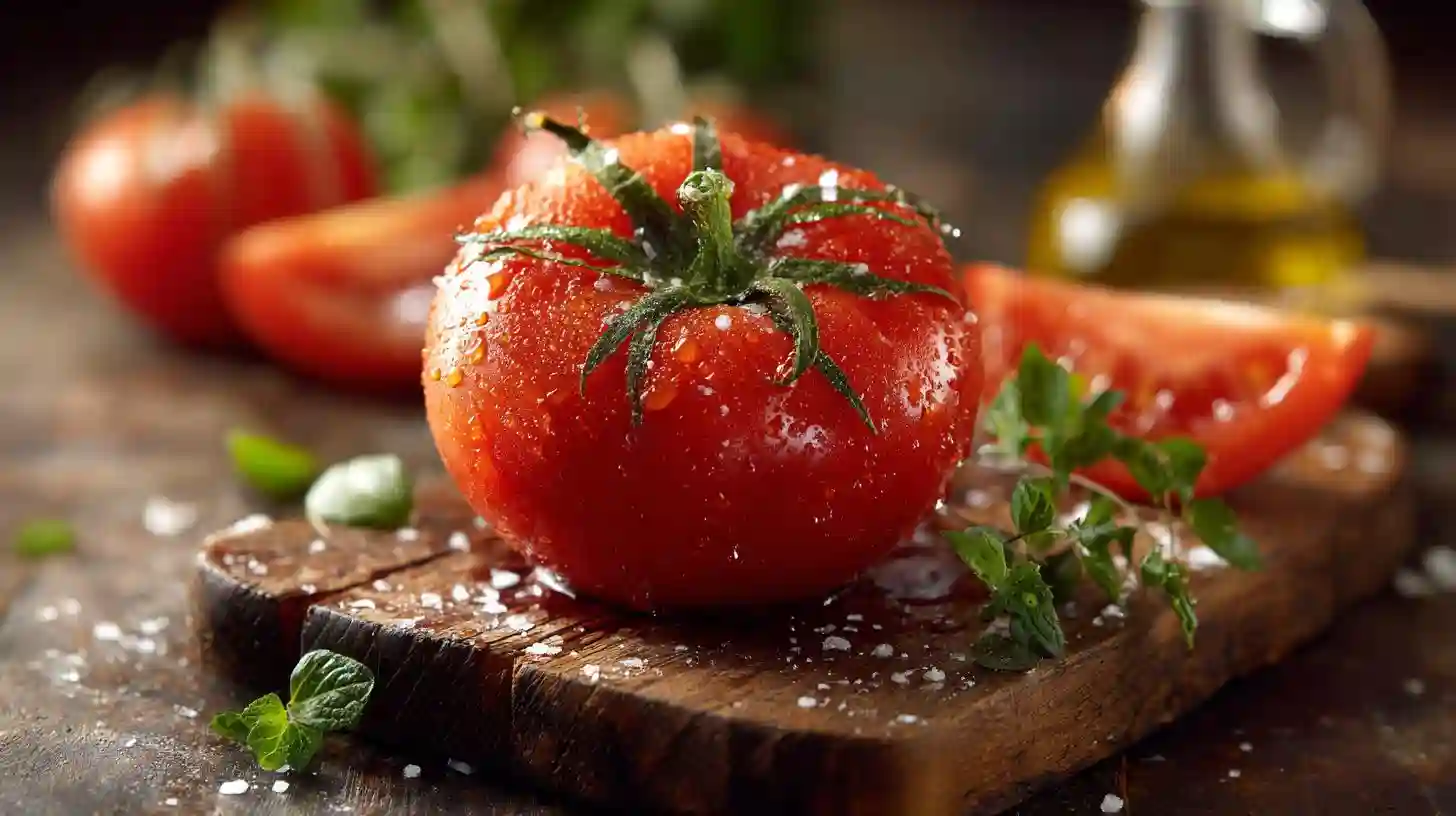
Crafting the perfect tomato sauce is both an art and a science, one that has been passed down through generations of home cooks and professional chefs alike. Tomatoes, known for their rich flavor and versatility, serve as the foundation for countless saucy creations. The beauty of tomato sauce lies not only in its simplicity but also in its capacity to adapt to different elements and occasions. The process of making a delicious sauce starts with sourcing high-quality ingredients, which is critical for achieving a flavor profile that excites the palate.
Choosing the right tomatoes is vital when preparing tomato sauce. Fresh, ripe tomatoes are ideal, and varieties like San Marzano or Roma are often preferred for their balance of acidity and sweetness. If fresh tomatoes are not in season, high-quality canned tomatoes can be an excellent substitute. Opt for whole peeled tomatoes packed in their juice rather than diced or crushed varieties. The reason for this lies in the flavor and texture; whole tomatoes allow for better control over the sauce’s consistency and taste.
Once you have selected the right tomatoes, preparing them is the next step. If using fresh tomatoes, blanching them is an effective way to remove the skin. Score the bottom of each tomato with a small “X,” then immerse them in boiling water for thirty seconds before transferring them to an ice bath. The skins will slip off effortlessly. For canned tomatoes, crush them gently with your hands before adding them to the pot. This allows their natural juices to be released, enriching the sauce.
The choice of aromatics adds depth to the sauce, enhancing its overall flavor. Commonly used ingredients include garlic and onion, both of which should be finely chopped. Sautéing these in olive oil adds a rich base to the sauce. The oil should be warmed in a heavy-bottomed pot over medium heat, allowing the garlic to become fragrant without browning. An important note is to remain vigilant, as overcooking the garlic can impart a bitter taste. Once the onion turns translucent and softens, it’s time to introduce the tomatoes.
Integrating herbs and spices will elevate your tomato sauce further. Fresh basil, oregano, and thyme are classic additions that bring earthiness and brightness to the dish. Incorporating herbs is often best done towards the end of cooking; this helps to preserve their vibrant flavors. If you prefer using dried herbs, add them earlier in the cooking process to allow their flavors to meld into the sauce. A pinch of red pepper flakes can also add a hint of heat that balances the sweetness of the tomatoes beautifully.
Simmering is a crucial stage in the sauce-making process. Once the tomatoes are added, allow the mixture to bubble gently. This slower cooking period enables the flavors to develop fully. A longer simmer typically results in a thicker sauce, allowing it to cling better to pasta or other dishes. During this time, it may be beneficial to stir occasionally to prevent sticking and to monitor the sauce's consistency. Should the sauce be too acidic, a small pinch of sugar can help balance the flavors.
For a smoother sauce, consider blending it. Once the tomatoes have cooked down to an ideal consistency, using an immersion blender or transferring the sauce in batches to a traditional blender can create a velvety texture. Alternatively, leaving some texture can also be quite delightful, as it offers a rustic feel. Ultimately, the choice between smooth and chunky lies in personal preference and intended use.
Seasoning is the final touch that brings your sauce to life. Tasting your sauce just before serving is essential. This is the moment to adjust the seasoning with salt, pepper, or additional herbs as necessary. A splash of red wine or balsamic vinegar can add complexity and balance, enriching the flavor without overwhelming it.
The versatility of tomato sauce allows you to pair it with various dishes, from pasta to pizza, and even as a base for stews or soups. Striking the right balance of sweetness, acidity, and herbal notes will create a sauce that resonates deeply with those who partake. Once perfected, tomato sauce can be easily adapted and modified to suit different preferences or dietary needs. This adaptability is why mastering tomato sauce is a rite of passage for many home cooks. With practice, anyone can refine their technique and create a sauce that reflects their unique culinary voice.