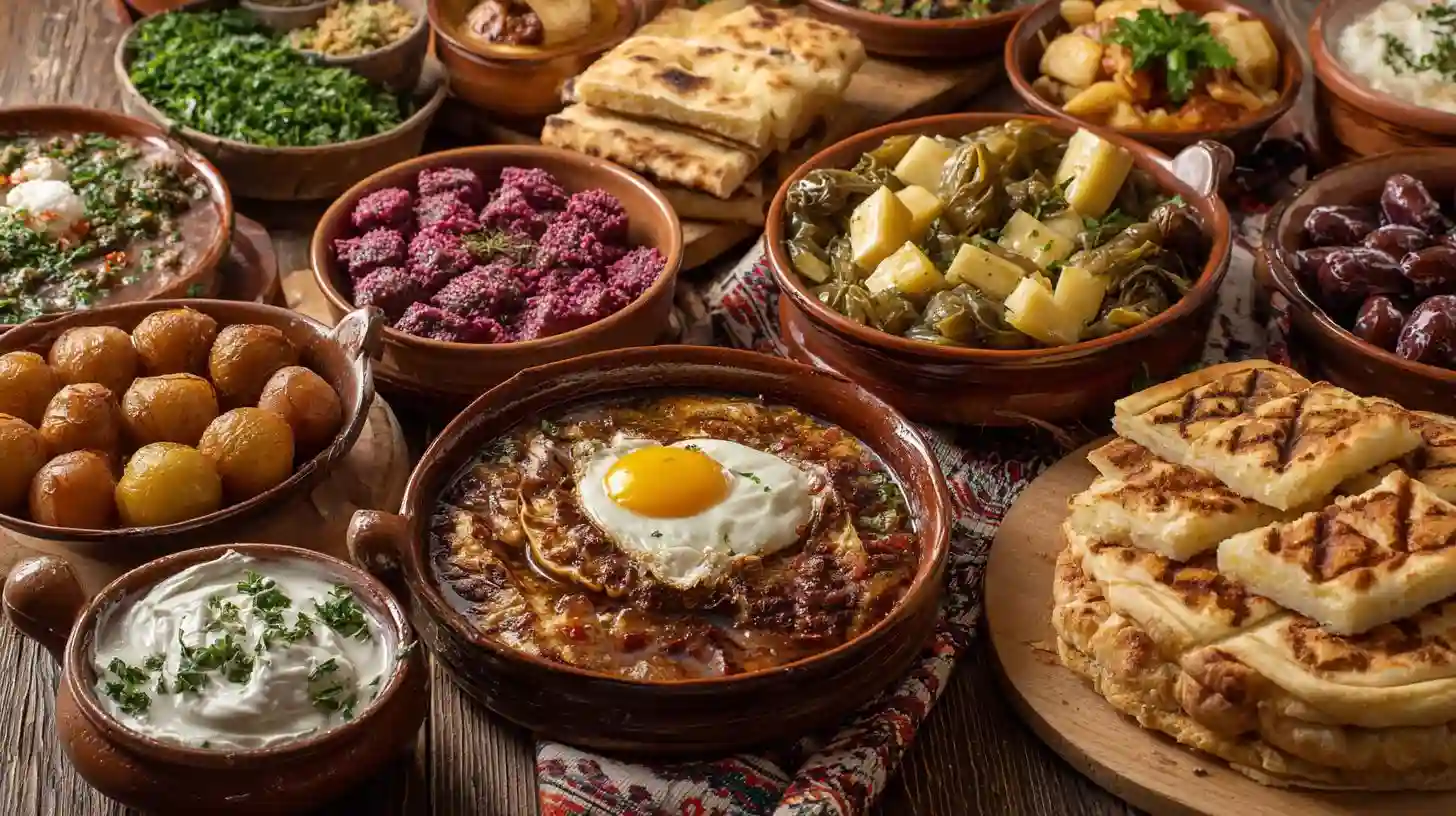
Georgian cuisine is a vibrant tapestry of flavors, influenced by its diverse geography, rich history, and unique cultural exchanges. At the crossroads of Eastern Europe and Western Asia, Georgia has fostered a culinary tradition that is both distinctive and exhilarating. From sun-drenched vegetables to premium meats, aromatic herbs, and bold spices, the country’s food reflects a respect for local ingredients and traditional techniques.
One of the cornerstones of Georgian cuisine is khachapuri, a dish that resonates deeply with both locals and visitors. This cheese-filled bread comes in various regional styles, with the most famous being the Adjarian khachapuri. This version, shaped like a boat, features a gooey mixture of cheeses topped with a pat of butter and a raw egg in the center, inviting diners to mix the ingredients together before enjoying each bite. The crust is often crispy, originating from bakeries that use traditional wood-fired ovens. Khachapuri is not just a meal but a beloved social food, shared amongst friends and family.
Another iconic dish is khinkali, the Georgian dumpling that embodies the country’s heart and soul. Filled with a variety of meats, spices, and herbs, khinkali is prepared with a unique technique that allows the dough to hold broth inside. Each dumpling is presented with a pleated top, and the correct way to eat them is to hold the top knot, take a bite, and sip the hot juices before savoring the flavorful filling. It’s often accompanied by a sprinkle of black pepper, enhancing the delectable taste experience. The art of making khinkali is not just about the cooking but also about the traditions and stories shared during the preparation.
Another specialty that highlights Georgia's agricultural richness is the remarkable selection of fresh vegetables and herbs. Dishes such as pkhali demonstrate the creative use of ingredients like eggplants, spinach, and beets, which are ground with walnuts, garlic, and a mix of spices. This vibrant spread not only captivates with its colorful presentation but also showcases the importance of greens and herbs in the Georgian diet. Frequently served with traditional cornbread known as Mchadi, pkhali can be a refreshing appetizer or part of a main meal.
For those with a penchant for meat, mtsvadi, or Georgian shashlik, is a must-try. Generally made from marinated pork, chicken, or lamb, the skewers are grilled over an open flame, giving them a smoky flavor enhanced by the char of the grill. Mtsvadi is often seasoned simply with salt and sometimes served with fresh herbs and a side of bread. The communal aspect of enjoying mtsvadi during gatherings or picnics underscores the importance of food as a bonding experience in Georgian culture.
The Georgian dining experience would be incomplete without the famous wine, which plays a vital role in both social and culinary life. Georgia is often regarded as one of the oldest winemaking regions in the world, with a history spanning thousands of years. The unique tradition of utilizing qvevri—large clay vessels buried underground for fermenting and aging the wine—leads to distinctive flavors that cannot be replicated. Rkatsiteli, Saperavi, and mtsvane are among the varietals that reflect the country’s dedication to quality and diversity. Pairing wine with meals is not merely about taste; it’s about celebrating friendships and honoring the ancient traditions passed down through generations.
No journey through Georgian cuisine would be complete without indulging in desserts, which often feature nuts, honey, and seasonal fruits. One beloved sweet treats is Churchkhela, often referred to as “Georgian Snickers.” These are made by threading walnuts on a string, dipping them in concentrated grape juice, and allowing them to dry. The result is a chewy, flavorful snack that provides energy and a taste of Georgia’s agricultural bounty. Furthermore, the rich flavor of Tklapi, a fruit leather made from pureed fruits and air-dried, captures the essence of homemade Georgian sweets that many remember enjoying during childhood.
Georgian specialties offer a rich tapestry of tastes and experiences, inviting everyone to partake in the country’s culinary heritage. From hearty breads and succulent meats to fresh vegetables and exquisite wines, each dish tells a story, reflecting the culture, history, and hospitality of Georgia. As meals become shared moments, both locals and visitors are encouraged to create lasting memories around the table, reminding us all that food is an expression of love, tradition, and connection.