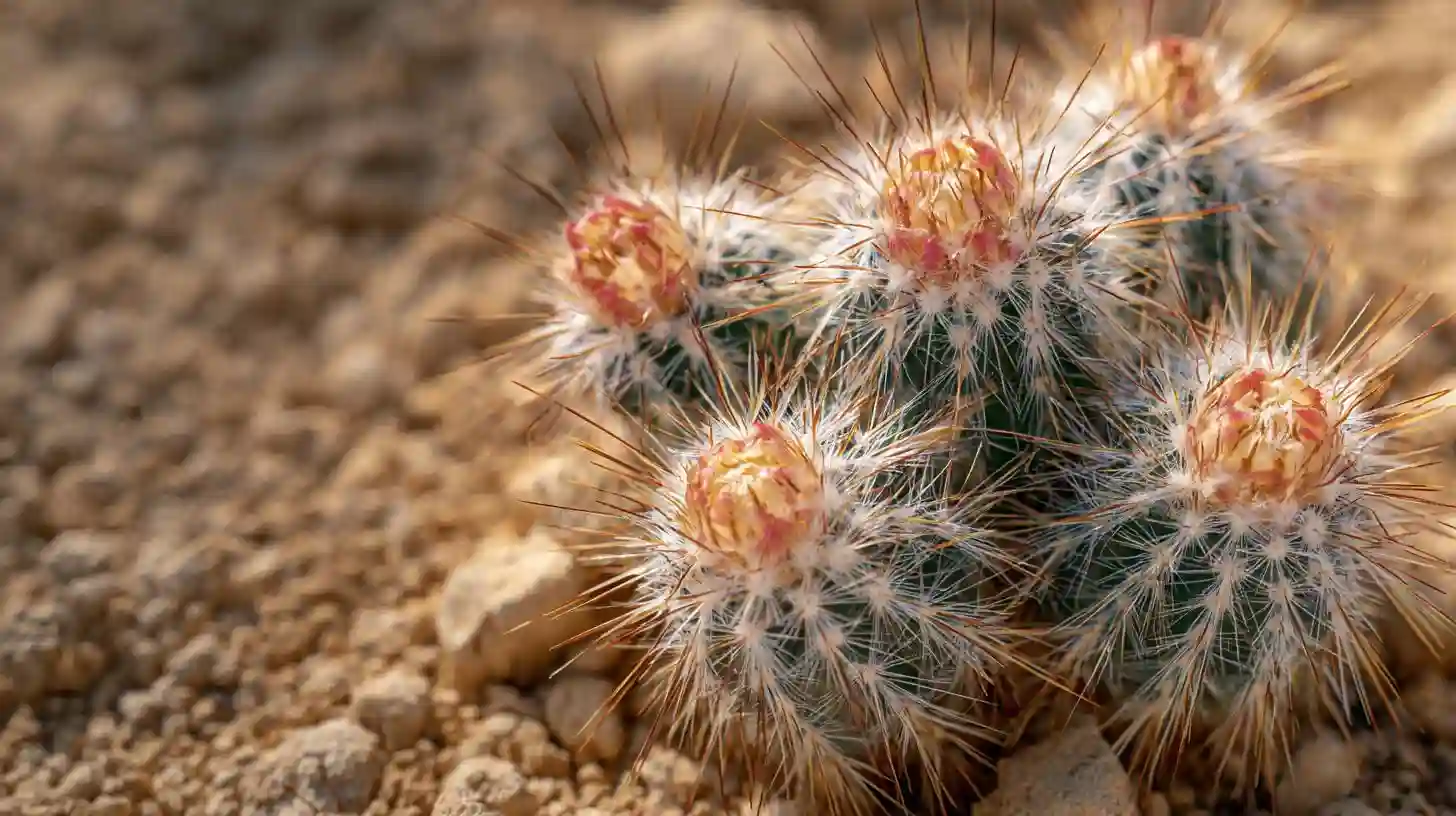
Cacti are remarkable organisms that have captivated the attention of scientists and nature enthusiasts alike. With their striking forms and vibrant flowers, they are not only aesthetically pleasing but also remarkable survivalists in one of the harshest environments on Earth: the desert. Their ability to thrive in extreme conditions has drawn extensive research, shedding light on the intricate mechanisms that allow them to endure drought, intense sunlight, and temperature fluctuations.
One of the most fascinating aspects of cacti is their unique morphological adaptations. These plants have evolved specialized structures to minimize water loss while maximizing water storage. Their thick, fleshy stems act as reservoirs, allowing them to store large quantities of water during rare rainfall events. In many species, the leaves have evolved into spines, reducing the surface area that can lose moisture through evaporation. This adaptation serves a dual purpose: it deters herbivores seeking a water source and provides some shade, helping to prevent overheating.
Cacti also demonstrate an impressive physiological response to their environment. Most cacti utilize a photosynthetic process known as Crassulacean Acid Metabolism, or CAM. Unlike traditional photosynthesis that occurs during the day, CAM allows cacti to open their stomata at night when temperatures are cooler, and humidity levels are higher. This strategy significantly reduces water loss. During the night, the plants take up carbon dioxide and convert it into malic acid, which is then stored in vacuoles. When daylight arrives, the stomata close to retain moisture, and the stored acid is converted back into carbon dioxide for photosynthesis.
Research has indicated that the biochemical pathways involved in CAM photosynthesis are not only crucial for survival but also demonstrate remarkable flexibility. Depending on the environmental conditions, cacti can switch their metabolic processes to adapt to periods of extended drought or sudden bursts of rainfall. This adaptability is a huge asset in the desert where conditions can change dramatically over short periods.
Another interesting adaptation is the relationship that cacti develop with microorganisms. Certain cacti species host beneficial bacteria and fungi known as endophytes, which live within their tissues without causing harm. These microorganisms can enhance the plant’s drought resistance by improving nutrient uptake and even producing growth-promoting compounds. This symbiotic relationship is a testament to the complexity of desert ecosystems, where cooperation can be as vital as competition.
The ability of cacti to endure extreme conditions also extends to their reproductive strategies. Many cacti have adapted to time their flowering and seed germination with the arrival of seasonal rains. During periods of drought, seeds can remain dormant for years, waiting for the right conditions to break dormancy and sprout. This strategic synchrony with environmental cues ensures that the next generation will thrive when the odds are most favorable.
In addition to these adaptations, cacti play crucial roles in their ecosystems. They provide shelter and food for a variety of desert-dwelling creatures, from birds and insects to mammals. The brightly colored flowers attract pollinators during their brief blooming period, ensuring that the cacti can reproduce and sustain future generations. The ecological importance of cacti extends to their ability to stabilize the soil with their root systems, preventing erosion and supporting other plant species.
The research surrounding cacti and their survival strategies is not merely of academic interest; it has profound implications for understanding resilience in the face of climate change. As temperatures rise and rainfall patterns become more erratic, studying how cacti adapt could inform conservation efforts for other vulnerable species. Scientists are examining how these resilient plants might hold key insights for agricultural practices, especially in arid regions where water scarcity is becoming an increasing challenge.
Innovations inspired by cacti are being explored in various fields, including water conservation technologies and sustainable agricultural practices. The ability of cacti to store water efficiently and thrive in minimal conditions is leading to research into new methods for irrigation and crop resilience.
Through the lens of cacti, we gain not only a deeper appreciation for these fascinating plants but also an understanding of the underlying principles of survival in extreme environments. The findings serve as a reminder of the importance of biological diversity and the need to protect natural habitats that harbor these resilient species. As researchers continue to study cacti and other desert flora, the insights gained may guide us toward more sustainable interactions with our environment, illuminating the intricate interconnectedness of life on our planet.