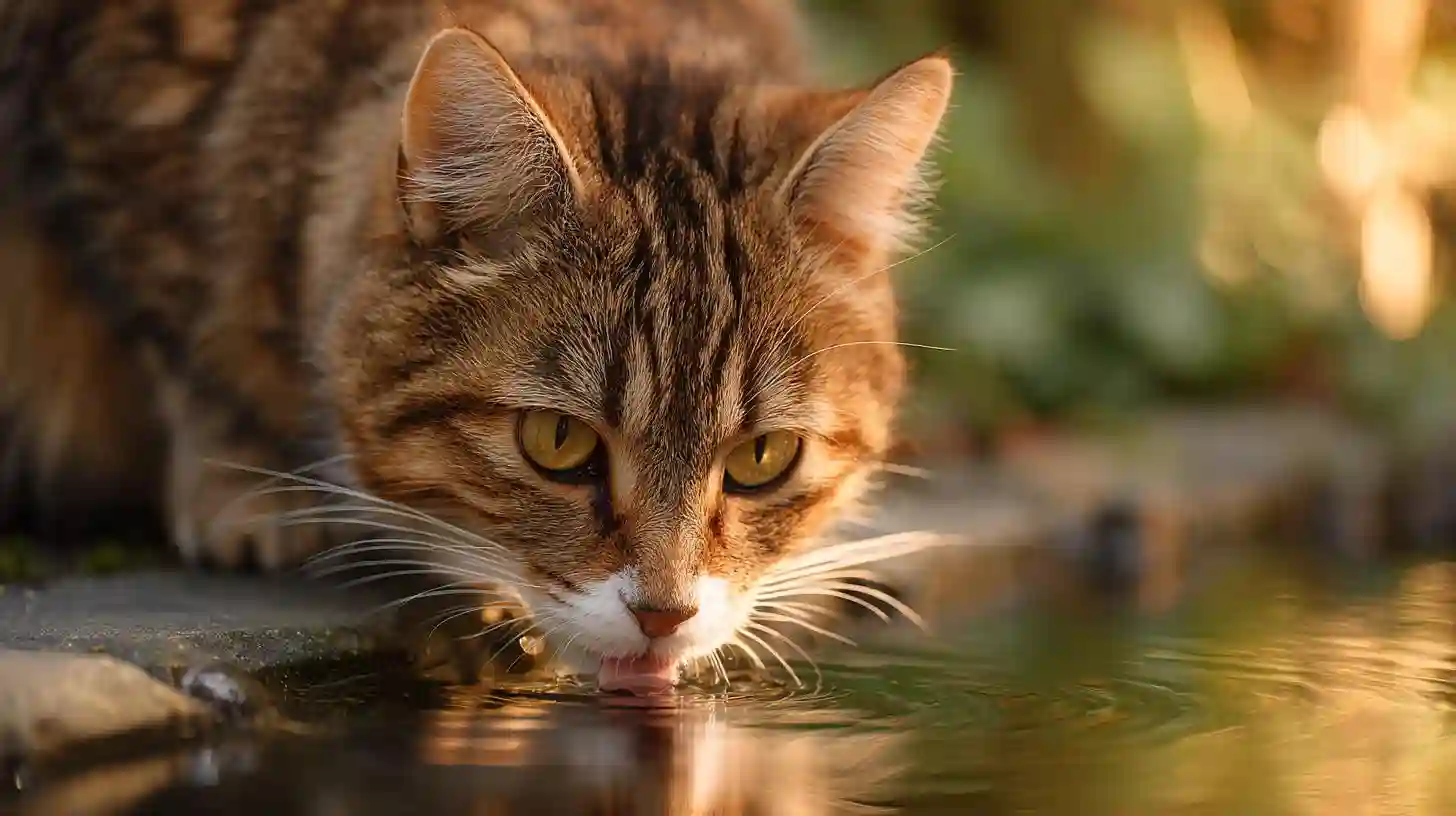
The health of our feline companions encompasses various aspects, one of which often gets overshadowed by more prominent issues such as diet, weight management, or grooming: hydration. While cats are known for their independent and sometimes aloof demeanor, proper hydration plays a crucial role in their overall health. Many pet owners may not fully grasp the essential relationship between water intake and a cat’s well-being, often assuming that their pets are getting sufficient fluids through their food or simply don’t require much water. However, this belief can lead to significant health problems down the line.
Cats are unique in how their bodies handle water. Their ancestors, the desert-dwelling felines, evolved to survive on minimal water intake, primarily drawing moisture from their prey. As a result, modern domestic cats have retained some of this capability and might not drink water as frequently as we might expect. This behavior can create a false sense of security for pet owners, who may not recognize the signs of dehydration or truly understand the water needs of their pet.
A cat's hydration needs can vary based on numerous factors such as age, weight, activity level, and overall health status. While a cat’s natural instinct might drive it to drink only small amounts of water, not all cats will instinctively meet their hydration needs, especially if they are fed dry food. Dry kibble lacks adequate moisture, and while many cats may nibble on it throughout the day, they might not compensate for the lack of water content. Consequently, feeding a diet high in dry food can inadvertently lead to chronic dehydration, with potentially severe consequences for the feline body.
Dehydration is not merely a minor concern; it can have significant repercussions. One of the most critical roles of water in a cat’s body is its involvement in maintaining kidney function. The kidneys filter toxins and waste from the bloodstream, and without proper hydration, their ability to function efficiently diminishes. This decreased efficiency can lead to urinary tract problems, including urinary crystals or stones, a common issue in male cats. These conditions can be painful and may require surgical intervention in severe cases. Additionally, chronic dehydration can contribute to kidney disease over time, a condition that often leads to serious health complications and can significantly affect a cat’s quality of life.
Another aspect of hydration that is often overlooked is digestion. Water is vital for the digestive process and helps transport nutrients throughout the body. Insufficient water intake can lead to constipation and more serious gastrointestinal issues. Cats suffering from constipation may exhibit signs of discomfort, including straining to defecate or producing hard, dry stools. Maintaining adequate hydration allows for smooth digestion and regular elimination, contributing to overall health.
Given the intricacies of feline hydration, pet owners must take proactive steps to ensure their cats are drinking sufficient amounts of water. Incorporating wet food into a cat’s diet is one effective strategy. Many cats are more inclined to eat wet food, which often contains higher moisture content compared to dry kibble. Transitioning to a diet that includes wet food can provide a significant boost in hydration levels. Additionally, placing fresh water bowls in multiple locations throughout the home can encourage more frequent drinking. Some cats may prefer running water, so investing in a cat water fountain can be an excellent solution to stimulate their interest in drinking.
It’s crucial to monitor your cat's drinking habits and overall health for any changes. Signs of diminished water intake or dehydration include lethargy, dry mouth, dry nose, and loss of skin elasticity. Regular veterinary check-ups can help detect potential health problems early, including those related to hydration. Your vet can also offer advice on proper nutrition and hydration tailored to your cat’s specific needs.
Being attentive to hydration is one of the more subtle aspects of owning a cat that cat owners should prioritize. With proper awareness and proactive strategies, we can ensure our feline friends remain healthy, happy, and fully hydrated. By facilitating a lifestyle that prioritizes access to fresh water, the right nutritional balance, and regular monitoring, we can contribute significantly to our cat's longevity and overall quality of life. Cats may have a reputation for their independence, but their health ultimately depends on the care and attention we are willing to provide. Taking a closer look at their hydration needs can be one of the most rewarding steps we take as responsible pet owners.