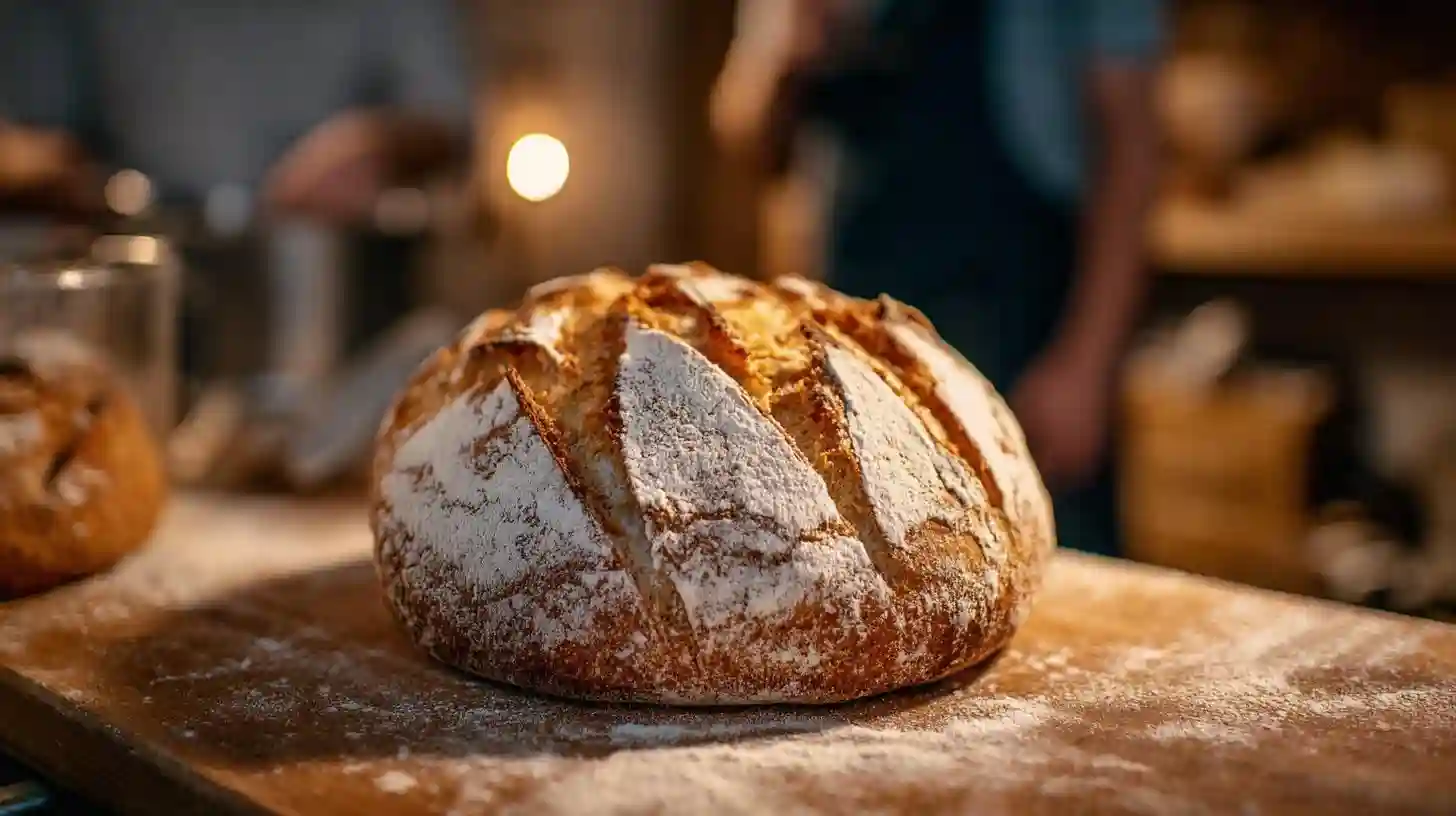
Baking the perfect bread at home is an art that combines science, technique, and a dash of patience. There are many factors that play a role in achieving that golden crust and fluffy interior. Understanding the essential ingredients, mastering the mixing and kneading processes, and embracing various baking techniques can elevate your homemade bread game.
The foundation of any great bread begins with quality ingredients. Flour is the primary component, and different types of flour have unique properties. Bread flour contains a higher protein content, which contributes to gluten development, giving the bread structure and chewiness. All-purpose flour can be used, but it may yield a softer texture. Whole wheat flour adds a nutty flavor and additional nutrients, but it can make the dough denser. Choosing the right yeast is also crucial. Active dry yeast and instant yeast can be used interchangeably, but instant yeast allows for faster rising since it can be added directly to the flour.
Water is another essential ingredient. The temperature of the water can influence how yeast activates. Using lukewarm water (about body temperature) encourages yeast to thrive, while cold water may slow down the fermentation process. Salt, although often considered an optional ingredient, serves multiple purposes. It enhances flavor, strengthens gluten, and controls yeast activity. Balancing the amount of salt is vital; too little can result in bland bread, while too much can inhibit the yeast.
Mixing the dough is a critical step in the bread-baking process. Begin by combining the dry ingredients thoroughly to ensure even distribution of the yeast and salt. Gradually incorporate the wet ingredients. Once the ingredients come together, it’s time to knead. Kneading gives the dough its elasticity, developing the gluten and allowing the bread to rise properly. Knead the dough for several minutes until it becomes smooth and elastic. If you’re uncertain whether the dough is ready, perform the windowpane test: stretch a small piece of dough between your fingers. If it forms a thin, translucent membrane without tearing, it's sufficiently kneaded.
Fermentation is the next essential phase, wherein the dough rises and develops flavor. This process occurs when yeast feeds on the sugars present in the flour, producing carbon dioxide gas, which causes the dough to expand. During the first rise, cover the dough with a damp cloth or plastic wrap to prevent it from drying out. The dough should roughly double in size. Factors like temperature and humidity can influence rising time, so always keep an eye on the dough rather than strictly adhering to a clock.
Once the first rise is complete, it’s time to shape the dough. Gently deflate the dough to remove excess gas while retaining as much of its structure as possible. There are various shaping techniques; for a loaf, gently stretch the dough into a rectangle and roll it tightly. Pinch the seams to seal it. For round loaves, shape the dough into a tight ball by cupping your hands around it. After shaping, let the dough rise again. This second rise usually takes less time and contributes to a lighter, airier final product.
While the dough rises once again, heat your oven. Preheating is important to achieve that perfect crust. If you’re using a baking stone, place it in the oven during preheating, allowing it to reach a significant temperature which will help produce steam when the loaf meets the hot surface. Steam plays a critical role in creating a crusty exterior. You can achieve steam by placing a pan of water at the bottom of the oven or spritzing water into the oven shortly after the bread goes in.
When it comes time for baking, scoring the top of the loaf before it enters the oven is important. Scoring allows the bread to expand while baking, preventing it from bursting unpredictably. Use a sharp razor blade or a bread lame to make shallow cuts in the surface.
Baking times can vary based on the loaf size and specific recipe, but typically, bread should be baked until it reaches a golden-brown color and sounds hollow when tapped on the bottom. To ensure that bread is baked through, using a thermometer can help; the internal temperature should register around 190 to 200 degrees Fahrenheit for most loaves.
Cooling bread on a wire rack is the final step. This allows steam to escape and prevents sogginess. Waiting for the bread to cool before slicing is tempting, but doing so lets the crumb set properly, enhancing the texture. Enjoy your warm, freshly baked bread with butter, jam, or any topping you desire, knowing that you've mastered the art of homemade bread.