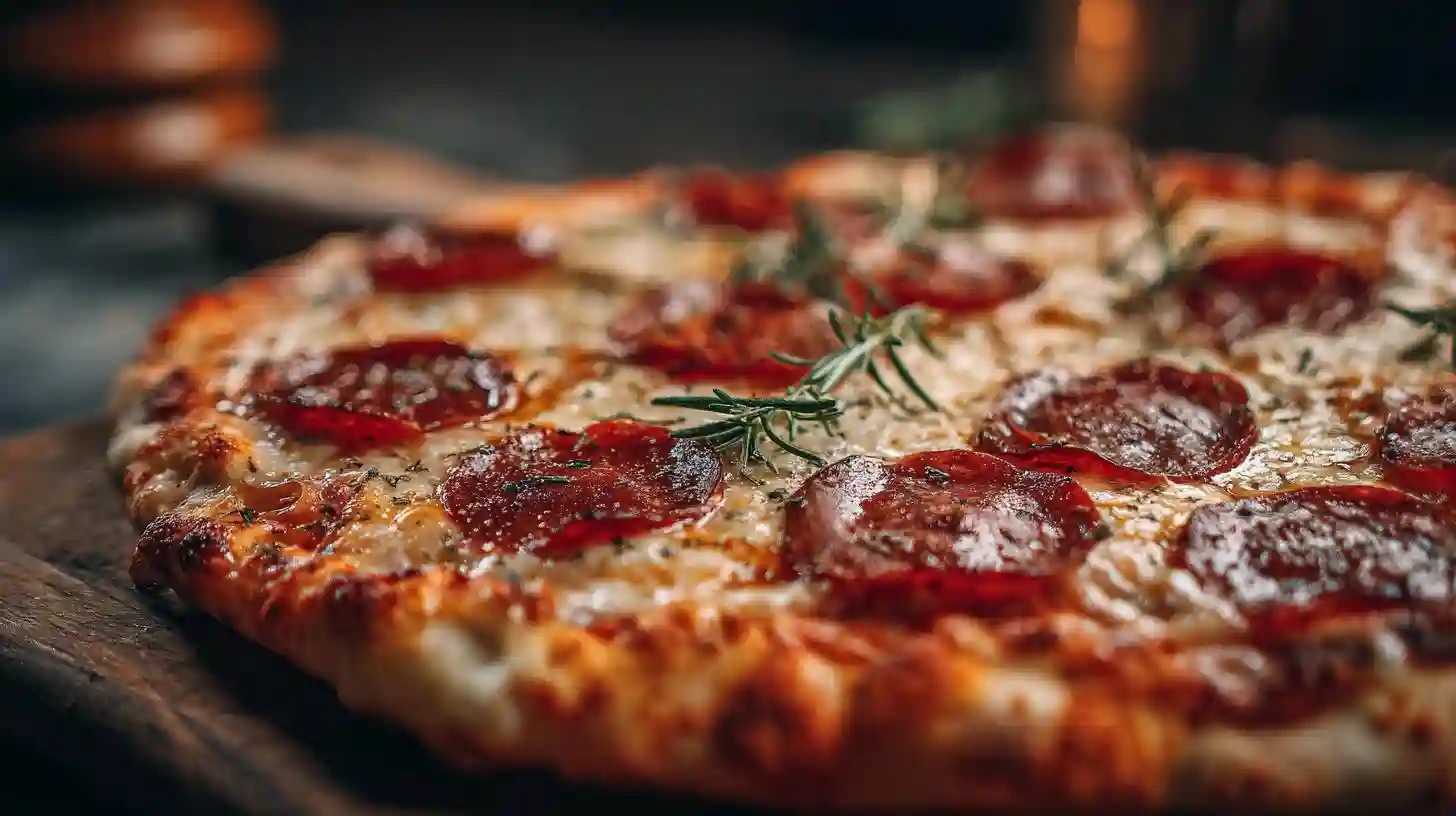
Pizza, a beloved dish that transcends borders and cultures, begins its culinary journey with the crust. The foundation of pizza, faithful followers of this iconic food know that the crust can make or break the overall experience. Each style possesses unique characteristics, appealing to diverse palates and preferences, resulting in an endless array of possibilities. It's an adventure worth exploring, one that delves into textures, flavors, and the artistry of pizza-making.
One of the most celebrated styles is the Neapolitan crust, often revered as the gold standard in pizza making. Originating from Naples, Italy, this crust embodies simplicity and tradition. It's crafted with high-quality ingredients, featuring Caputo flour, naturally leavened dough, and skillfully hand-stretched into a thin base. The high-temperature wood-fired ovens yield a puffy, charred edge known as the cornicione, while the center remains soft and pliable. This crust serves as a canvas for a minimalist approach to toppings, typically adorned with San Marzano tomatoes, fresh mozzarella, and fragrant basil leaves. The balance of flavors and textures is a hallmark of a classic Neapolitan pizza, making it a must-try for any enthusiast.
Transitioning from the soft elegance of Neapolitan, we tumble into the world of New York-style pizza. This American adaptation finds its roots in Italian traditions, characterized by a larger, wide slice that is typically sold by the piece. Made from high-gluten flour, the dough is hand-tossed and has a hint of crispy texture that’s both chewy and foldable. As anyone familiar with this iconic style knows, the true joy comes from the sheer size and adaptability of toppings. A classic New York slice is often a delightful blend of tomato sauce, mozzarella cheese, and a sprinkling of oregano. It's the quintessential street food, perfect for a quick bite on the go, holding a special place in the hearts of foodies and everyday pizza lovers alike.
Venturing deeper into the crust landscape, we come across the deep-dish pizza, a hallmark of Chicago's culinary scene. This style features a thick and buttery crust that dwarfs its flimsier cousins. Baked in a high-edged pan, it resembles a pie more than a traditional pizza. The layers of toppings are assembled differently, with cheese placed directly on the crust followed by an array of toppings, and finally topped with a hearty tomato sauce. This approach keeps the cheese from burning, yielding a glorious melty experience that stands up to the generous toppings. The deep-dish provides a hearty, filling meal, perfect for those seeking comfort food in pizza form.
Another approach worth noting is the Sicilian-style pizza, notable for its square shape and thick crust. Often baked in a rectangular pan, the Sicilian crust is airy yet substantial, coming with a crispy bottom and a light, fluffy interior. Like its Italian counterparts, this style embraces a variety of toppings but often incorporates a more complex sauce that can be seasoned with onions, anchovies, and herbs, combined with a harmonious blend of cheeses. Perfect for sharing, the Sicilian pizza satisfies both the appetite and the social experience of enjoying food in a communal setting.
For those who love an artisanal touch, the Roman-style pizza makes for an exciting choice. Characterized by its elongated, thin, and crunchy crust, Roman pizza is typically sold in rectangular slices and comes vibrantly topped with seasonal ingredients. This style emphasizes high hydration dough, resulting in a crust that combines both crunch and chew, perfect for achieving the ideal texture. Whether topped with rich tomato sauce, savory prosciutto, or decadent tiramisu-style toppings, this pizza style offers an exploration of diverse gastronomic experiences.
Exploring beyond the traditional, an array of innovative crusts has emerged to meet the growing demand for alternative options. Gluten-free crusts have become increasingly popular, providing options made with almond flour, cauliflower, or chickpea flour. Artisan bakers have started experimenting with sourdough bases, bringing tangy flavors and unique textures to the forefront. These alternatives cater to dietary preferences and offer a fresh perspective on what pizza can be, inviting creativity in the kitchen.
As the world of pizza continues to evolve, enthusiasts find joy in discovering new tastes, textures, and traditions behind each crust style. Whether it’s a thin, charred Neapolitan, a foldable New York slice, a decadent deep-dish, or a creative artisanal variation, the allure of pizza lies in the adventure of savoring what each crust has to offer. Each bite tells a story, inviting everyone to indulge in flavors that tantalize the senses and celebrate the timeless joy of pizza.