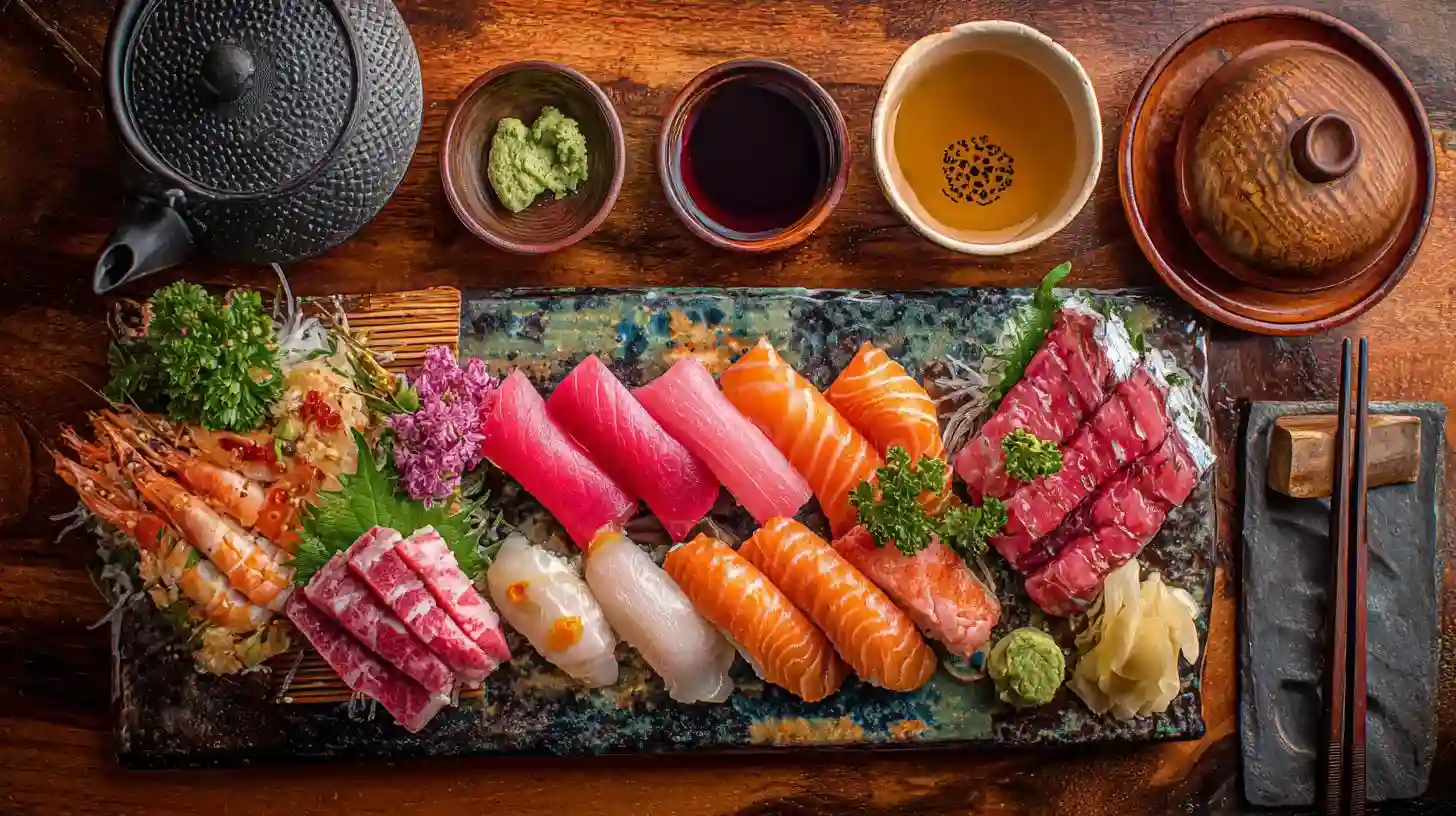
Traditional Japanese cuisine, also known as washoku, is a tapestry of flavors, colors, and textures, deeply rooted in the country's culture and history. This culinary tradition emphasizes seasonal ingredients, harmonious presentation, and a profound respect for nature. It has evolved over centuries, integrating influences from various regions and eras, but at its core, it embodies balance and simplicity. Each dish tells a story, reflecting the essence of the Japanese way of life.
One of the most recognizable staples of Japanese cuisine is rice, known as gohan. It is often served plain and is seen as the foundation of a Japanese meal. The preparation of rice is an art form in itself, requiring careful rinsing, soaking, and cooking to achieve the perfect texture. Accompanying rice, a variety of side dishes, or okazu, are typically served. These dishes can range from pickled vegetables to grilled fish, showcasing the seasonal bounty available in Japan. The meticulous preparation and use of high-quality ingredients ensure that each side dish complements the rice, emphasizing the overall dining experience.
Another fundamental element of traditional Japanese cuisine is the use of umami, often referred to as the "fifth taste." This savory flavor profile is achieved through the use of ingredients such as miso, soy sauce, dashi, and mushrooms. Dashi, a broth made from kelp and bonito flakes, serves as the backbone of many Japanese dishes, imparting a rich umami flavor. The balance of sweet, salty, sour, and bitter flavors, combined with umami, creates a unique tasting experience that is both satisfying and nuanced.
While sushi and sashimi have gained immense popularity worldwide, their origins are deeply entrenched in Japanese culinary tradition. Sushi, which consists of vinegared rice combined with various ingredients, often includes raw fish but can also feature vegetables and other proteins. Sashimi, on the other hand, focuses solely on the freshness of the fish, thinly sliced and typically served with soy sauce and wasabi. The presentation of sushi and sashimi is an art, with chefs often dedicating years to perfecting their skills. The meticulous attention to detail in the selection of fish, the preparation of rice, and the artistry of plating all reflect the reverence for food inherent in Japanese culture.
Another signature dish that exemplifies traditional Japanese cuisine is kaiseki. This multi-course dining experience offers a glimpse into the seasonal flavors and artistry of Japanese cooking. A kaiseki meal typically begins with a small appetizer, followed by several courses that may include soups, grilled dishes, and sashimi, each served in exquisite tableware that enhances the dining experience. The progression of the meal is designed to engage all the senses, showcasing the chef's skill and creativity. Seasonal ingredients play a crucial role, as kaiseki emphasizes the importance of eating in harmony with nature.
The Japanese tea ceremony, or chanoyu, is another integral aspect of traditional cuisine. This ritualized preparation and serving of matcha, powdered green tea, exemplifies the cultural emphasis on mindfulness, harmony, and respect. The ceremony is a sensory experience, with each movement and gesture carefully choreographed. It embodies the values of simplicity and purity found in Japanese aesthetics, creating an atmosphere of tranquility and appreciation for the present moment. The accompanying sweets, known as wagashi, are often delicately crafted, reflecting seasonal themes and colors, further enhancing the experience.
Street food also has its place in the landscape of Japanese cuisine. Dishes such as takoyaki (octopus balls) and okonomiyaki (savory pancakes) are quintessentially Japanese, enjoyed at festivals and night markets. These foods showcase the casual side of Japanese dining, where the communal atmosphere encourages sharing and enjoying food in a lively setting. The excitement of watching food being prepared by skilled street vendors adds an interactive element to the culinary experience, making it memorable and enjoyable for both locals and visitors.
The artistry of traditional Japanese cuisine extends to dessert as well. Wagashi, the traditional confections served during tea ceremonies, often reflect the changing seasons and are crafted with a level of skill that transforms simple ingredients into beautiful works of art. Made primarily from rice flour, adzuki beans, and sugar, these sweets come in various forms and textures, ranging from soft and chewy to crisp and delicate. Each bite is a harmonious blend of taste and aesthetics, showcasing the Japanese philosophy of treating food as an art form.
The cultural significance of traditional Japanese cuisine cannot be understated. It is deeply intertwined with the values of mindfulness, respect for nature, and a commitment to quality. Each meal is not merely sustenance but a celebration of life’s moments, whether shared with family, friends, or as part of an elaborate ceremonial practice. As the world becomes increasingly interconnected, the enduring appeal of traditional Japanese cuisine continues to captivate people, allowing them to experience the beauty and depth of a culinary tradition that has stood the test of time.