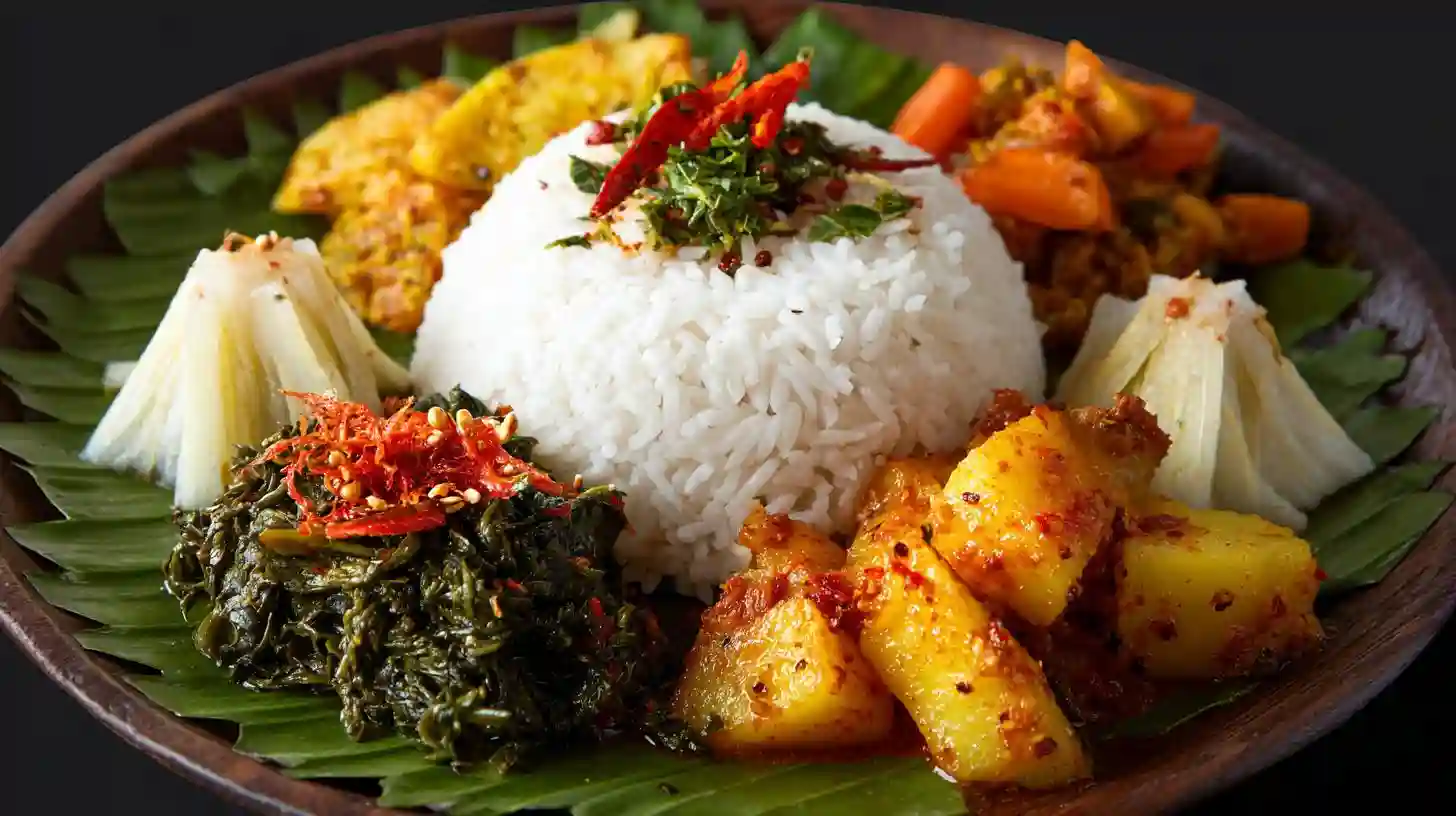
Nepal, a land known for its mountains and rich cultural diversity, offers a culinary experience as varied as its landscape. The cuisine of Nepal is a reflection of its ethnic plurality and geographical variations, shaped by the influences of Indian, Tibetan, and other regional cuisines. The result is a vibrant tapestry of flavors, textures, and aromas, making every meal an exploration of the country's heritage.
At the heart of Nepalese cuisine is a staple known as dal bhat, which consists of lentils and rice. Dal refers to the lentil soup, typically seasoned with spices like turmeric, cumin, and sometimes coriander. Bhat is the plain or flavored rice that accompanies the dal. When served together, this dish embodies the essence of Nepali eating – nutritious, filling, and comforting. It is not uncommon for families to gather around a communal plate to enjoy this meal, often topped with a variety of pickles, known as achar, which adds excitement and an extra kick of flavor to the dish.
Vegetables play a significant role in every meal, with a wide range of seasonal produce commonly used. Leafy greens like spinach and mustard greens, root vegetables, and legumes are staples, often prepared with spices to create curries that accompany the rice and lentils. A popular vegetable dish is called gundruk, which consists of fermented leafy greens. Known for its distinctive tangy flavor, gundruk is not only a delightful accompaniment to meals but is also a representation of sustainability, as it allows for the preservation of seasonal vegetables for later use, especially during the winter months.
Meat also holds a cherished place in the hearts of many Nepalis, particularly among certain ethnic groups. Chicken, goat, buffalo, and lamb are commonly enjoyed, often prepared in various ways, from curries to grilled skewers. One of the favorite meat dishes is called momo, which are essentially dumplings filled with either minced meat or vegetables and wrapped in a doughy exterior. They are typically served with a spicy dipping sauce called achar, made from tomatoes, chilies, and various spices. Momos have become popular not only in Nepal but also in neighboring regions, showcasing the culinary influence of Nepalese culture beyond its borders.
In addition to savory dishes, sweet treats form an essential part of the culinary scene. Desserts like sel roti, a traditional rice-based doughnut, and jalebi, a crispy, syrup-soaked treat, are popularly enjoyed during festivals and celebrations. The preparation of these sweets is often a communal affair, with families coming together to cook and enjoy them, further strengthening familial and cultural bonds.
One cannot discuss Nepalese cuisine without mentioning the rich tradition of drinks. Tea, particularly masala chai, is a favorite among locals and often enjoyed with meals. Known for its warming spices, including ginger and cardamom, this beverage is both popular and comforting. Traditional drinks like raksi, a local alcoholic beverage brewed from millet or rice, also contribute to the culinary heritage, often shared during festivals and significant life events.
Regional variations also abound in Nepalese cuisine depending on the climate, geography, and available ingredients. In the Terai region, flatbreads like chapati are favored, while in the mountainous areas, people tend to eat more rice and meat-based dishes, reflecting the livestock and resources available. In higher altitudes, ingredients are limited, leading to a diet incorporating grains, dairy products, and preserved foods, while the lowland regions boast a bounty of fresh produce.
Eating customs in Nepal are as diverse as the cuisine itself. Meals are typically served on a thali, a traditional platter that showcases various elements. This demonstrates the important social aspect of dining, where sharing food not only satisfies hunger but also fosters connection. The banter and interactions that come during meals reveal the warmth and hospitality embedded within Nepali culture.
For anyone looking to delve into the vibrant world of Nepalese cuisine, a culinary journey is not just about the food itself. It is an exploration of the stories, traditions, and cultural significance intertwined with every dish. From the gathering of families for meals to the flavors that tell tales of history and geography, Nepalese cuisine remains an enduring legacy, rich in flavor and steeped in tradition. Anyone who has the chance to experience these foods is offered not only nourishment but also a glimpse into the heart and soul of Nepal.