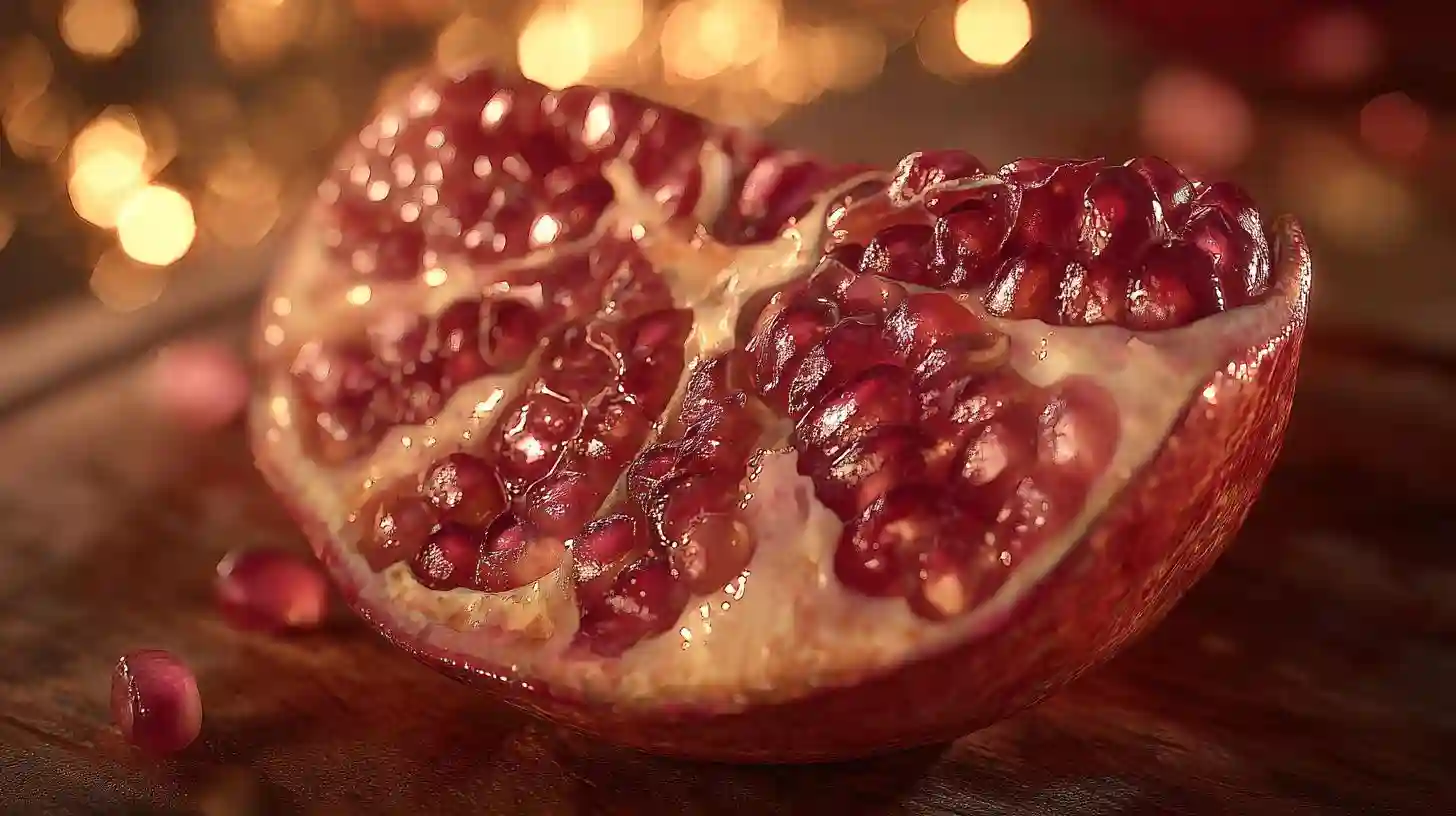
Pomegranates, with their jewel-like seeds and unique flavor, have garnered admiration throughout history and across cultures. This remarkable fruit, native to regions spanning from Iran to the Himalayas in northern India, has roots in various mythologies, cuisines, and nutritional discussions. The act of unraveling a pomegranate is both an art and a science, and understanding this fruit's historical and cultural significance can enhance the experience of working with it in the kitchen.
To begin with, the first step in unraveling a pomegranate quickly is to prepare your workspace. Gather a sharp knife, a bowl of water, and a large cutting board. This not only ensures cleanliness but also helps contain the juice splatters associated with this succulent fruit. Before you even start cutting, it's essential to look at the pomegranate and assess its structure. The outer skin is tough and leathery, which protects the precious seeds inside. Knowing the basic anatomy of the fruit can significantly streamline the technique to extract its seeds.
The most common method for deseeding a pomegranate involves cutting it into sections. Start by using the knife to slice off the crown—the top part of the fruit—just enough to expose some of the seeds without damaging them. When examining the fruit, you might notice the natural ridges that run from top to bottom. These ridges, or lobes, indicate sections within the fruit that can be pried apart to easily release the seeds. When you cut the crown, you create an opening that invites you to further explore this internal structure.
Next, score the outside of the fruit by making shallow cuts along these ridges from crown to base. It’s crucial to limit the depth of these cuts since you want to avoid slicing through the seeds. After scoring, gently pull the fruit apart, using your hands to break the sections apart. This method reduces the time and effort spent trying to individually pry out the seeds, allowing them to spill into your bowl of water more readily. The water serves a dual purpose: it minimizes mess and helps separate the seeds from the pith, which tends to float, while the seeds sink.
As you indulge in this process, it becomes evident why pomegranates are often described as "nature's candy." Their seeds, known as arils, are bursting with sweet and tart juice, making them a delightful addition to numerous dishes, from salads to desserts. Handling the fruit in a bowl of water not only keeps your workspace tidy but also emphasizes the beauty of the seeds as they bob delicately in the liquid.
Pomegranates carry deep symbolic meanings across various cultures, often representing life, fertility, and prosperity. In ancient Persian culture, pomegranates were considered symbols of abundance and were often associated with the harvest season. This connection to agriculture and bounty remains relevant today, as the fruit is frequently included in celebrations of the harvest, symbolizing generosity and the sharing of nature’s gifts.
In Jewish tradition, the pomegranate holds significant religious importance. It is often depicted in art and scripture, famously representing righteousness due to its many seeds—traditionally said to number 613, corresponding to the total number of commandments in the Torah. Observant Jews enjoy pomegranates during Rosh Hashanah as a symbol of the wish for a year filled with good deeds. This aspect of the pomegranate’s significance underscores its role as a fruit that brings people together, transcending mere culinary uses.
Meanwhile, in Greek mythology, the fruit has an equally impactful narrative, showcasing its ties to love and the afterlife. The myth of Persephone illustrates this connection, as Persephone, while trapped in the underworld, consumes pomegranate seeds, which binds her to Hades for part of the year. This myth is often interpreted as a representation of life, death, and rebirth—further enhancing the fruit's rich tapestry of meanings.
Not only are pomegranates imbued with cultural significance, but they also boast impressive health benefits. They are rich in antioxidants, vitamin C, and anti-inflammatory properties, making them a popular choice among health-conscious individuals. Their consumption is associated with a reduced risk of chronic diseases, including heart disease and cancer, propelling their status not just as a superfood but as a fruit that contributes to overall vitality and wellness.
In conclusion, learning how to unravel pomegranates efficiently not only reveals a delightful trove of edible jewels but also opens a doorway into the rich cultural significance of this remarkable fruit. The process of deseeding becomes a celebration of its beauty and depth, reminding us of ancient traditions and the fruitful blessings that nature provides. As you navigate through the experience of enjoying pomegranates, you are not merely engaging in culinary practice; you are participating in a longstanding tradition that spans continents and centuries, connecting the past with the present, as you savor every sweet and tart morsel.