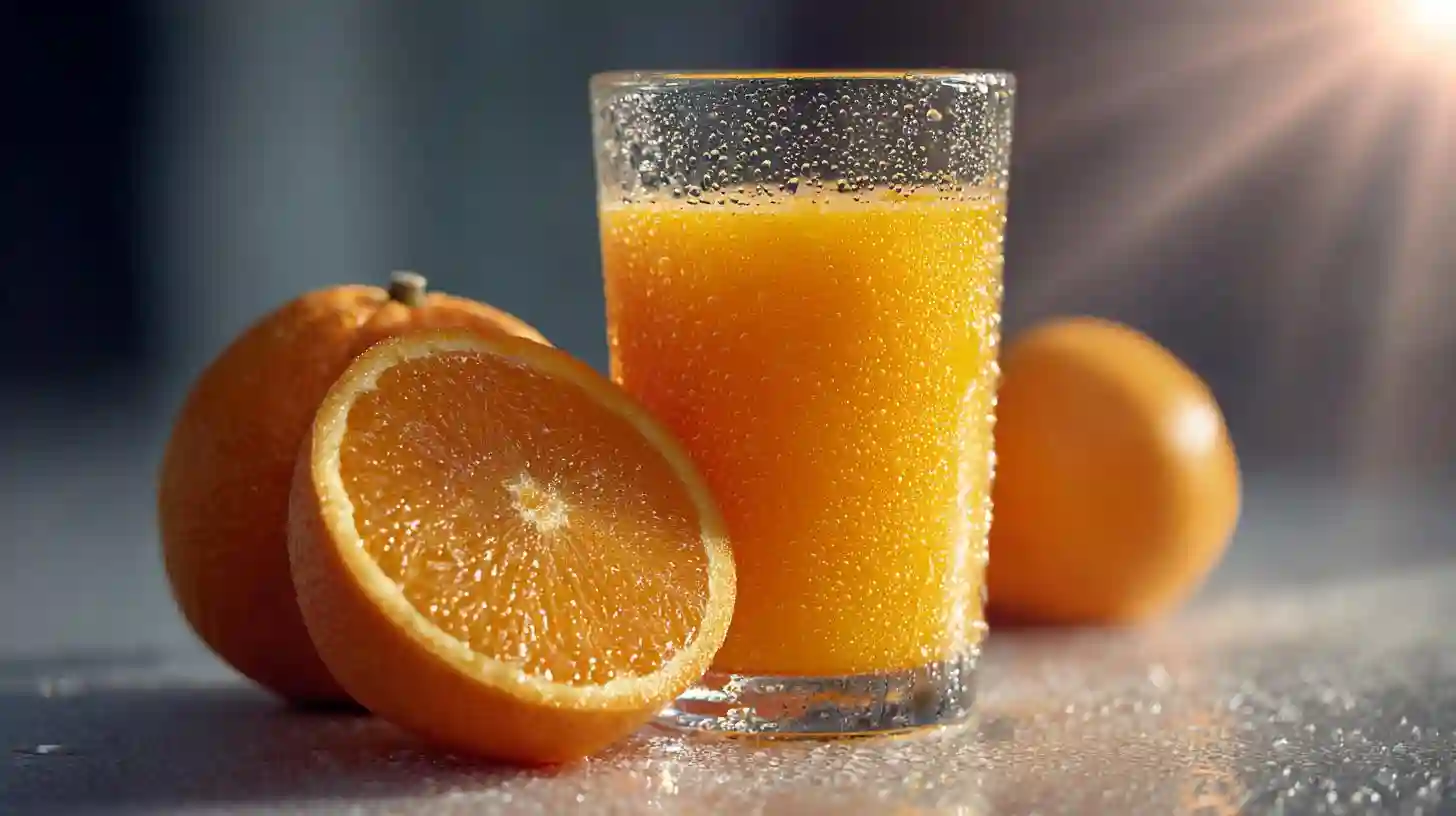
Homemade orange juice is often regarded as one of life's simplest pleasures, offering a refreshing and tangy burst of flavor to start the day. However, many people experience a bitter note in their freshly squeezed juice that can be off-putting. Understanding the science behind this bitterness can help enhance your orange juice experience and allow you to enjoy its natural sweetness.
One primary reason for the bitterness in homemade orange juice lies in the components of the orange itself. Oranges belong to the citrus family, and like many other fruits, they contain compounds called flavonoids. These flavonoids are responsible for various flavors and are beneficial for human health. However, some of these compounds can impart a bitter taste, particularly when the juice is made from certain varieties of oranges or when the fruit is overly ripe or damaged.
Moreover, the white pith found between the orange's outer skin and inner fruit is notorious for harboring a bitter flavor. When juicing the oranges, it is common for some of this pith to inadvertently mix into the juice. If a significant amount of pith is included, it can overwhelm the natural sweetness and bring out an undesirable bitterness. This is especially true if you use a method that incorporates the entire fruit without carefully segmenting the orange.
Another factor to consider is the role of the orange's peel. The zest of an orange contains essential oils that contribute a zesty aroma and flavor, but they can also introduce bitterness if excessive amounts get into the juice. If you are using a juicing method that relies on extracting juice from the whole fruit, such as a blender, you may inadvertently introduce these oils into the mix. This can lead to a more complex flavor profile, but excessive bitterness may come with it.
Juicing technique also plays a significant role. The method you choose can affect how much of the fruit’s components are released into your final product. Manual juicing methods, like a simple hand press, may give you more control over the extraction, allowing you to avoid the bitter pith and peel. On the other hand, using a juicer that breaks down the entire fruit can bring it all together, leading to a mixture that may not be as palatable. Finding the right kitchen equipment that suits your preferences can dramatically change the flavor of your homemade orange juice.
Ripeness of the fruit is another critical factor. Oranges that are not fully ripe can have a higher concentration of bitter compounds. An under ripe orange will not have developed the sugars necessary to balance out any bitterness present, resulting in a more pronounced off-flavor. Conversely, overly ripe oranges may also include a variety of off-flavors due to fermentation or decay. Choosing oranges that are just right for juicing can substantially enhance the taste of your juice.
Additionally, environmental factors, such as the soil conditions and climate where the oranges are grown, can influence the flavor profile. Different regions produce oranges with varying levels of sweetness and bitterness based on these factors. Researchers have found that the specific genetics behind the orange variety chosen can lead to unique flavor profiles, further adding to the complexity of your homemade juice. Selecting oranges known for their sweeter profiles can be a game-changer in the juicing experience.
Acidity also plays a pivotal role in the flavor of orange juice. The natural acids present in the fruit can counterbalance sweetness, but they can also amplify any inherent bitterness. An acidic juice can cleanse the palate but may accentuate the unpleasant traits if the balance is off. In the quest for the perfect cup of orange juice, a careful balancing act between sweetness and acidity is necessary.
Understanding the interplay of these variables — from the selection of the oranges to your juicing method — is essential for creating a delicious homemade orange juice. Armed with this knowledge, you can experiment with different types of oranges, juicing techniques, and even accompanying ingredients like a touch of lemon or pineapple to counteract bitterness. Engaging with the art and science of orange juice preparation allows you to elevate your drinking experience and enjoy the vibrant flavor profiles that oranges have to offer. Whether you prefer a bold and tangy juice or a sweeter delight, the choice lies in your hands, guided by nature's offerings and your own creativity.