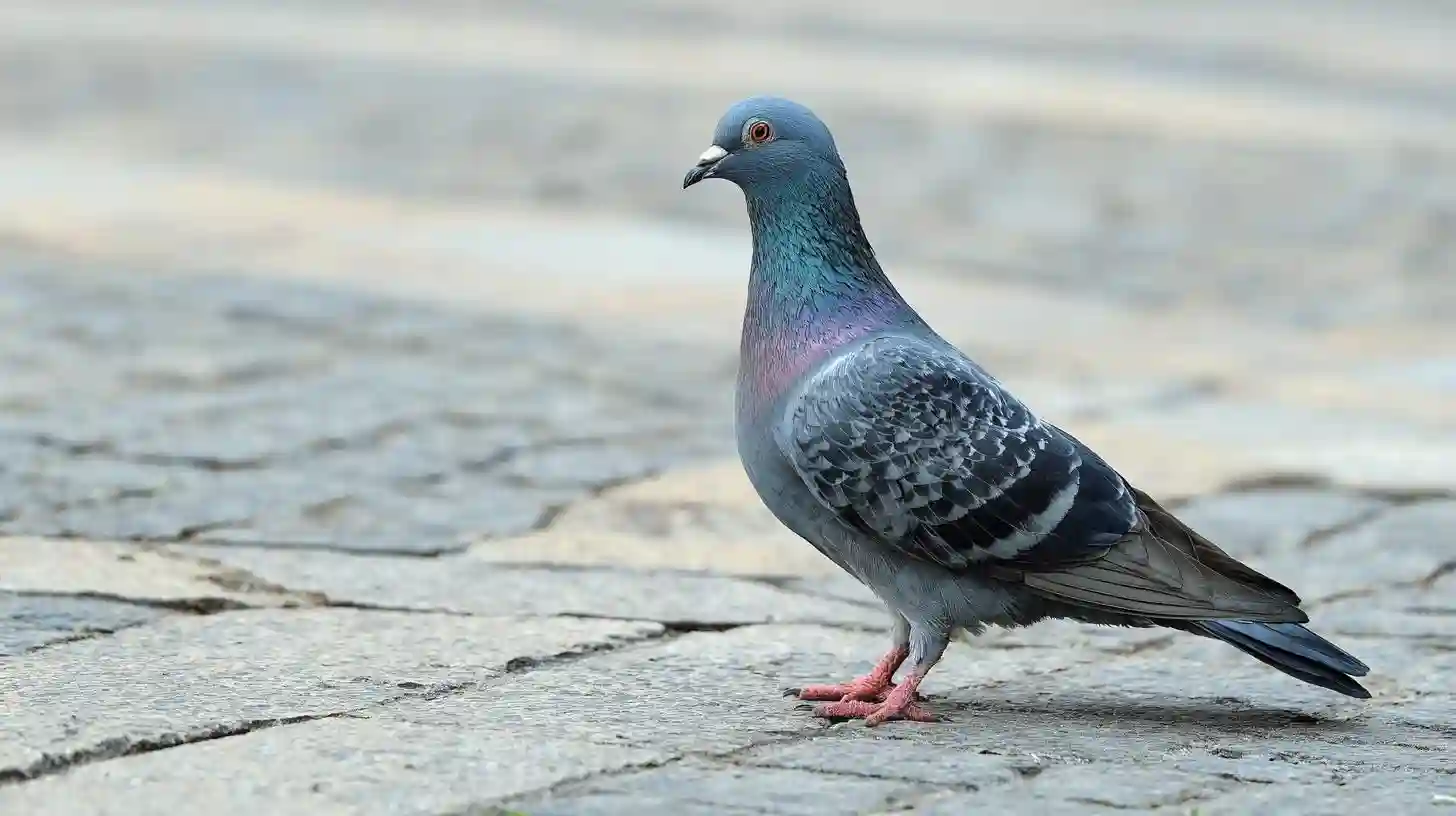
Pigeons have long intrigued researchers and bird enthusiasts alike due to their remarkable homing abilities. These creatures, often seen cooing on city streets or perched on rooftops, possess an extraordinary navigation skill that enables them to find their way home over vast distances. Various features contribute to this avian marvel, ranging from their acute sensory capabilities to complex behavioral patterns honed through evolution.
One of the primary factors in a pigeon's navigation prowess is its exceptional sense of sight. Pigeons have a wider visual range than humans and can perceive ultraviolet light, allowing them to interpret environmental cues that are invisible to the human eye. This ability enhances their navigation capabilities, enabling them to use landmarks, patterns, and geographical features in their surroundings to orient themselves. Studies indicate that pigeons may rely heavily on visual landmarks, ranging from major structures to distinctive features of the landscape. By memorizing such details during training flights, pigeons can develop a mental map that guides them back to their home lofts.
Beyond sight, pigeons also utilize the earth’s magnetic field for navigation. Researchers have discovered that these birds can sense the magnetic orientation of the planet, which likely aids them in long-distance journeys. This ability is believed to be linked to specialized proteins found in their eyes, which may allow them to perceive magnetic fields visually. Furthermore, the presence of magnetite in the beaks of pigeons suggests a direct link to their navigation strategies. This combination of visual and magnetic navigation helps them remain oriented even when flying through unfamiliar territories.
Another intriguing aspect of the pigeon's navigational prowess is its reliance on the sun for direction. It has been established that pigeons can utilize the position of the sun in the sky to gauge their heading and time their flights accordingly. However, this method is particularly effective when the sky is clear, as overcast conditions can complicate their ability to use the sun for guidance. Interestingly, experiments have shown that pigeons can also compensate for time changes when navigating by the position of the sun, indicating a level of cognitive complexity that is quite remarkable for a bird.
Research has also revealed that pigeon navigation tends to improve with experience. Young pigeons often hone their skills through trial and error, learning to navigate successfully as they gain exposure to their environment. Initially, they might struggle to find their way, but through consistent training flights, they develop a stronger sense of direction and an improved capability to recognize landmarks and other environmental cues. This adaptability showcases the pigeon's remarkable intelligence and reinforces the idea that navigation is not solely instinctual but also a learned behavior.
Pigeons exhibit a social structure and strong family ties that play a crucial role in their homing abilities. Many pigeons bond with specific mates and stay with their families, which fosters a sense of loyalty to their home territory. When trained to return to a specific loft, inoculating their instincts with a sense of belonging can encourage them to find their way back promptly. This attachment to their homes and social groups can reinforce the motivation to navigate successfully, creating a strong drive to return to their loved ones.
Moreover, research into the genetic underpinnings of homing behavior has yielded intriguing insights into why some pigeons excel in navigation more than others. Certain breeds have been selectively bred for their homing skills, leading to a concentration of genetic traits that enhance their orientation capabilities. These breeds often display superior cognitive functions, making them more adept at utilizing both intrinsic sensory abilities and learned experiences to navigate back home efficiently.
The combination of vision, magnetic orientation, celestial navigation, social bonding, and genetic predisposition all contribute to the pigeon’s extraordinary ability to find its way home. Through various studies and observations, researchers continue to unravel the intricate web of factors influencing pigeon navigation, shedding light on a phenomenon that has captivated humanity for centuries. This exploration into the lives of these seemingly ordinary birds reveals an extraordinary complexity in their behavior, adaptations, and the stunning capabilities they possess. Each flight undertaken by a pigeon is not just a simple journey; it is a testament to the remarkable navigation system honed through millions of years of evolution. As we learn more about these incredible creatures, we gain valuable insights into the mysteries of animal navigation and the inherent abilities that allow them to traverse vast distances with pinpoint accuracy.