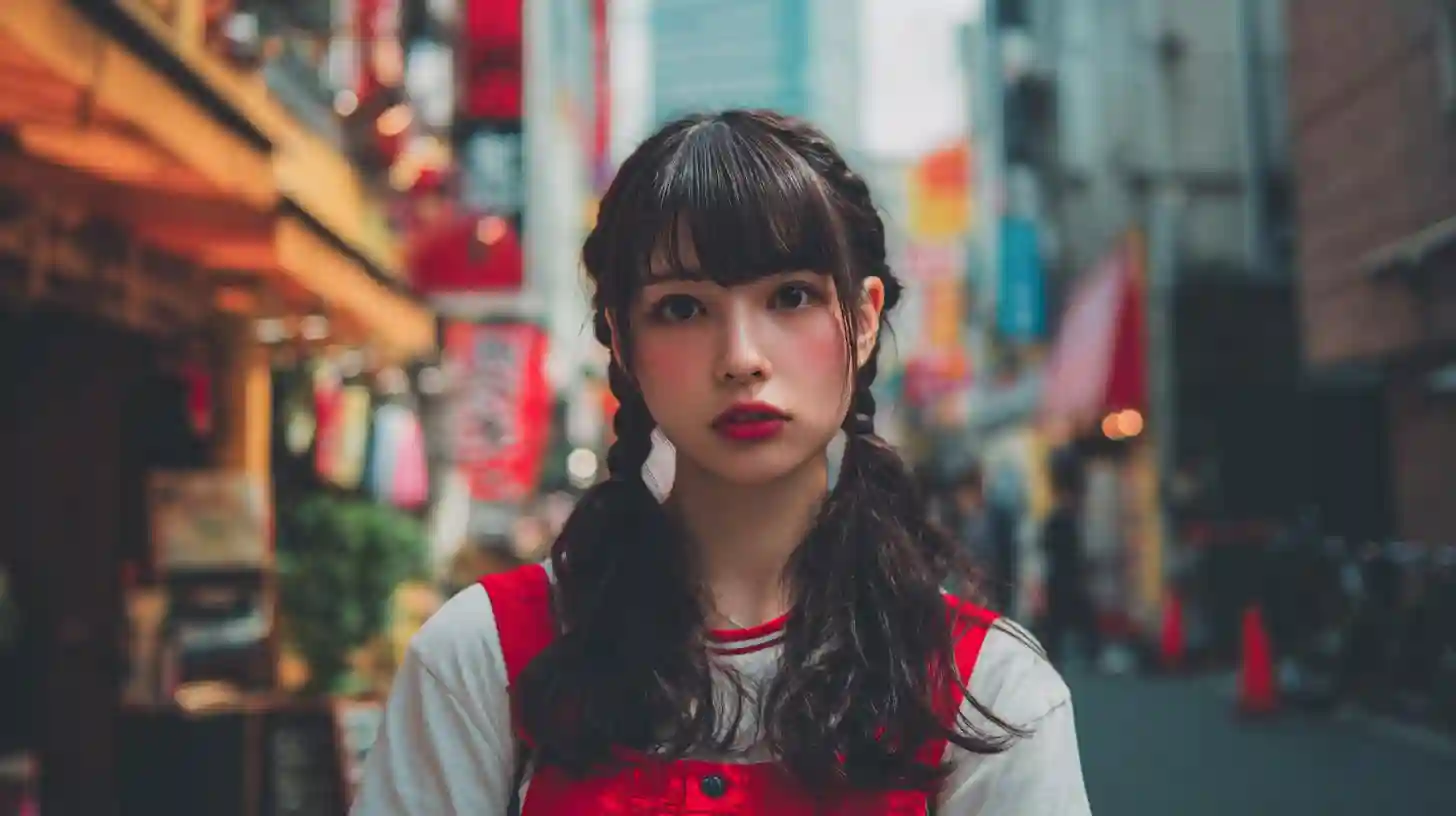
Japanese cute girl style, often referred to as "kawaii fashion," is a phenomenon that transcends mere aesthetics, becoming a cultural movement that embodies innocence, playfulness, and charm. Kawaii, which translates to “cute” in English, has been an integral part of Japanese popular culture since the late twentieth century. This style is a visual manifestation of various cultural elements, including anime, manga, and traditional garments, combined with contemporary fashion trends that create a unique and captivating look.
The roots of kawaii culture can be traced back to the emergence of shōjo manga in the post-war era, which introduced readers to young female characters characterized by their childlike features and endearing personalities. The global rise of anime, particularly in the late twentieth and early twenty-first century, brought these characters to life, inspiring fans around the world. As a result, kawaii fashion began to flourish, integrating the whimsical aesthetics of animated characters into everyday attire.
One hallmark of this style is the use of vibrant colors and playful patterns. Pastels are particularly favored, often appearing in soft pinks, blues, and yellows that evoke a sense of youthfulness. Clothing adorned with cartoon characters, whimsical prints, or delicate florals is commonplace. Accessories also play a significant role, featuring everything from oversized bows to plush backpacks shaped like animals, all designed to evoke a sense of joy and playfulness.
The layering of clothing is another crucial aspect of kawaii fashion. Outfits often consist of multiple layers, combining skirts, frilly blouses, and cardigans to create a visually interesting ensemble. This layering not only enhances the cuteness factor but allows for a variety of unique combinations. For instance, pairing a denim jacket with a lace-trimmed dress can produce a charming, yet laid-back effect. It’s not unusual to see knee-high socks paired with platform shoes to amplify the youthful vibe, further embodying the essence of kawaii.
There is also a significant emphasis on the importance of hairstyles in achieving the ideal kawaii appearance. Girls often sport playful hairstyles that can include pigtails, loose curls, or straight hair adorned with clips, hairpins, or headbands featuring adorable motifs. This attention to detail elevates their look, allowing each individual to express their personality through their hair. Colorful hues, such as pastel pinks or blues, have gained popularity among kawaii enthusiasts, adding an additional level of brightness and charm.
Makeup techniques commonly employed in kawaii fashion focus on enhancing softness and doll-like features. This is typified by the use of soft pastel shades on the eyes, a light blush on the cheeks, and glossy lips. The goal is to achieve a fresh and youthful appearance, resembling the idealized beauty standards often represented in anime and manga. The "dewy" look is highly sought after, with products designed to create a radiant glow rather than a matte finish.
Kawaii fashion is not confined to a specific demographic; it is embraced by various age groups, from young children to adults, continually evolving and adapting to contemporary sensibilities. Fashion subcultures such as Lolita, Gyaru, and Harajuku styles have emerged, each incorporating unique elements while maintaining the core principle of cuteness. Lolita fashion, for example, draws inspiration from Victorian and Rococo styles, with its signature silhouette of puffy skirts and intricately adorned blouses.
Event spaces such as the Harajuku district in Tokyo serve as the epicenter of kawaii culture. This vibrant neighborhood attracts fashion enthusiasts who often showcase their unique interpretations of kawaii style. Regularly, one can witness spontaneous fashion shows and impromptu photoshoots as girls wish to share their creativity and express their love for this captivating aesthetic. Streets bustling with color and energy reflect the joy and vibrancy that kawaii fashion brings to those who embrace it.
Internationally, the kawaii culture has found its way into various aspects of global fashion and lifestyle products. Brands inspired by kawaii aesthetics have begun to emerge worldwide, incorporating elements of this unique style into their products. From cute stationery to accessories, the influence of kawaii fashion is evident in many facets of everyday life.
Kawaii fashion represents more than just clothes; it encapsulates a mindset that encourages self-expression and playfulness. With its origins steeped in the cultural tapestry of Japan, the style continues to inspire and connect individuals across the globe. Whether through the vibrant colors, imaginative designs, or the sheer joy it imparts, kawaii culture fosters a sense of community and creativity among its followers. Embracing cute girl style becomes a celebration of individuality and a reminder to cherish the essence of youthfulness.