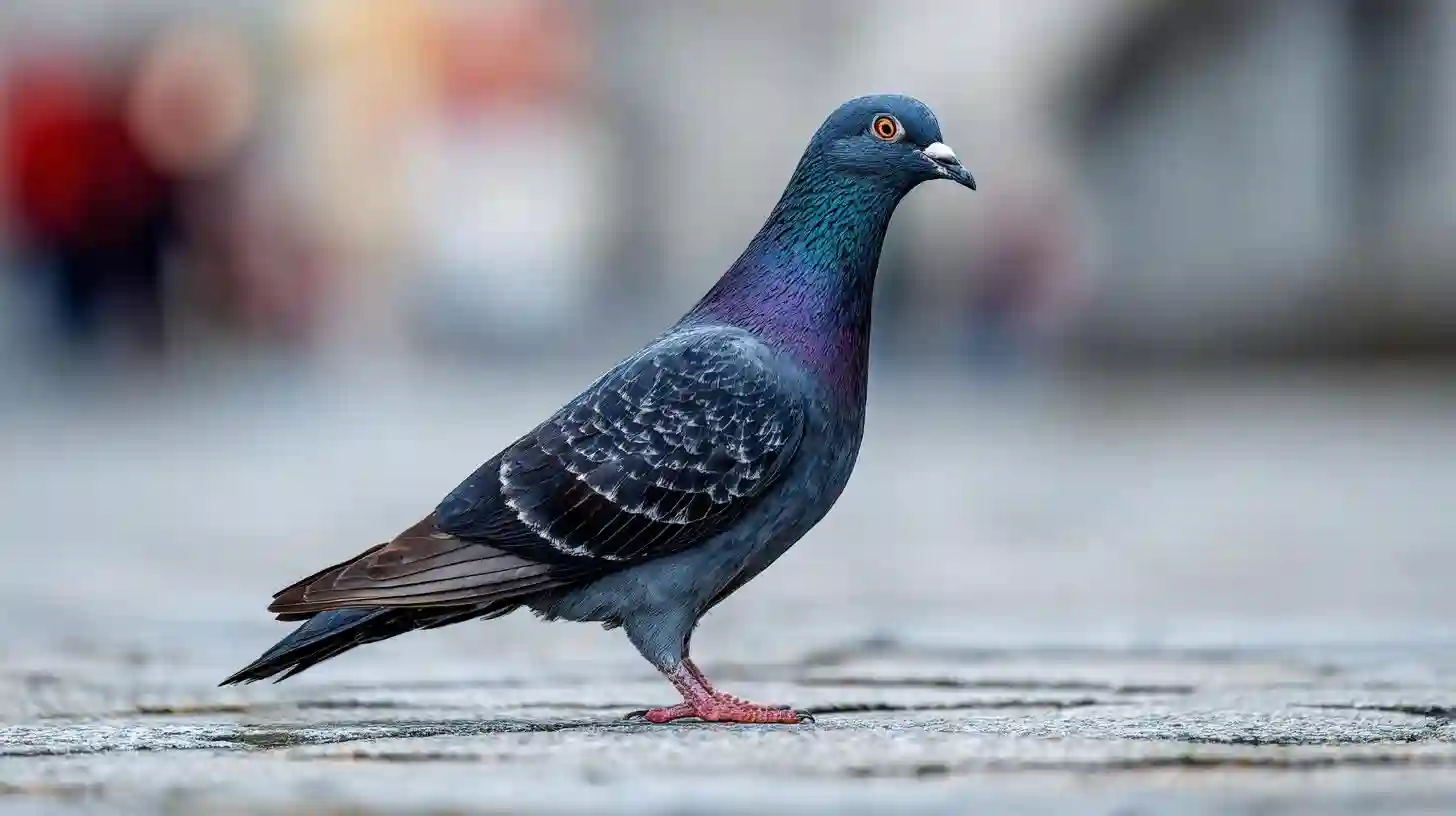
Pigeons have captivated the attention and curiosity of humans for centuries, especially when it comes to their remarkable ability to find their way home over long distances. This talent, which has earned them a place in numerous cultural narratives and historical events, remains a subject of scientific investigation even today. Understanding this avian phenomenon involves delving into a combination of biology, environmental factors, and a little bit of mystery.
At the heart of a pigeon’s navigation abilities is a sophisticated combination of sensory modalities. Pigeons possess an adept visual system that allows them to recognize patterns, landmarks, and even the contours of the landscape. This acute vision is complemented by a highly developed memory. Pigeons are known to retain memories of their surroundings, which they can recall even after a considerable time lapse. When a pigeon is released from a location far from home, it scans its environment, stores relevant information, and relies on these mental maps to navigate.
But vision is only part of the puzzle. Research suggests that pigeons also utilize the Earth’s magnetic field to aid their orientation. Scientists have discovered that pigeons have magnetic receptors in their beaks, allowing them to detect magnetic fields and align themselves accordingly. This ability, found in various migratory birds as well, enables pigeons to understand their position relative to the Earth’s magnetic north. By integrating this magnetic sense with visual cues, pigeons create a reliable navigational strategy that helps them determine the direction home.
Another intriguing aspect of pigeon navigation involves their acute sense of smell. Studies indicate that olfactory cues play a vital role, particularly in shorter distances. Pigeons can identify various odors associated with their home environment and use these smell-based markers as navigational aids. The belief is that they develop a unique scent profile of their home territory, which helps them create a mental map based on smell. This olfactory capability may not be unique to pigeons; other birds also use similar techniques, but the strength of this sense in pigeons enhances their overall navigational prowess.
Environmental factors, including weather conditions and even wind patterns, can influence a pigeon’s journey. The presence of strong winds, for instance, might alter their flight path, but resilient pigeons can adapt to these changes, finding alternative routes back home. Furthermore, daylight aids their navigation by providing visibility for visual landmarks, and their circadian rhythms help regulate their internal clocks, which can be critical for long-distance travel. Pigeons seem to exhibit a form of behavioral flexibility, adjusting their navigation strategies in response to environmental challenges.
The social structures and learned behaviors within pigeon communities also play a role in their navigational abilities. Young pigeons tend to learn the routes and navigation techniques from older, more experienced birds. This social learning enhances their skills, increasing accuracy over time. The bonds that pigeons form and their interactions with fellow pigeons contribute to their ability to navigate effectively; young pigeons often benefit from the wisdom of their elders.
Captivatingly, some research has ventured into the potential of pigeons to be trained for specific navigation tasks. Domestication and selective breeding yield variations in navigational accuracy, suggesting some pigeons might have a natural inclination toward superior navigational skills. The domesticated pigeons that have been bred for racing or homing often exhibit extraordinary homing abilities, leading to increased fascination surrounding their capabilities.
Several experiments have further deepened our understanding of these remarkable birds. In controlled studies, researchers have conducted displacement tests where pigeons are transported far from their home territories. Observing their flight patterns upon release provides insights into how they recalibrate their paths based on learned cues and environmental signals. Each experiment unveils more about their cognitive maps and behavioral flexibility, contributing to a fuller picture of this extraordinary phenomenon.
Human interaction with pigeons has transformed over centuries. From carrier pigeons that played crucial roles in wartime communications to the beloved city dwellers often seen pecking at breadcrumbs in parks, these birds continue to intrigue and inspire. Their effective navigation techniques showcase a unique blend of biology and instinct, demonstrating how a simple bird can carry secrets of the natural world.
Exploring the multifaceted abilities of pigeons to navigate and find their way home reflects a deeper understanding of how organisms adapt and thrive in their environments. As science continues to study these avian navigators, the legacy of pigeons as symbols of resilience and fidelity remains intact, urging us to marvel at nature's ingenuity. The ongoing inquiry into their navigation serves not only to decode their mysteries but also to deep dive into the untapped wonders of the natural world.