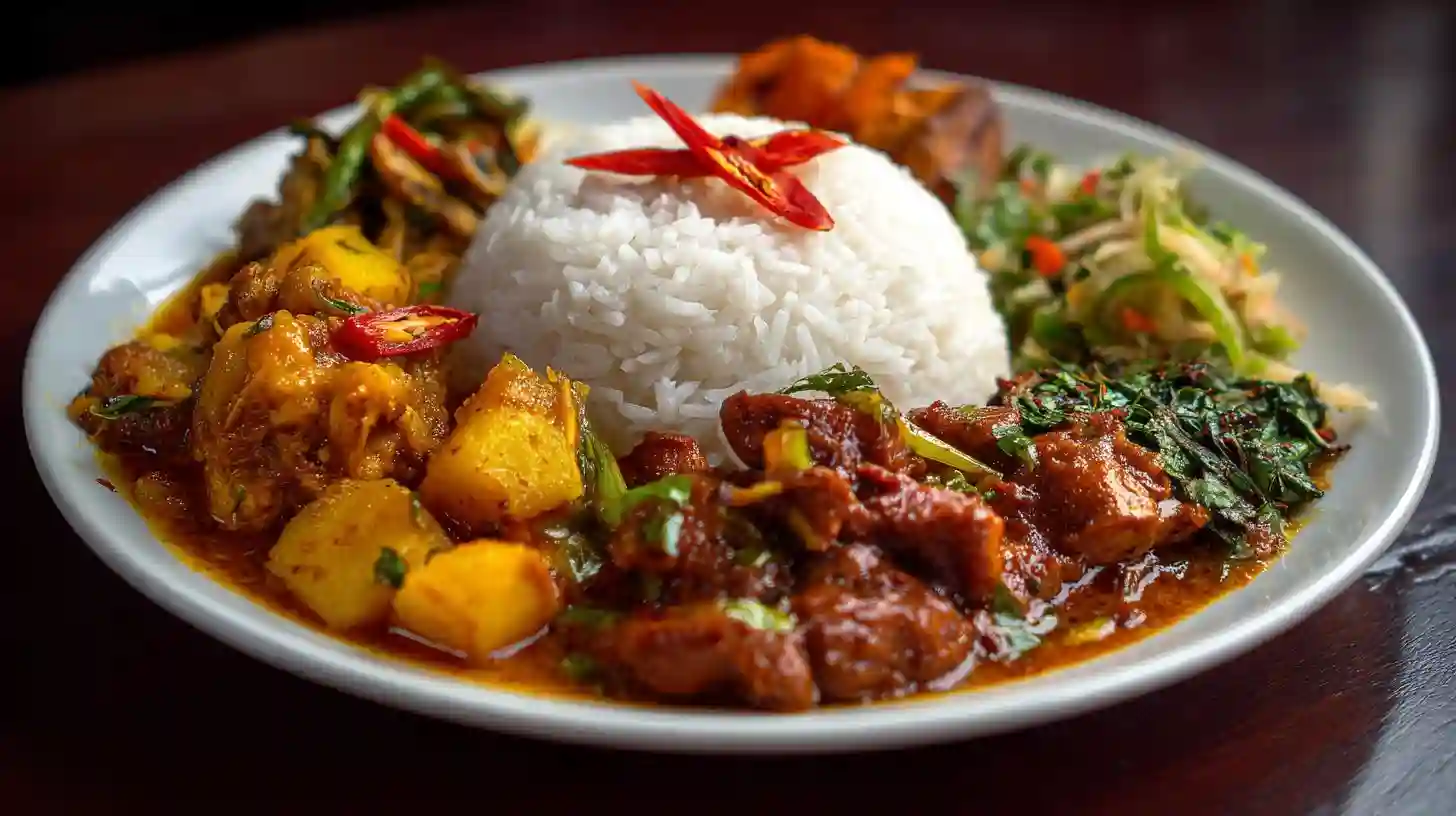
Nestled in the heart of the Himalayas, Nepal is a country with a rich tapestry of cultures and ethnicities, each contributing to its diverse culinary landscape. The food of Nepal is an intricate blend of flavors, textures, and aromas, influenced by geography, climate, and regional traditions. It is not only about sustenance; it's a way of life, embodying the social and cultural fabric of the nation.
One of the staples of Nepalese cuisine is rice, often complemented by a variety of legumes and lentils. Dal bhat, a traditional meal, consists of steamed rice paired with lentil soup, known as dal. This dish is usually accompanied by a variety of side items, including pickles, vegetables, and sometimes meat or fish. Dal bhat is not just a meal; it is a ritual in many households, commonly enjoyed at lunch and dinner. In the Terai region, the flatbread known as roti is favored over rice, highlighting the geographical diversity in food preferences within the country.
Beyond rice and lentils, the use of spices is integral to Nepali cooking. Common spices include cumin, coriander, turmeric, and fenugreek, which add warmth and depth to the dishes. Newari cuisine, originating from the Kathmandu Valley, showcases a complex interplay of flavors, where the use of spices and techniques can be seen in their famous dishes like choila and yomari. Choila consists of marinated and grilled meat, often served with spicy sauces and is a popular dish during celebrations. Yomari, a sweet steamed dumpling made from rice flour, is filled with a mixture of coconut, jaggery, and sesame seeds, representing the rich culinary heritage of the Newar community.
Vegetarianism is a prominent aspect of Nepalese food culture, largely due to religious and cultural beliefs. Many communities, particularly the Brahmins and Newars, adhere to vegetarian diets, influencing the widespread availability of plant-based dishes. Seasoned vegetables stir-fried with spices, known as tarkari, are common side dishes, often prepared with seasonal produce. The variety is staggering, ranging from simple potato preparations to complex mixes of greens and roots. A quintessential Nepali feast might also include a salad known as achar, which consists of fermented or pickled vegetables, offering a pungent contrast to the other dishes.
Momos, a type of dumpling that has taken the country by storm, deserve a special mention. These delightful parcels filled with meat or vegetables are like a culinary passport to the flavors of Nepal and have gained popularity beyond its borders. Street vendors often sell momos, served with a spicy dipping sauce that adds to their charm. Whether fried or steamed, momos have become a symbol of cozy street-side eating, making them a beloved snack or a quick meal.
When it comes to sweets, Nepali desserts reflect the country’s multi-ethnic identity. Kheer, a rice pudding often flavored with cardamom and adorned with nuts, is a popular dessert for festivals and special occasions. Another traditional sweet, barfi, is made from condensed milk and infused with various flavors like rose or pistachio, showcasing the skill of local sweet makers. During cultural festivities, sweets play a significant role, symbolizing joy and celebration.
The mountainous terrain of Nepal also influences its dietary patterns. In the high-altitude regions, where agriculture is challenging, foods that are rich in calories and nutrients are favored. Meat, dairy, and unique local grains such as barley play a significant role in the diet. Sherpa cuisine, for example, reflects the nutritional needs of those living in the challenging conditions of the Himalayas, with hearty foods that provide sustenance and energy for long treks.
In recent years, there has been an increasing interest in the global spotlight on Nepalese cuisine. Restaurants around the world are beginning to highlight its unique flavors, attracting a new wave of culinary enthusiasts eager to discover its treasures. The advent of social media has played a role in sharing these culinary stories, stimulating interest in authentic recipes and traditional cooking methods.
Whether enjoyed at family gatherings or served at local eateries, the food of Nepal tells a story that goes beyond mere taste. Each dish serves as a reminder of the country's rich history and cultural diversity. From the bustling streets of Kathmandu to the serene villages surrounded by the Himalayas, the gastronomic experiences of Nepal invite food lovers to explore a world of flavor that is both comforting and extraordinary.