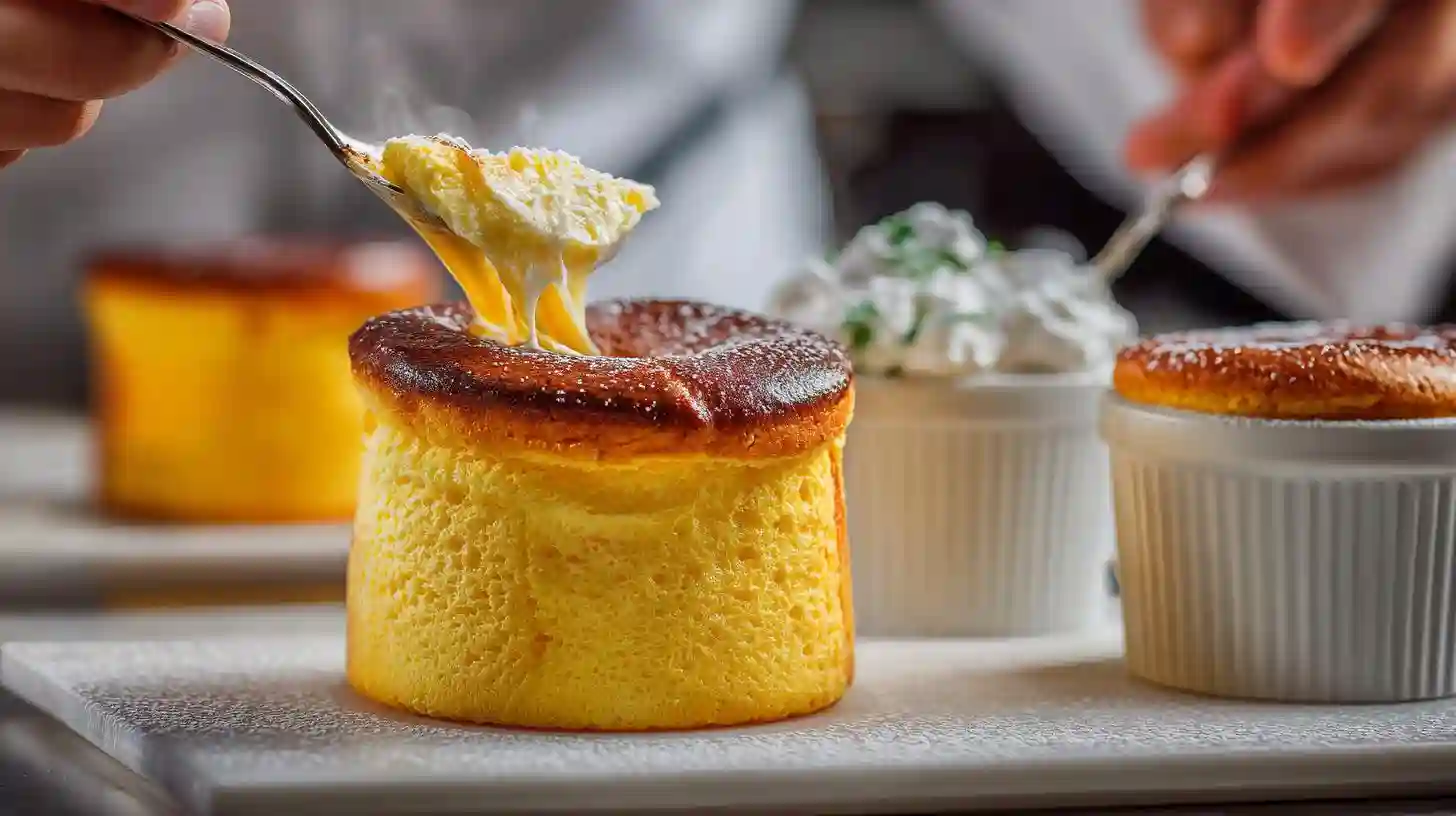
Creating a flawless soufflé is often seen as a culinary rite of passage, a dish that separates amateur cooks from seasoned chefs. The delicate, airy nature of a soufflé can seem intimidating, yet it is a quintessential example of how technique and science in the kitchen can yield a stunning result. Top culinary experts share their wisdom, revealing the secrets behind achieving that perfect rise and texture.
One of the first aspects emphasized by chefs is the importance of the egg. Eggs are the foundational element of any soufflé, serving as the binding agent and providing the necessary lift. A common piece of advice is to use the freshest eggs possible. The age of the egg influences the structure of the soufflé. Fresh eggs have a thicker, firmer white, which can hold air better when whipped. Additionally, the chefs recommend separating the yolks and whites while the eggs are cold, as it is easier to separate them accurately. Once separated, bringing the egg whites to room temperature allows for optimal whipping, ensuring maximum volume.
Whipping egg whites to the right stage is crucial for a successful soufflé. Culinary experts explain that achieving stiff peaks is essential; this stage occurs when the egg whites form glossy peaks that stand upright when the whisk is lifted. However, many chefs caution against over-whipping, as this can lead to a grainy texture and ultimately result in a collapsed soufflé. Achieving the perfect consistency can take practice; finding the sweet spot often means watching closely for the right visual cues rather than relying solely on time.
Another key element is the proper incorporation of the egg whites into the base of the soufflé. Top chefs often stress the importance of folding, a technique that gently incorporates ingredients without deflating the air bubbles created during whipping. The method involves using a rubber spatula to lift and turn the mixture slowly, ensuring that the air remains in the beaten whites. A common mistake is to stir vigorously, which would lead to a loss of the air that gives the soufflé its unique texture.
The flavor base, known as the soufflé mixture, is also vital. Most chefs prefer starting with a roux, a mix of equal parts flour and fat, cooked gently to form a thick paste before adding milk or cream to create a béchamel sauce. This rich mixture provides flavor and structure. Infusing the sauce with ingredients like cheese, herbs, or chocolate transforms the soufflé into a signature dish. Chefs often advise continually tasting the mixture at this stage, adjusting for seasoning and ensuring the flavors are well-balanced.
Oven management can make or break a soufflé. Preheating the oven to the right temperature is crucial, with most chefs advocating for a hot oven as the preferred environment for baking. This high temperature creates steam, helping the soufflé rise quickly. Many experts recommend placing the soufflé dish on a baking tray to ensure even cooking and stability. Some even suggest adding a shallow pan of water to the oven, creating steam which further aids the rise and keeps the soufflé from drying out.
Baking time is another area where precision is vital. While cooking times can vary based on individual ovens and the dimensions of the soufflé dish, chefs suggest watching the soufflé for visual cues. A perfectly baked soufflé usually rises well above the rim of the dish and has a slight jiggle in the center. Chefs recommend not opening the oven door too often during baking, as sudden temperature changes can cause the soufflé to fall. Patience is key, as removing the soufflé too early can halt its development, while leaving it too long may cause a crust that is overly dark or hard.
Finally, serving a soufflé requires just as much care as its preparation. Because a soufflé begins to deflate soon after leaving the oven, chefs stress the importance of serving it immediately. A simple garnish can elevate the presentation, with a light dusting of powdered sugar for sweet soufflés or a sprinkle of fresh herbs for savory varieties. The contrast of the airy interior and the delicate top creates an inviting dish that reflects the skill and precision of its creator.
Those who master the soufflé are rewarded not only with the admiration of their guests but with a profound understanding of the principles of cooking. By harnessing the power of fresh ingredients, adopting the correct techniques, and respecting the science behind baking, anyone can create a dish that is not only visually stunning but also a delicious testament to the art of cooking.