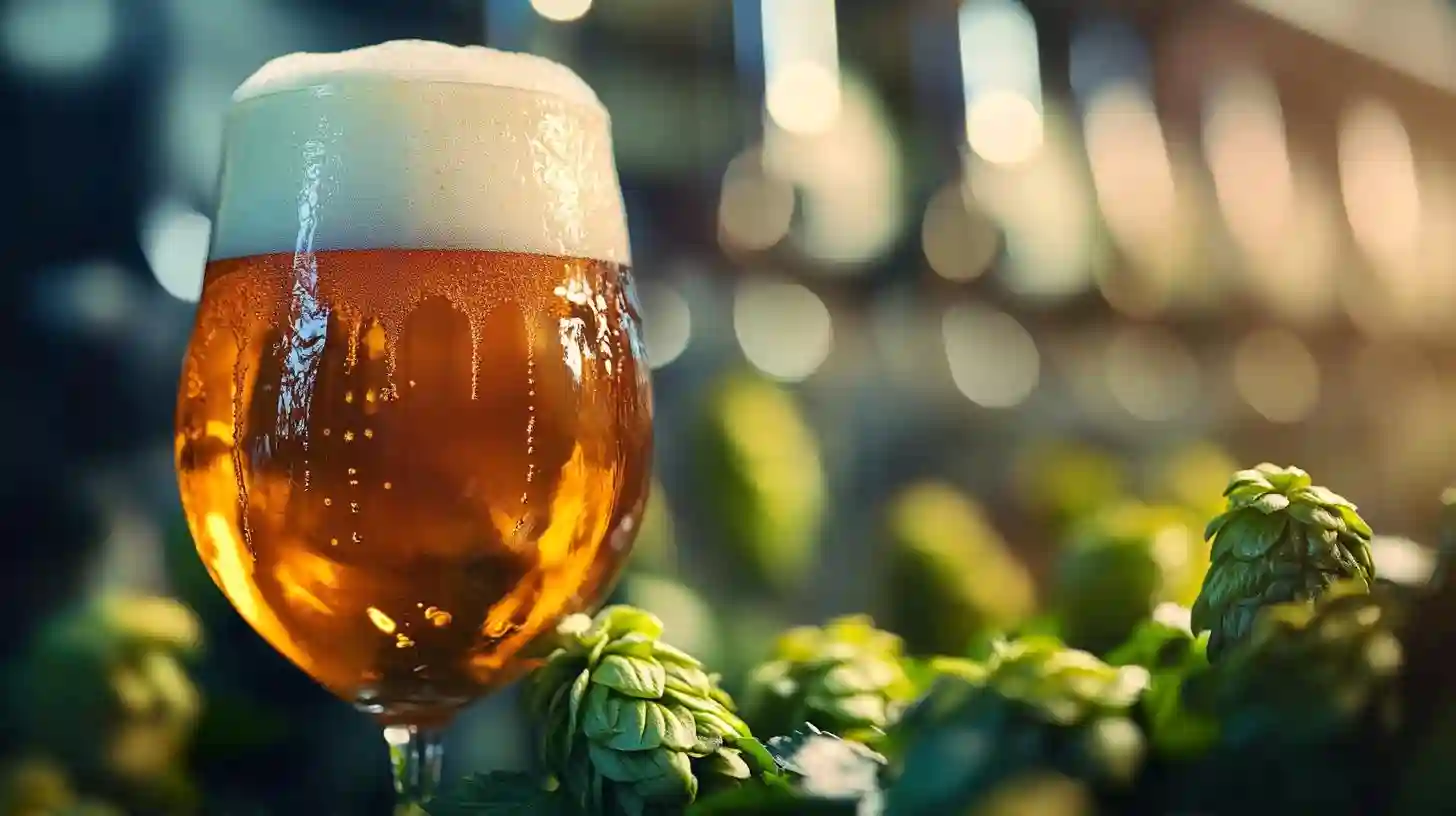
Homebrewing has surged in popularity, enticing beer enthusiasts to explore the intricate process of crafting their own brews right in the comfort of their homes. This journey offers both art and science, rewarding creativity and methodical practices. Aspiring homebrewers can embark on this adventure with the right guidance, understanding the essential components and techniques that ensure a satisfying product.
To start brewing, it is crucial to gather the necessary equipment. A basic homebrewing setup includes a fermentation vessel, commonly a food-grade plastic bucket or glass carboy, where the fermentation process will take place. Additionally, you will need a brewing kettle, which can range from stainless steel to aluminum, to boil your ingredients. Other essential tools include a hydrometer for measuring specific gravity, a thermometer, a stirring spoon, a racking cane for transferring liquid, and bottles or kegs for storage. Sanitation supplies are vital as well; clean equipment is the first step to successful brewing.
Understanding the ingredients is fundamental to mastering homebrewing. The primary ingredients are malted grains, hops, yeast, and water. Malted grains give beer its sugar content, which the yeast will eventually ferment into alcohol. Choosing the right malts can dramatically impact the flavor, color, and body of the beer. Various types of malted grains, such as pale malt, caramel malt, or roasted malt, can be combined to create unique blends. Hops not only impart bitterness to balance the sweetness of the malt but also contribute aromatic qualities that enhance the overall experience of the beer. Different hop varieties possess distinct flavors ranging from floral and citrusy to earthy and herbal.
Yeast plays the crucial role of fermentation. It consumes the sugars released from the malt and converts them into alcohol and carbon dioxide. There are numerous yeast strains available, each imparting its own characteristics to the beer. Selecting the right strain according to the chosen beer style can elevate the final product. Water is often overlooked but is just as important. The mineral composition of water can influence the taste of the beer, so using filtered or spring water is recommended.
Now, let’s explore the brewing process itself, starting with mashing. This stage involves soaking the crushed grains in hot water, allowing enzymes to convert starches to sugars. The temperature and duration of the mash can be tailored to achieve the desired aroma and flavor. After mashing, the liquid, known as wort, is extracted, typically through a process called lautering. The wort is then brought to a boil, at which point hops are added. The boiling stage sterilizes the wort and ensures that the hops release their essential oils and flavors. The boiling time can influence the bitterness level, so paying attention to this timing is essential.
Once the boiling is complete, the wort needs to be cooled quickly to a temperature suitable for yeast addition. It is advisable to use an immersion chiller or a plate chiller for this purpose. Cooling quickly helps prevent unwanted bacteria growth. After cooling, the wort is transferred to the fermentation vessel, and the yeast is pitched, or added, into the cooled wort. The fermentation environment should be controlled for temperature, as different yeast strains work best within specific temperature ranges.
Fermentation is a stage where the magic happens, lasting anywhere from a week to several weeks, depending on the beer style. During this time, the bubbles you see in the airlock indicate that fermentation is active. As fermentation progresses, the flavors begin to develop, and the beer starts to take shape. It is often advisable to take gravity readings during fermentation, which helps track progress and determine when fermentation is complete.
Once fermentation has concluded, it’s time for bottling, which can be an exciting but meticulous process. Before bottling, thorough sanitation of bottles and caps is crucial to avoid spoiling the beer. The beer can either be cool-conditioned in a keg or bottled with a small amount of sugar to encourage carbonation. The bottles should then be stored in a cool, dark place for a couple of weeks to allow carbonation to occur.
After the bottles have had time to carbonate, it’s finally time to enjoy your handcrafted brew. Opening a bottle, pouring it into a glass, and sipping on your unique creation offers unparalleled satisfaction. The process may seem daunting, but the journey from choosing ingredients to sipping on a freshly brewed craft beer is immensely rewarding. As you hone your skills, feel free to experiment with ingredients, styles, and brewing techniques to discover new favorites. Homebrewing not only fosters creativity but also creates opportunities for learning and community through sharing your brews with friends and fellow enthusiasts.