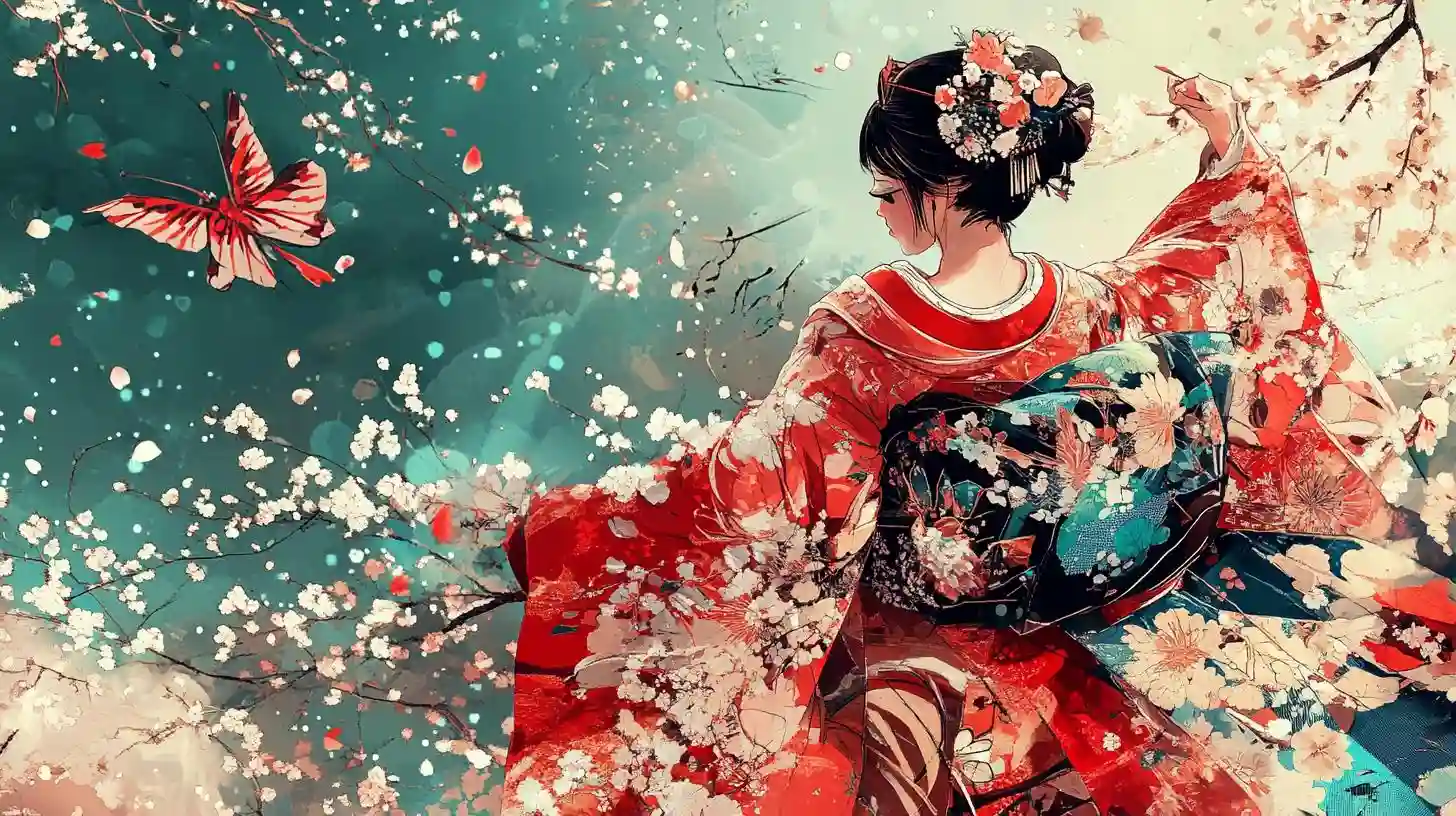
The intricate art of Japanese kimonos has captured the fascination of people around the world for centuries. A garment that embodies elegance and cultural significance, the kimono has evolved over time while maintaining its traditional allure. This garment is not merely clothing; it is a reflection of Japanese heritage, artistry, and philosophy. Central to the allure of kimonos is the stunning visual language expressed through their design, often depicted in captivating illustrations that celebrate their beauty and significance.
Kimono illustrations often serve as a window into the aesthetic principles of Japanese art. One of the most notable aspects is the use of color and pattern, which is rarely arbitrary. The choice of colors and designs in kimonos reflects cultural meanings and seasonal symbolism. For instance, certain patterns like sakura (cherry blossoms) are associated with spring, while motifs like maple leaves evoke the colors of autumn. As textiles are adorned with such nature-inspired designs, they tell stories deeply rooted in Japanese culture, inviting observers to appreciate not just their beauty but also the narratives they convey.
Illustrators often emphasize the elaborate patterns and textures of kimonos, highlighting the intricate craftsmanship involved in their creation. Traditional kimonos can take months, even years, to complete, with artisans employing centuries-old techniques such as yuzen, a method of dyeing fabric that allows for intricate designs. Illustrators play an important role in bringing this craftsmanship to life, portraying the contrasts of rich silk against delicate details that might be lost to the untrained eye. This detailed artistic representation reveals not just the physical beauty of the garments, but also the meticulous process behind their making.
Another captivating aspect of kimono illustrations is how they convey the wearer's identity and social standing. Traditionally, the color, style, and adornments of a kimono, including obi (sashes), could indicate a person's class and sometimes even their marital status. Illustrations often capture this hierarchy by showcasing different styles across various societal groups. For instance, younger women might be depicted in bright, playful colors and patterns, while older generations might be illustrated in more subdued hues. Through art, the interplay of tradition, identity, and social context becomes evident, providing a richer understanding of the cultural significance behind kimonos.
Moreover, the seasonal aspect of kimono fashion is vividly expressed in illustrations. As the seasons change, so do the styles and motifs associated with kimono wear. During warmer months, lighter fabrics and more vivid colors are favored, while colder seasons see heavier fabrics and deeper shades. Illustrators often capture this transition beautifully, showcasing how kimonos adapt to the rhythm of nature and life. By depicting characters adorned in seasonal kimonos, these illustrations celebrate the harmony between humans and the environment, an essential principle deeply embedded in Japanese culture.
Artistic representation of kimonos is not limited to traditional methods; modern interpretations also thrive in contemporary illustrations. Artists today often blend traditional elements with modern aesthetics, infusing kimonos with innovative designs that reflect current trends while respecting their historical roots. This fusion creates a captivating dialogue between past and present, showcasing the ongoing evolution of kimono fashion. Illustrators who embrace this hybrid approach capture a dynamic narrative, expressing not only reverence for tradition but also an acknowledgment of modernity.
The cultural significance of kimonos is further amplified in various forms of media, particularly manga and anime, where characters are often depicted wearing stunning kimonos. These illustrations serve to enchant and engage audiences, leading to a resurgence of interest in traditional attire among younger generations. Through the lens of popular culture, the kimono transforms from a historical garment into an emblem of identity and creativity, bridging generations and inviting new interpretations.
As art forms continue to evolve, the intricate portrayal of kimonos remains a vital part of Japanese heritage. Illustrators wield their brushes and pens to recreate the timeless elegance of these garments, ensuring that the stories woven into their fabrics are not forgotten. Through stunning visuals, the legacy of kimonos lives on, captivating hearts and minds both within Japan and across the globe. The intricate artistry of kimono illustrations connects the rich tapestry of history with the vibrant pulse of contemporary life, inviting all who gaze upon them to discover the beauty and depth that lie within this cherished cultural treasure.