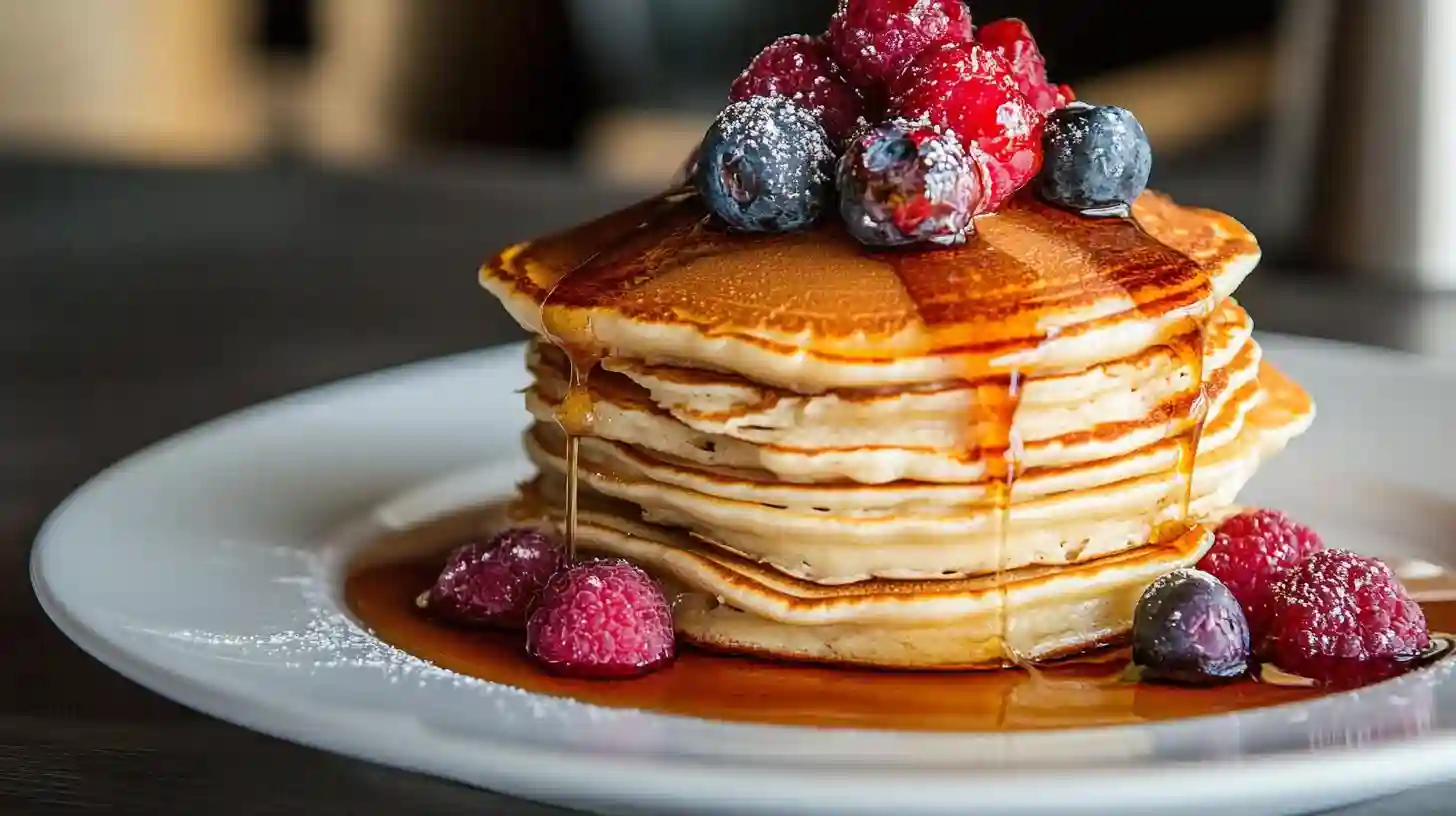
Pancakes are a beloved breakfast staple that holds a special place in many hearts. Their versatile nature allows for countless flavor variations, toppings, and serving styles, making them a favorite for both children and adults alike. However, the quest for perfectly fluffy pancakes can often feel like an elusive dream. Fortunately, mastering this culinary art is within reach. By exploring various techniques and understanding the science behind pancake making, anyone can elevate their pancake game to fluffy heights.
The first step in achieving fluffy pancakes lies in the choice of ingredients, particularly the flour. All-purpose flour is the traditional choice, but experimenting with cake flour can yield surprisingly tender results due to its lower protein content. The protein in flour contributes to gluten formation, which provides structure but can lead to denser pancakes if overmixed. When measuring flour, it’s crucial to avoid packing it down in the measuring cup; instead, spoon the flour into the cup and level it for accuracy. This simple adjustment can significantly affect the texture of the final product.
Next, the leavening agents in the pancake batter play a vital role in achieving that sought-after fluffiness. Most pancake recipes call for baking powder, a double-acting leavening agent that releases carbon dioxide gas when mixed with wet ingredients and again when heated. For those seeking added lift, incorporating baking soda alongside buttermilk can enhance the leavening effect. The acidity of the buttermilk reacts with the baking soda, producing bubbles that contribute to a lighter texture. It’s essential to use fresh baking powder and baking soda, as expired leaveners will not provide the same lift.
Mixing techniques are crucial in preventing dense pancakes. The batter should be combined until just moistened, allowing for some lumps to remain. Overmixing the batter develops gluten, leading to chewiness rather than fluffiness. To combat this, it’s advisable to adopt a gentle folding method, where wet and dry ingredients are combined while being mindful not to overwork the mixture. An option some chefs embrace is to let the batter rest for a few minutes before cooking, allowing time for the flour to hydrate and the leavening agents to activate.
The temperature of the cooking surface is another critical factor in pancake perfection. A well-heated, non-stick skillet or griddle sets the stage for golden, fluffy pancakes. To test if the cooking surface is ready, a few drops of water should dance and evaporate upon contact. Once preheated, reducing the heat to medium can help in cooking the pancakes evenly, preventing burnt exteriors and raw interiors. If a crispy edge is desired, a little butter or oil can be brushed onto the cooking surface before ladling on the batter.
Timing can make or break the fluffiness of pancakes. As pancakes cook, bubbles will form on the surface, signaling that it’s time to flip. The ideal flip occurs when the edges start to look slightly dry and bubbles begin to pop, indicating the pancake has set enough to hold its shape. Flipping too early can lead to collapsing pancakes, while waiting too long can result in an overcooked exterior. Once flipped, pancakes usually require about half the time to cook on the second side compared to the first, turning golden brown as they finish.
Pancakes can be elevated in flavor by incorporating mix-ins such as blueberries, chocolate chips, or even nuts. However, it’s best to add these ingredients after the batter has been mixed, introducing them directly to the pancakes once they are ladled onto the cooking surface. This prevents the possibility of uneven distribution and ensures that each pancake maintains its structure. Additionally, experimenting with flavored extracts, spices, or zests can add a unique twist to the classic recipe, transforming the pancakes into a delightful culinary experience.
Toppings are a crucial final touch that can enhance even the simplest pancake. While maple syrup is a traditional favorite, fresh fruits, whipped cream, or a drizzle of honey can bring renewed excitement. For a more decadent treat, consider a dollop of yogurt or a sprinkle of nuts for texture and flavor contrast. The presentation is as important as the taste, and a neatly stacked pile of pancakes adorned with colorful toppings can elevate the entire meal.
Embracing these techniques and tips opens the door to pancake perfection. With practice, patience, and a willingness to experiment, anyone can create light, fluffy pancakes that are not only visually appealing but also a joy to eat. The joy of flipping a perfectly golden pancake and savoring its airy texture is a rewarding experience that results in a delightful start to any day.