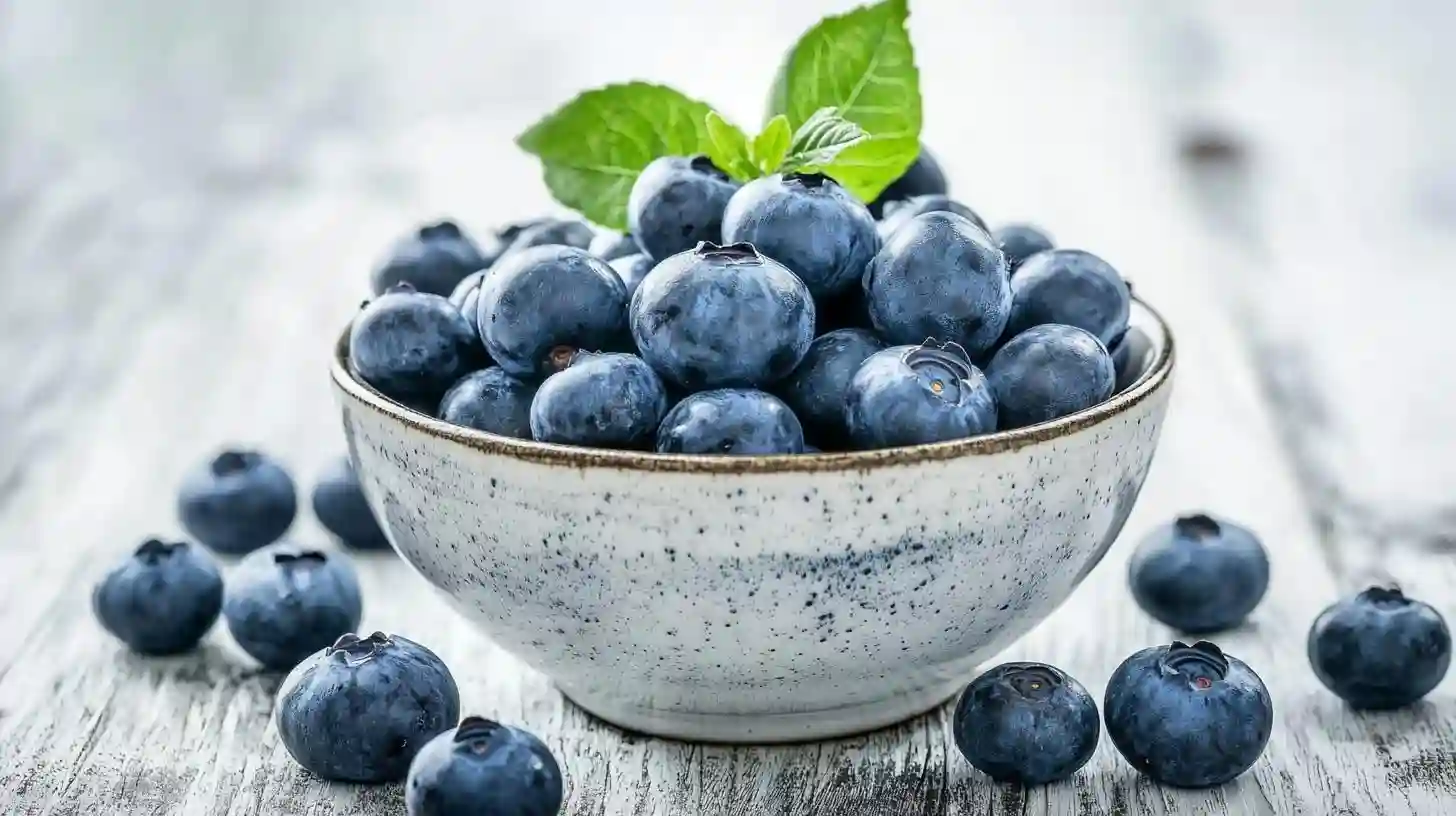
The shelf life of blueberries is influenced by various factors, including ripeness at the time of purchase, storage methods, and overall handling. Blueberries are a favorite among many for their sweet taste and numerous health benefits. However, proper storage is crucial to ensure they remain fresh for as long as possible.
When purchasing blueberries, it is essential to select the best quality fruit. Look for berries that are firm and plump, with a deep blue color and a noticeable bloom, which is a natural protective wax on the surface. Avoid berries that are wrinkled or have any signs of mold, as these indicate that they are past their prime.
After bringing blueberries home, the next step is to understand how to store them correctly. One of the best approaches is to keep them in their original container, as it allows for proper airflow. Packed in ventilated containers, they are less likely to become mushy or moldy. If you notice any spoiled berries, it is best to remove them right away, as one bad berry can cause the others to spoil faster.
Refrigeration is highly recommended for prolonging the life of blueberries. Ideally, they should be stored in the fridge at a temperature ranging from thirty-two to thirty-five degrees Fahrenheit. Keeping them in this cool environment slows down the ripening process and inhibits the growth of mold or bacteria.
If you prefer to wash blueberries before consuming them, it is advisable to refrain from washing them until just before use. Washing exposes the berries to moisture, which can hasten spoilage. Once rinsed, be sure to dry them thoroughly and consume them within a few days.
For those who find that they have purchased more blueberries than they can eat within a short period, freezing is a practical option. When properly frozen, blueberries can retain their flavor and nutritional value for several months. To freeze blueberries effectively, start by rinsing them gently and removing any damaged or soft berries. After washing, spread them out in a single layer on a baking sheet and place them in the freezer. This prevents them from clumping together. Once frozen solid, transfer the blueberries into airtight freezer bags or containers to protect them from freezer burn.
It is important to label the containers with the date of freezing, as this helps keep track of their age. While frozen blueberries can last for many months, using them within six months is advisable to ensure optimal quality.
When ready to use frozen blueberries, avoid thawing them at room temperature, as this can cause them to become mushy. Instead, use them directly from the freezer in cooking or baking. If you want to thaw them for snacking or smoothies, you can do so in the refrigerator, allowing for a more gradual thaw that minimizes textural changes.
Another factor to consider is the ethylene gas emitted by certain fruits, which can impact the freshness of blueberries. Foods like bananas and avocados produce ethylene, which can accelerate the ripening process of nearby fruits. To protect blueberries, store them away from ethylene-producing fruits to extend their shelf life.
In addition to proper storage techniques, it's important to note the signs of spoilage in blueberries. If you notice any unusual odors, an excessively soft texture, or significant changes in color, it is best to discard the spoiled berries.
Understanding the shelf life of blueberries can significantly enhance their enjoyment, ensuring that you always have access to fresh and flavorful fruit. By selecting high-quality berries, storing them properly, and employing techniques like freezing, you can enjoy blueberries at their best, whether in a cereal bowl, smoothie, or as a delicious standalone snack.
Keeping these best practices in mind allows you to harness the full potential of blueberries, both in taste and health benefits. Each berry is rich in antioxidants, vitamins, and fiber, making them a powerhouse of nutrition that deserves a spot in any healthy diet. Taking the time to learn their shelf life and appropriate storage methods means savoring every bite and reaping the rewards these tiny fruits have to offer.