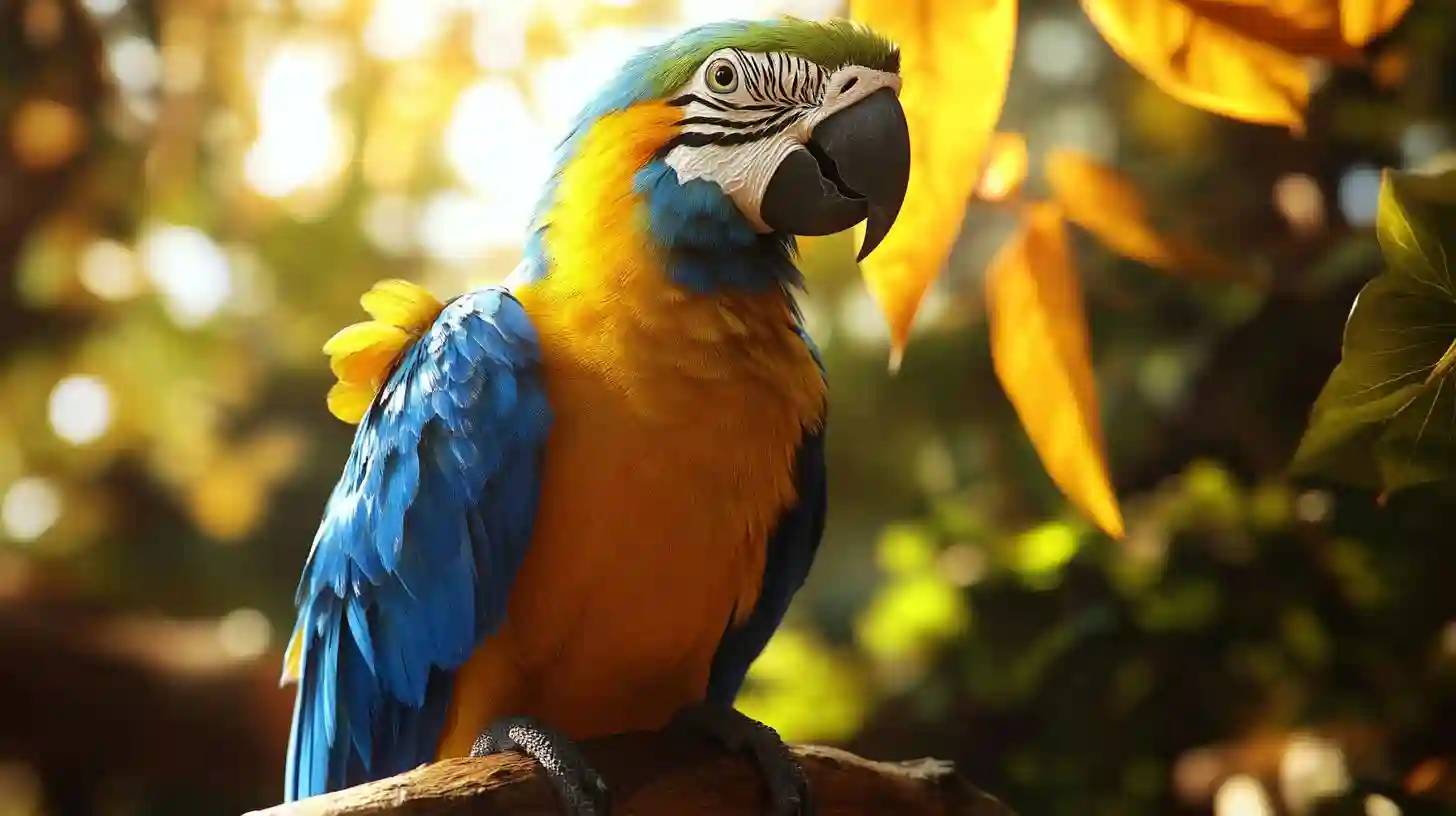
Recent studies have illuminated the intricate hygienic behaviors exhibited by various birds, revealing their remarkable understanding of cleanliness and its vital role in maintaining their health. These avian diligence and practices not only underline their adaptability to environmental challenges but also reflect an evolutionary response that prioritizes survival and well-being.
Birds are often seen engaging in a variety of behaviors that may seem trivial at first glance. For instance, they spend considerable time preening their feathers, a behavior that stretches far beyond mere aesthetics. Preening serves multiple purposes, including the removal of dirt, parasites, and harmful organisms that may threaten their health. By meticulously arranging their feathers and redistributing natural oils produced by their skin, birds effectively enhance their insulation, waterproofing, and overall plumage integrity. This ritual highlights the connection between hygiene and thermal regulation, which is especially crucial during colder months or in harsh climates.
Different species of birds display diverse methods of maintaining their hygiene. For example, many birds take advantage of water sources, such as ponds and streams, to bathe and clean their feathers. This behavior not only helps in removing debris but also facilitates the process of puffing up their feathers to insulate against temperature fluctuations. These water-related practices underscore the importance of the environment in shaping avian hygiene habits. Birds are adept at identifying suitable spots for bathing, further reflecting their acute awareness of their surroundings.
Furthermore, some bird species have adopted unique methods of parasite control that are both innovative and effective. Certain birds, such as magpies, have been observed engaging in an interesting practice known as “anting.” This behavior involves the bird allowing ants to crawl on its feathers, where the ants secrete formic acid, a natural insect repellent. By utilizing this symbiotic relationship, birds not only assist in parasite control but also actively contribute to the health of their plumage, demonstrating an instinctive understanding of ecological interactions.
The role of social learning in the development of hygienic behaviors in birds is another fascinating aspect under research. Young birds often learn from their elders, observing and imitating their practices. This transfer of knowledge ensures that beneficial habits are passed down through generations, which is crucial in adapting to new environmental challenges. Through social interactions, birds exchange information about efficient preening techniques or locations with abundant bathing opportunities. This communal aspect of hygiene suggests a deeper layer of complexity in avian behavior, combining instinctual actions with learned practices.
The implications of these hygienic behaviors extend beyond individual health. Studies have shown that birds with robust hygiene practices often have higher reproductive success rates. Clean feathers, free from parasites and disease, contribute to better mating displays and overall vitality. Furthermore, these practices can have cascading effects on ecosystems. Healthy bird populations can impact insect populations through natural pest control, while their roles as pollinators and seed dispersers also contribute to biodiversity. Thus, understanding the hygienic behaviors of birds provides insights into their broader ecological contributions.
Another area of interest is how stress affects avian hygiene. Birds facing environmental pressures or social hierarchies may neglect their grooming rituals, leading to an increase in parasites and a decline in overall health. Studies indicate that frequent disturbances, whether from predation threats or habitat degradation, can greatly impact birds' ability to maintain proper hygiene. This connection between stress and cleanliness not only illustrates the importance of a stable environment but also reinforces the notion that avian health is finely intertwined with their ecological context.
Research into hygienic behaviors among birds is still evolving, yet it continuously uncovers layers of interconnectedness between animal health, behavioral ecology, and conservation strategies. As scientists delve deeper into avian hygiene, they highlight the importance of preserving natural habitats that support these essential behaviors. By fostering environments where birds can engage in their natural hygienic practices, we can promote healthier wildlife populations while simultaneously protecting the intricate balance of ecosystems. Understanding these behaviors helps cultivate a greater appreciation for the diverse strategies animals employ to thrive, emphasizing the significance of cleanliness in the natural world.
With ongoing studies examining how birds adapt their hygiene practices in response to changing conditions, the exploration of these behaviors offers exciting avenues for both ecological science and avian conservation practices. The lessons gleaned from avian hygiene behaviors may well illuminate broader principles of health and survival applicable to other species, including humans. In the grand scheme of life on Earth, the pursuit of hygiene may serve not just as a survival strategy, but as a testament to the interconnected web of life that binds us all.