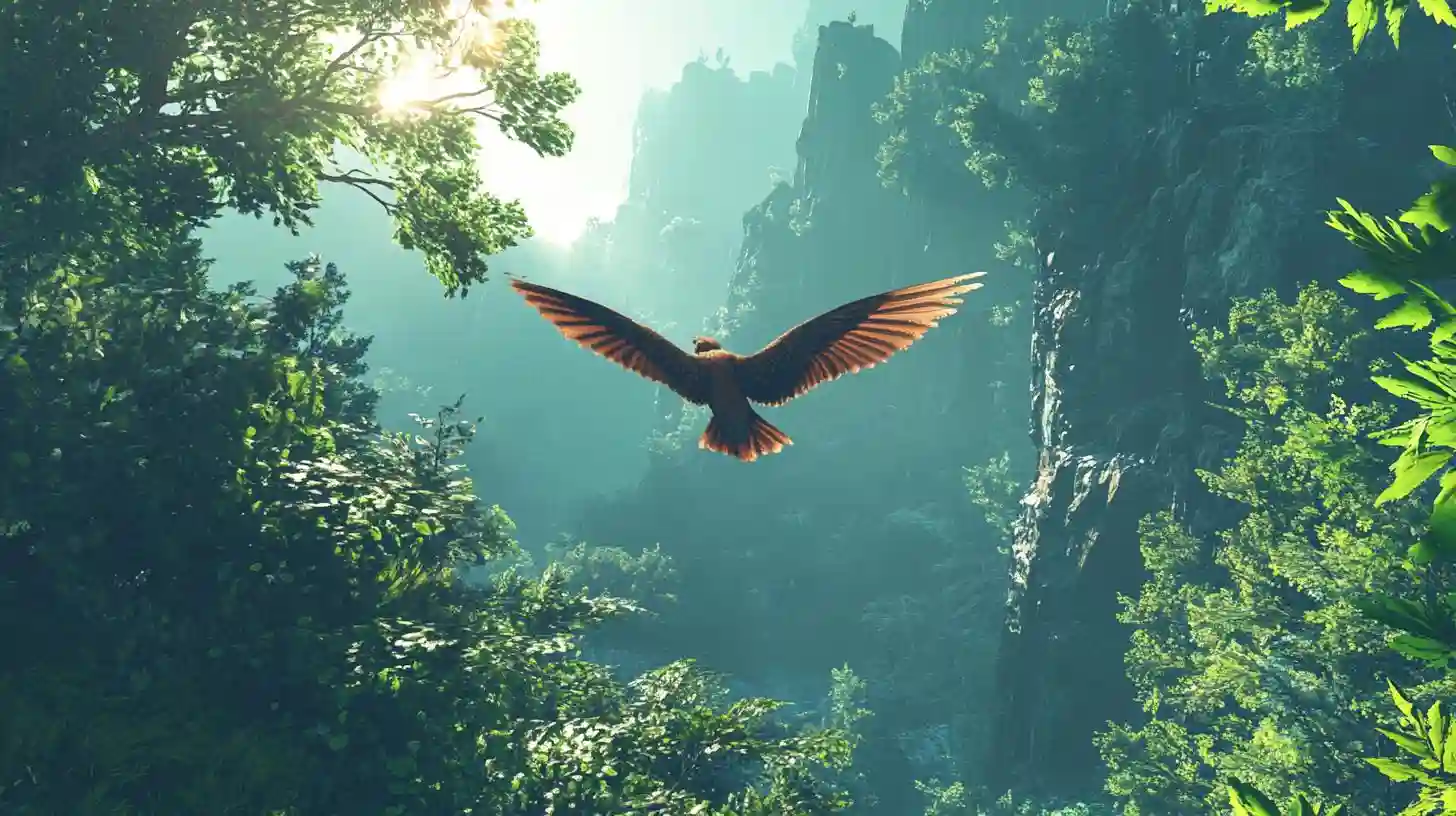
Hummingbirds are often referred to as nature's flying jewels due to their vibrant colors and iridescent feathers. These remarkable creatures embody a unique combination of beauty, agility, and ecological importance. With over three hundred species inhabiting various regions across North and South America, hummingbirds showcase a vast diversity in size, color, and behavior. Their tiny bodies, often measuring no more than a few inches in length, seem almost fragile, yet they exhibit astonishing strength and endurance during flight. The rapid beating of their wings, which can range from fifty to more than seventy times per second, allows them to hover in one spot and even fly backward, an unparalleled ability among birds.
One of the most fascinating aspects of hummingbirds is their remarkable adaptability to different habitats ranging from lush tropics to arid deserts. This adaptability is reflected in their specialized feeding habits. Hummingbirds primarily feed on nectar from flowers, which provides them with the essential energy needed for their high metabolism. Their long, extendable tongues allow them to access nectar deep within flowers, ensuring they can reach sources of food that other birds cannot. This feeding process often results in a simultaneous pollination of flowers, highlighting the hummingbirds' crucial role in maintaining the health of ecosystems. As they navigate through a myriad of blossoms in search of food, these tiny pollinators transfer pollen from one flower to another, facilitating reproduction and encouraging biodiversity.
Due to their high metabolic rate, hummingbirds require a consistent supply of food, leading them to visit hundreds of flowers each day. This relentless search for sustenance also indirectly encourages a rich diversity of flora, as plants that produce nectar are often favored by these birds. As they facilitate pollination, hummingbirds contribute to the proliferation of various plant species, which, in turn, supports a multitude of other organisms within their ecosystems. The interdependence between hummingbirds and flowering plants is a perfect example of how species in an ecosystem rely on each other for survival and prosperity.
The dazzling colors of hummingbirds can often be attributed to structural coloration, a phenomenon where microscopic structures in feathers refract light and create vivid hues. This display serves not only to dazzle human observers but plays an essential role in mating and territorial behaviors among hummingbirds. Males often engage in elaborate aerial displays and aggressive interactions to attract females and defend their feeding territories. Their vibrant plumage and acrobatic displays are vital for mating rituals, underscoring the significance of visual cues in their reproductive strategies.
Beyond their vivid beauty and pollination capabilities, hummingbirds have garnered considerable attention for their ecological contributions, serving as indicators of environmental health. Their sensitivity to changes in habitat conditions makes them valuable for scientists studying the impacts of climate change, habitat loss, and environmental degradation. A decline in hummingbird populations can signal shifts in ecosystem balance, potentially indicating broader threats to biodiversity.
In addition to their ecological significance, hummingbirds have culturally inspired numerous myths and legends across different civilizations. Indigenous peoples in the Americas have long regarded these birds as symbols of love, joy, and vitality. Their presence often invokes a sense of wonder and appreciation for nature, making them cherished subjects in art, folklore, and literature.
Observing hummingbirds in their natural habitats can be a mesmerizing experience. Their ability to flit from flower to flower at astonishing speeds, their iridescent feathers catching the light, creates a spectacle that captivates the human spirit. Many people engage in backyard birdwatching by providing feeders filled with sugar water, which encourages hummingbirds to visit and allows people to connect with nature in a personal way. This practice not only boosts local hummingbird populations but also raises awareness about the significance of conservation efforts to protect their habitats.
As human activity continues to threaten the natural world, it becomes increasingly vital to recognize and preserve the delicate balance within ecosystems. Efforts to conserve habitats and protect hummingbird populations contribute to broader goals of biodiversity and ecological well-being. Their role in pollination and as indicators of environmental health emphasizes the importance of preserving the beautiful complexities of the natural world that includes these remarkable flying jewels. Maintaining the health of ecosystems ultimately enriches human life and underscores the interconnectedness of all living beings on this planet. Finding ways to coexist with such extraordinary creatures can lead to a deeper appreciation for nature and a stronger commitment to its protection. Such commitment will ensure that future generations will also be able to witness the spectacle of hummingbirds as they dart through their colorful world. These birds serve as a vital thread in the intricate tapestry of life, reminding us of the beauty and importance of preserving the environment that sustains us all.