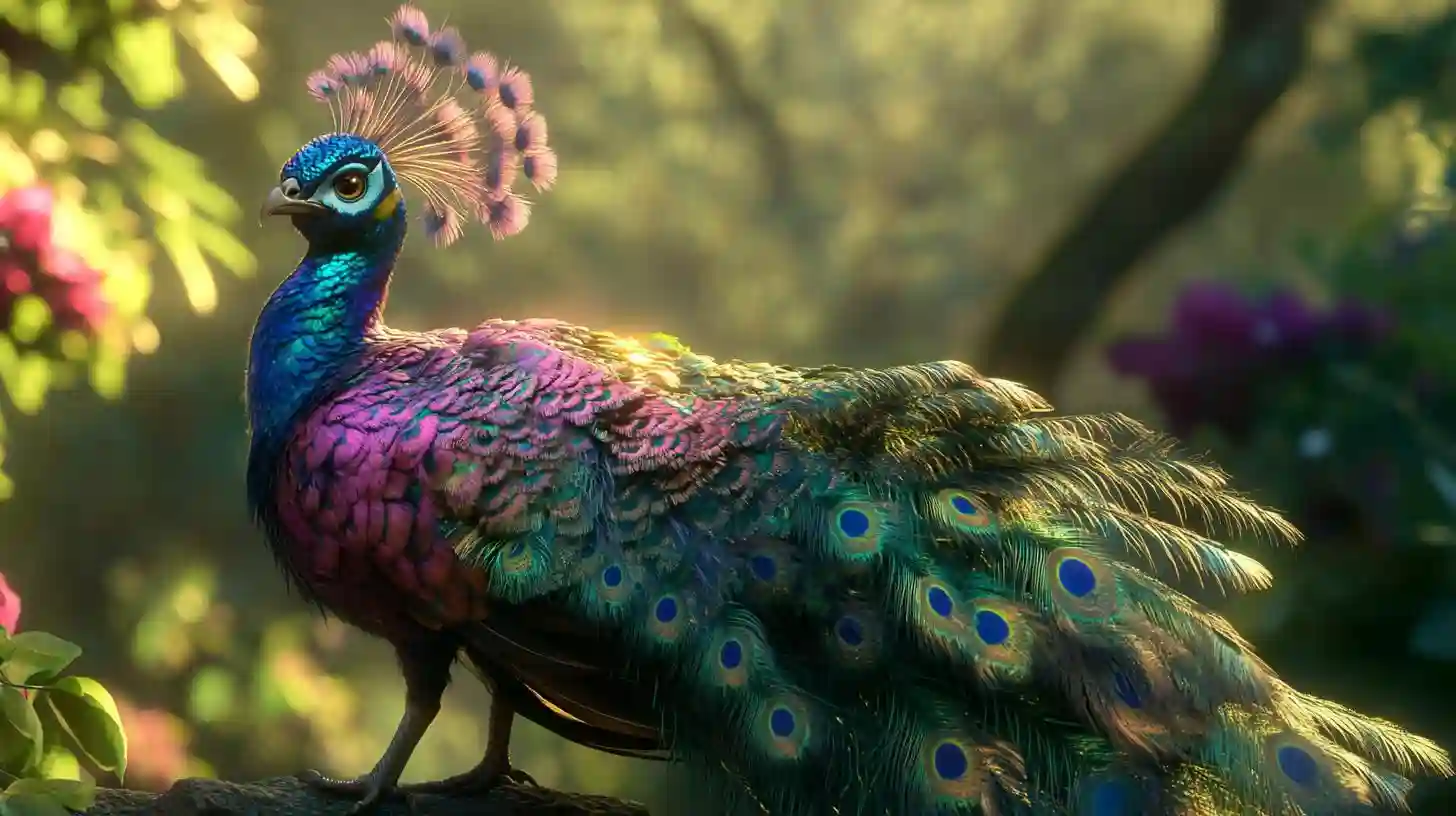
Peafowls, often known for their vibrant plumage and captivating displays, are a remarkable species that capture the imagination of anyone fortunate enough to encounter them in their natural habitat. Their allure is not solely due to their striking appearance, but also their intriguing behaviors and social interactions. Native to the Indian subcontinent and parts of Asia, these birds have become synonymous with beauty and grace, and their presence can transform any landscape into a living work of art.
The male peafowl, known as a peacock, is particularly famous for its extravagant tail, or train, adorned with a myriad of iridescent feathers. During breeding season, peacocks perform elaborate courtship displays that exemplify their majestic beauty. The fan-like arrangement of their feathers, which showcases stunning eye-like patterns, serves not just as a testament to their physical health, but also as a strategic tool in attracting peahens. The larger and more colorful the train, the more likely the male is to attract a mate. This display often involves intricate movements, where the peacock shakes and trembles its feathers in rhythm, creating a mesmerizing spectacle. As he struts and turns, the sunlight catches the iridescent hues, creating a kaleidoscopic effect that is truly unforgettable.
The social dynamics among peafowls add another layer of fascination to their behavior. While they are generally known to be solitary during the non-breeding season, peafowls can be seen forming loose flocks, particularly in areas rich in food resources. These groups may consist of a few females, often accompanied by one or two males, fostering a unique social structure that balances competition and cooperation. Despite the competition for mates, there remains a degree of camaraderie among them, as they can be observed foraging together or engaging in mutual preening, reinforcing social bonds. This behavior is particularly crucial in regions where survival largely depends on effective teamwork to evade predators and locate food.
Peafowl are not just admired for their beauty; they are also an important part of the ecosystem. As omnivores, their diet consists of a variety of foods, including seeds, fruits, insects, and small reptiles. Their foraging habits play a significant role in seed dispersal, helping to maintain the ecological balance. In this way, peafowls contribute not only to the vibrancy of their own species but also to the health of their surrounding environment. Their adaptation to various habitats, from dense forests to open grasslands, showcases their resilience and ecological versatility, demonstrating their role as both predators and prey within their ecosystem.
Aside from their striking physical characteristics and ecological significance, the cultural impact of peafowls spans across numerous societies. They have long been symbols of beauty, pride, and grace in various cultures around the world. In Hindu mythology, the peacock is associated with the goddess Saraswati, the embodiment of wisdom and learning. Their depiction in art, literature, and folklore underscores their status as graceful creatures that inspire creativity and admiration. They also embody concepts of renewal and rebirth, as their molting cycle reflects nature's transformative processes.
As peafowls glide gracefully through their native habitats, they remain emblematic of the beauty of wildlife in its most splendid form. Their vocalizations, which range from distinct calls to melodious sounds, further enrich the symphony of nature, marking their presence in the landscape. The chorus of peafowls communicates not only their moods but also alerts others to potential threats, showcasing their intelligence and adaptability.
The experience of observing peafowls in the wild is akin to witnessing a living tapestry of colors and behaviors. From the rattling rustle of feathers during mating rituals to the soft, fluttering flight as they take off in search of food, each interaction with these birds adds to the richness of nature's narrative. Their mesmerizing presence serves as a reminder of the beauty that thrives in the natural world and the intricacies of life that exist beyond human understanding.
The tenacity of peafowls as they navigate their environment, facing challenges from both nature and habitat encroachment, emphasizes the importance of conservation efforts. Protecting their habitats not only safeguards these magnificent birds but also preserves the intricate web of life that surrounds them. Witnessing their beauty in the wild is a privilege that many hold dear, evoking a sense of wonder and encouraging a deeper appreciation for the natural world. As peafowls continue to roam the landscapes, captivating all who encounter them, they symbolize hope, beauty, and the ongoing dance of life that unfolds across our planet.