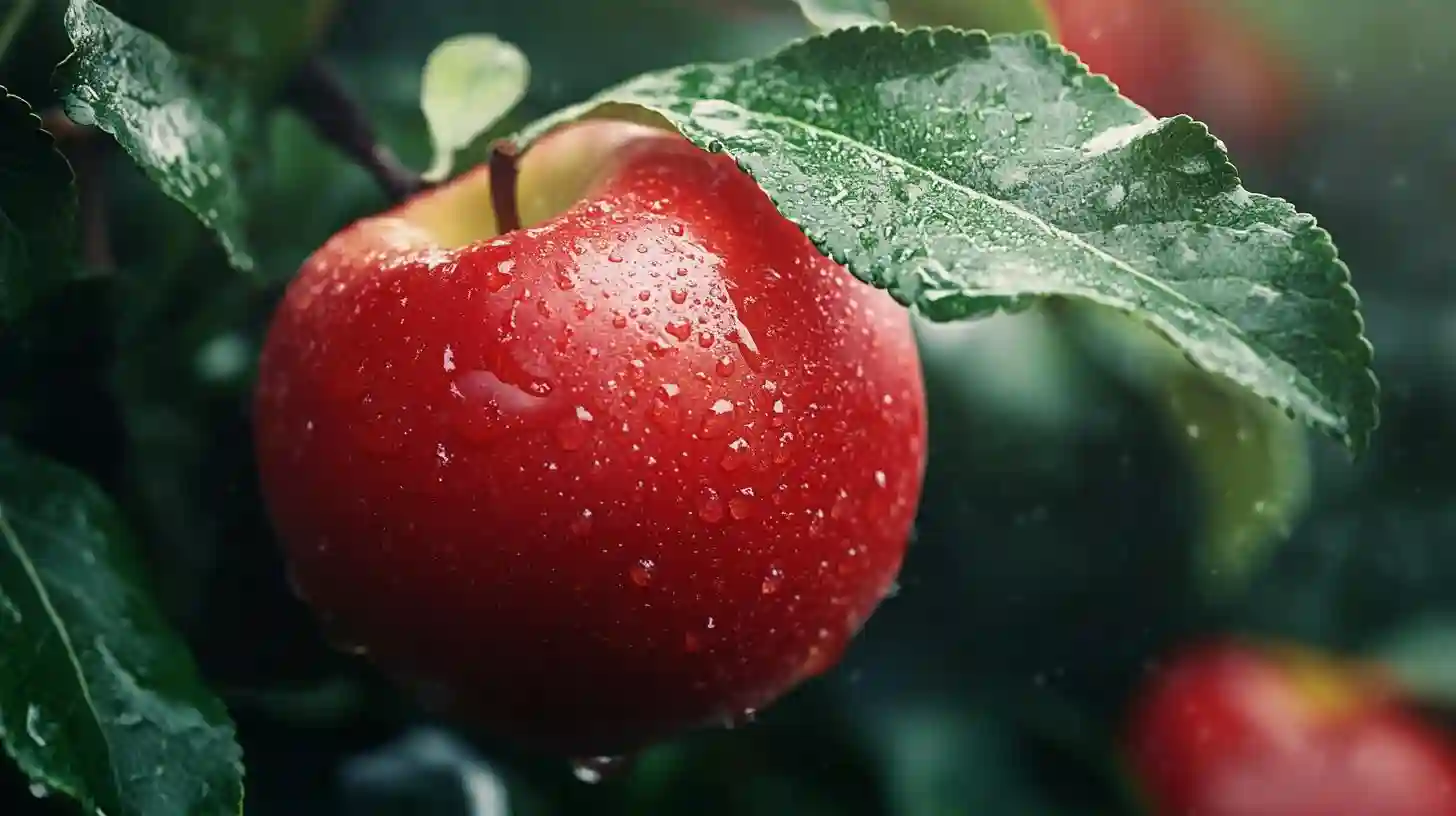
Preserving apples and maintaining their freshness is a task that blends science with traditional techniques. Apples are not just popular for their flavor and versatility, but also for their nutritional value. The challenge lies not only in keeping them fresh but also in retaining their taste, texture, and nutritional components over time. Various methods have been developed to tackle this issue, rooted in understanding the biology of the fruit and the effects of environmental conditions.
One of the fundamental concepts in fruit preservation involves understanding the role of respiration. Fruits, including apples, continue to breathe after harvest, a process that influences their shelf life. During respiration, fruits consume oxygen and generate carbon dioxide, leading to deterioration if not managed properly. Apples, known for their relatively low respiration rates, can stay fresh for longer periods when stored correctly. The ideal conditions for storage include a cool temperature and controlled humidity. These conditions slow down the rate of respiration, helping preserve the quality of the apples.
Ethylene gas is another key player in apple preservation. It is a natural plant hormone produced by fruits as they ripen. While ethylene is essential for ripening, excessive exposure can lead to over-ripening and spoilage. This phenomenon explains why apples should be stored away from other fruits that produce high levels of ethylene. To mitigate this, some preservation techniques involve using ethylene-absorbing materials in storage environments. These materials capture ethylene gas, reducing its concentration and prolonging the freshness of apples.
Using different packaging techniques enhances protection against spoilage. Controlled atmosphere packaging (CAP) is one innovative method employed in commercial apple storage. This technique adjusts the levels of oxygen and carbon dioxide around the fruit, creating an optimal atmosphere for the apples. By reducing oxygen levels and enhancing carbon dioxide concentration, the respiration rate slows down, effectively extending the shelf life of apples. In addition to commercial practices, home preservation can benefit from similar principles. Using perforated plastic bags can allow for gas exchange while providing some protection against moisture loss.
The temperature at which apples are stored is crucial. Cooler temperatures can significantly inhibit the ripening process. Refrigeration is a common method used to store apples, not only extending their life but also preventing spoilage. While refrigerators are effective, maintaining the right set of temperatures is key. Apples can freeze if exposed to extremely low temperatures. Therefore, it is essential to store apples in a designated crisper drawer or similar compartment that allows just the right amount of cold air circulation.
Another innovative approach to apple preservation lies in the use of natural coatings. These edible barriers are applied to the surface of apples to help reduce moisture loss, provide a protective layer against pathogens, and even slow down respiration. Natural coatings can be derived from various sources, including beeswax or plant-based oils. By applying these coatings, the shelf life of apples can be extended without the need for synthetic preservatives.
Dehydration serves as an alternative method for preserving apples while concentrating their flavors. By removing the moisture content from the fruit through drying, the growth of microorganisms is inhibited, and the shelf life of the product is significantly increased. Dehydrated apples can be enjoyed as a healthy snack and can also be rehydrated for various culinary uses. The key to successful dehydration lies in maintaining the right temperature and airflow during the drying process to avoid any deterioration in quality.
Fermentation is yet another avenue explored in apple preservation, where natural sugars are converted into acids, creating an acidic environment that helps resist spoilage. This technique can be seen in the production of apple cider and vinegar, two popular products that showcase the versatility of apples. Fermented products not only boast a unique taste profile but also introduce beneficial probiotics.
Blanching, a brief cooking process, is also utilized before freezing apples. This method involves immersing apples in boiling water for a short period, followed by rapid cooling in icy water. Blanching helps preserve color, texture, and nutrients while also deactivating enzymes that can cause loss of quality during storage. Once blanched, apples can be frozen and stored for later use, allowing for enjoyment of the harvest well into the off-season.
The journey of preserving apples reveals the intricate balance of science and tradition at play. By understanding the biological processes involved in fruit storage and employing various techniques that range from environmental management to innovative coatings, one can prolong the life of this beloved fruit. Whether utilizing refrigeration, controlled atmosphere packaging, or even fermentation, the goal remains consistent: to keep apples fresh, delicious, and available for enjoyment throughout the year.